abi sri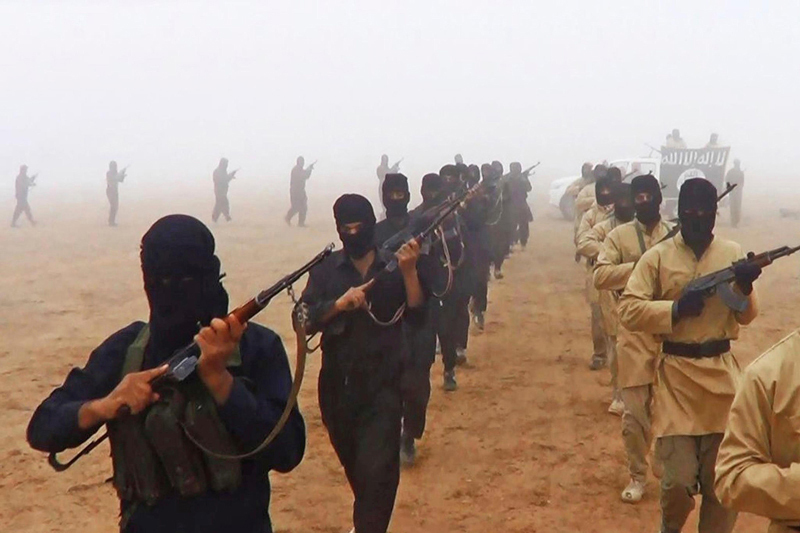
The United Nations established a mission in 2017 to assist Iraq in investigating alleged crimes committed by the Islamic State.
The United Nations established a mission in 2017 to assist Iraq in investigating alleged crimes committed by the Islamic State. This mission, known as UNITAD, was tasked with uncovering evidence of genocide, war crimes, and crimes against humanity perpetrated by the extremist group during its rampage across Syria and Iraq. However, UNITAD is now facing a premature closure before completing its investigations due to a deteriorating relationship with the Iraqi government.
Despite nearly a decade passing since the Islamic State’s reign of terror, many of its victims still live displaced in camps, longing for justice. Christian Ritscher, head of UNITAD, emphasized that the mission’s work is far from complete. With an end-date of September 2024 looming, Ritscher expressed concerns about the inability to finalize all investigative lines and projects, including the creation of a central archive for millions of pieces of evidence.
Challenges and Criticisms
The decision to end the mission prematurely has sparked criticism from international backers and donors who expected UNITAD’s work to continue for several more years. Critics argue that halting the mission will hinder efforts to hold more Islamic State members accountable, especially given UNITAD’s contributions to convictions in other countries. Additionally, there are concerns about Iraq’s commitment to holding these individuals accountable domestically, as the majority of convictions in Iraq are for simple membership of a terrorist organization rather than specific crimes such as sexual abuse or slavery.
One of the main challenges faced by UNITAD was the lack of legislation in Iraq to prosecute international crimes. Despite its efforts, Iraq had not passed necessary laws, leaving UNITAD in a waiting position. Moreover, UNITAD was reluctant to share evidence with Iraqi authorities due to Iraq’s use of the death penalty, which contradicts UN policy. This hesitation further strained the relationship between UNITAD and Iraqi authorities.
Strained Relationship and Leadership Issues
The mismatch between UNITAD’s goals and Iraq’s expectations, coupled with a perceived lack of political engagement with Iraqi authorities, exacerbated tensions between the two parties. Some critics attribute this strain to leadership shortcomings within UNITAD, particularly under the tenure of Christian Ritscher, a seasoned German prosecutor. There were concerns that UNITAD did not properly invest in the politics of dealing with Iraqi authorities, harming the relationship.
UNITAD’s mandate was perceived by some as overly ambitious, especially considering the complexities of Iraq’s political landscape. Additionally, the issue of the death penalty emerged as a major point of contention, with UNITAD hesitant to share evidence due to concerns about its potential use in trials resulting in death sentences.
Uncertainty and Future Prospects
For many victims, particularly members of Iraq’s Yazidi community, UNITAD’s closure is a devastating blow. They viewed the mission as a symbol of international support and hoped for justice for the atrocities they endured at the hands of the Islamic State. However, concerns remain about the fate of the evidence gathered by UNITAD and its potential misuse by Iraq.
As negotiations between Iraq and the international community continue, the future of accountability efforts in Iraq remains uncertain. There are fears that without proper safeguards, the evidence gathered by UNITAD could be used in trials lacking due process, resulting in unjust outcomes. However, there is also recognition of the importance of holding Islamic State members accountable for their crimes, even as Iraq grapples with political and judicial challenges.