admin
admin 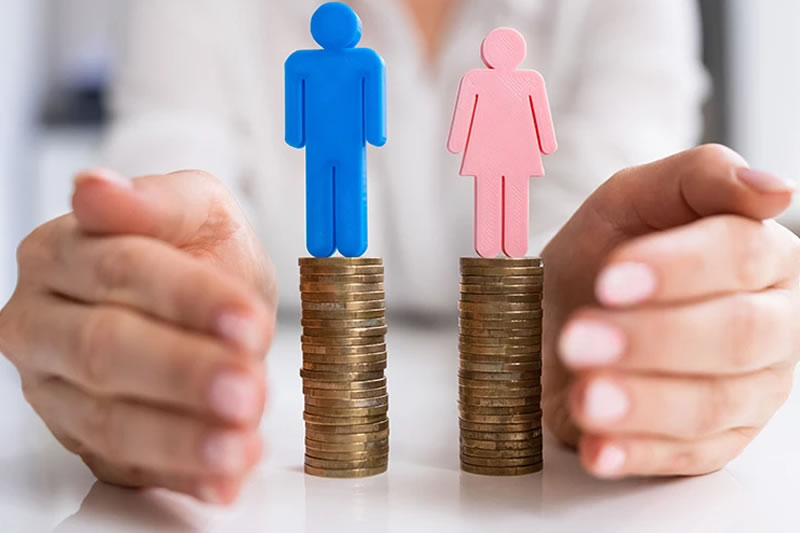
The Gender Pay Gap: An Analysis of Why It Continues to Persist and Suggestions for Addressing It
On average, women worldwide earn roughly about 20% less than their male counterparts for work of equal value. Though action has been taken to address the widening gender gap, very little has moved in the direction of laying to rest the gap. It is that deep-seated inequality in society and curtailed access to opportunities, coupled with choice power structures, which tend to favor men.
Even though many countries have passed laws standing firmly on equal pay, the application of these laws in actual practice seems to be more of a nightmare than a panacea. Should you ask, “How are they rendered so tough?” women usually find their way locked up or stuck into lower paying jobs along with packed discrimination in promotion and the proverbial ‘double shift” at home.
The Bigger Picture: Gender Equality and Economic Growth
The Sustainable Development Goals (SDGs) set forth by the United Nations echo affirmation to prioritize gender equality for the interplay between good jobs and fair wages. Equal pay is not just a question of fairness. It is, indeed, an issue in connection with the growth of economies surrounding families, communities, and national growth.
What Causes the Gender Pay Gap?
- More women in low-paid jobs: Most women, especially migrant laborers, are found to work in informal jobs where they lack job security, benefits, and fair compensation.
- Unpaid work: Women perform more hours of unpaid work at home than men do, about three times more, in the role of homemakers in child-raising, cooking, and cleaning. Such burdens essentially impede them from rising through the ladder in their careers.
- Motherhood Penalty: Children not only cost colleges higher premiums on tuition, but mothers are also more likely to receive discriminated treatment in hiring and promotions.
- Gender stereotypes: Thus, their childhood and gender socialization often lead women to be nudged into what are sometimes called “soft-skill” roles, such as teaching and caregiving, which themselves are often disrespected and undervalued.
Workplace discrimination: Many employers prefer selecting men for higher-paying jobs and leadership positions, thus keeping women behind.
The toll of unequal pay
The gender pay gap affects not only women but also entire families and societies in general. The COVID-19 pandemic exposed women to the brunt of poverty in times of economic crisis. If we do not act now, millions of women and girls are likely to be living on pennies—less than $2.15 a day by 2030.
The Way Forward
- Stronger Laws and Policies: Governments will need to enforce existing equal pay laws and ensure that companies comply.
- Recognizing Unpaid Work: Societies need to support shared responsibilities in the home and offer better childcare and parental leave provisions.
- Fair Wage for Women’s Jobs: Education, healthcare, and social work, with the vast majority of workers being women, should get their fair wage.
- Women in Leadership: Women must have equal chances of reaching senior positions of influence and decision-making.
- Combating Discrimination: Enterprises must ensure that their hiring, promotion, and pay policies are free from any discriminatory barriers.
Equal Pay Day
International Equal Pay Day is observed on September 18. It represents the ongoing battle for equal pay for work of equal value and fair wages. This day serves, amongst other things, to reiterate the United Nations’ commitment to human rights and the elimination of all discriminations, especially against women and girls. Certainly, equal pay for equal work is a necessary condition for a fair and equitable society.
EPIC: An International Effort
The Equal Pay International Coalition collaborates closely to close the international gender pay gap. EPIC envisions a future where the assurance for equal pay across all sectors acquires international recognition through globally concerted efforts from the UN, ILO, and OECD.
Action toward Equal Pay
At least some countries have taken steps in the right direction. In 2020, New Zealand passed legislation ensuring equal pay for work of equal value in varying occupations. However, globally, the progress is still slow. Therefore, it will still take about 300 years if things continue as they are.