WR News Writer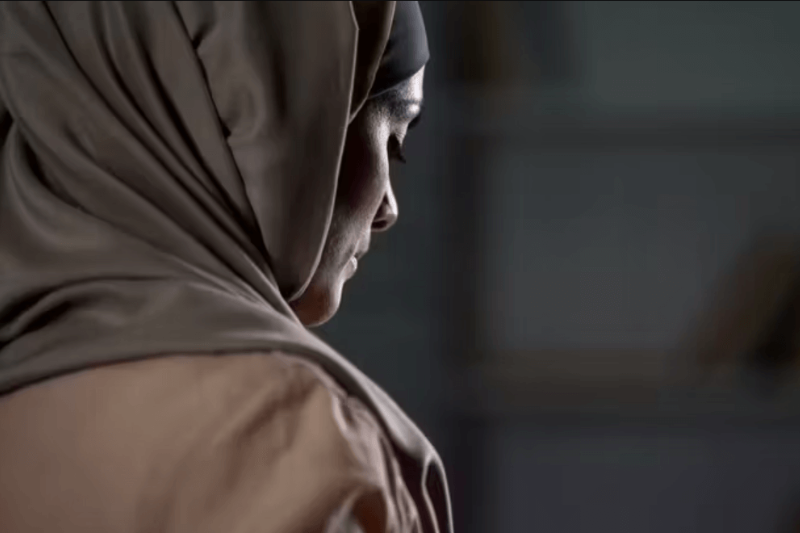
Tajikistan Parliament Introduces Hijab Ban in Controversial Move
In a historic and controversial decision, Tajikistan’s upper parliamentary house, the Majlisi Milli, recently approved a law banning the hijab, a head covering worn by women. This ban is part of a wider effort by the government to promote Tajik national identity and stifle what it describes as “superstition and extremism.” This new law outlaws the use of “foreign clothing,” explicitly including the hijab and encourages citizens to embrace traditional Tajik attire.
Insight into the Amended Rule
The law comes with a severe sanction structure. Common citizens violating the ban fines up to 7,920 Tajikistani somoni (approximately €700), while government officials and religious figures face exemplary punishments of upto 57,600 somoni (about €5,000). This measure is just one of 35 religion- related acts introduced by the government this year, affecting various religious customs and practices. For example, the centuries- old “iydgardak” tradition, where children collect pocket money during Eid holidays, is also affected by these new regulations.
Why Did Tajikistan Ban Hijab
The decision to ban the hijab is surprising given Tajikistan’s demographic makeup, with 96% of its population identifying as Muslim according to the 2020 census . However, it aligns with the government’s ongoing efforts since 1997 to regulate religious expressions and prevent extremism. President Emomali Rahmon, in power since 1994, has continuously moved to limit religious influences interpreted as extremist, unifying secular control.
Tajikistan’s History of Regulating Religious Attire
Related Posts


Tajikistan’s regulation of religious attire is not new. In 2009, the government banned the hijab in public institutions, which includes government buildings and universities. Further restrictions followed, such as the 2011 Law on Parental Responsibility , which docks parents for sending their children abroad for religious education and bans minors from places of worship without consent. Reports indicate that men with bushy beards, seen as potential signs of extremism, have been forcibly shaved by law enforcement.
Tajikistan Hijab Ban Lures Attention and Criticism
This ban has attracted attention and criticism both domestically and internationally. The US Commission on International Religious Freedom (USCIRF) has mandated Tajikistan a “country of special concern” in its 2023 report. President Rahmon, underscoring the urgency to protect national cultural values and prevent extremism, has advised citizens to adhere to traditional cultural practices and embrace national attire.
Other Muslim Countries Practicing Hijab Ban
Tajikistan is not the only country regulating religious attire. Several other Muslim- majority countries have similar constraints. Tunisia, Kosovo, Azerbaijan, Kazakhstan and Kyrgyzstan have laws banning the burqa or hijab in public schools, universities and government buildings. Countries like France, Austria, Germany, Belgium, Norway and Bulgaria in Europe have enacted laws banning face covering garments in certain public settings.