khushboo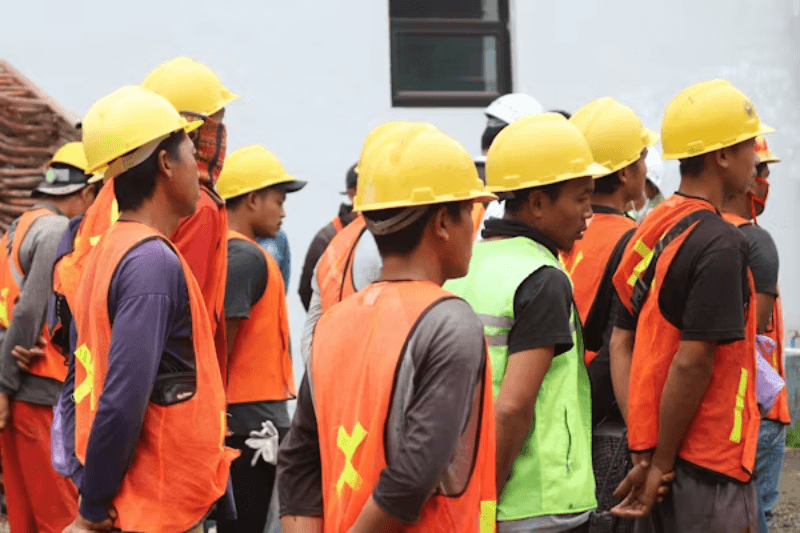
(C): Unsplash
Singapore has come up with significant changes to housing in an effort to bring better living standards to foreign workers in industrial locations like Tuas. These enhancements are supposed to make them stronger in terms of health protection, expand personal space, and enhance hygiene facilities, as lessons learned during the COVID-19 outbreak. Under the Singapore dormitory rule changes, authorities are gradually upgrading existing housing facilities through new policies and financial support programs.
New guidelines concentrate on safer living conditions, better ventilation, and less crowding of the rooms. For migrant workers in Tuas, the changes could mean better accommodation, more privacy, and stronger health safeguards. These measures are also included in the long-term plan of Singapore to establish a more robust and accommodating system.
Singapore Dormitory Rule Changes and New Housing Standards
The Singapore dormitory rule changes introduce stricter accommodation standards for worker housing across the country. The Dormitory Transition Scheme (DTS) by the government will see about 900 dormitories being upgraded to better standards by 2030.
The new regulations restrict the population size of the room (occupancy) to 12 persons, a minimum of 3.6 square metres of living space per person, and the provision of amenities like en-suite toilets and isolation rooms to enhance the safety of the population.
The purpose of such upgrades is to decrease congestion and enhance infection control practices in the shared housing conditions. Through these improvements, Singapore will be in a position to offer better living conditions to thousands of workers working in the construction and manufacturing industries.
Tuas Migrant Worker Housing Improvements
Industrial zones like Tuas host many large dormitories for foreign laborers. Under the new policies, operators must gradually upgrade their facilities to meet the revised standards and apply for government grants to support renovation costs.
The government is also investing over S$100 million to help improve housing conditions for approximately 200,000 migrant workers through retrofitting and infrastructure upgrades.
These improvements aim to enhance daily life for migrant workers in Tuas, offering better sanitation, safer accommodation layouts, and improved health monitoring systems in dormitories.
Official Social Media Post
FAQs
1. What are the Singapore dormitory rule changes in 2026?
The reforms introduce stricter housing standards for migrant worker dormitories. They include occupancy limits, larger personal space, and improved sanitation facilities.
2. Why were these dormitory reforms introduced?
The government introduced the changes after COVID-19 exposed overcrowding risks in worker dormitories. The reforms aim to strengthen public health protection.
3. How will the changes affect migrant workers in Tuas?
Workers living in Tuas dormitories may experience improved living conditions, including more space per resident and better hygiene facilities.
4. What is the Dormitory Transition Scheme (DTS)?
The DTS is a government program supporting dormitory operators in upgrading facilities to meet new accommodation standards by 2030.
5. Will existing dormitories need to upgrade immediately?
No. Dormitory operators have several years to complete upgrades, with full compliance expected in phases leading up to 2030 and later.