khushboo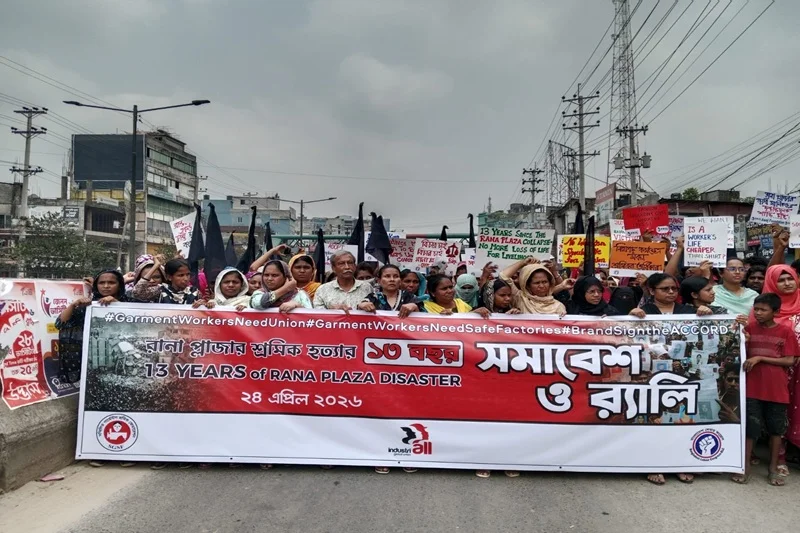
(C): X
Savar protests have shown that the Bangladesh garment industry is significant not only for Bangladesh’s economy but for the world fashion industry as well. With workers going on strike in 2026 after 13 years of the Rana Plaza disaster, in which over 1,100 workers lost their lives, let us know what has changed and what still needs improvement and the reason behind the strikes.
The Aftermath of Rana Plaza
The event at Rana Plaza in 2013 was responsible for changing people’s perceptions regarding fast fashion labour practices in Bangladesh. Ever since then, many innovative schemes, including the Bangladesh Accord, have been initiated for enhancing safety in Bangladesh factories. This included inspections of more than 2,000 factories employing more than 2 million workers.
The Rana Plaza effect 2026 has been observed in improved compliance rates, improved building inspections and international initiatives to promote sustainable sourcing. This is a major achievement in Rana Plaza reforms in factories covered by the Accord.
However, the Rana Plaza legacy and reforms story has not ended. There are issues that should be further worked on so that risks in factories are minimized. All factories are not covered by international pacts, which has caused labour rights demonstrations in Bangladesh.
Latest Savar Protests
But despite the progress, workers are still dissatisfied with the latest Savar protests. Key issues include:
- Bangladesh garment worker wages: Workers complain that wages are not rising to keep pace with inflation and rising costs of living.
- Minimum wage in Bangladesh’s garment industry: Redesign of the minimum wage remains very contentious – and there are demands for higher wages.
- Bangladesh worker safety violations: Factories with fire and locked doors are symptomatic of problems beyond “monitored” factories.
- Bangladesh labour law enforcement: New laws are a step in the right direction, but enforcement is weak.
Savar garment factory workers’ protest is not just about money, but dignity, safety and rights.
Laxity in Factory Safety and Compliance
There are improvements in factory compliance in the Bangladesh garment industry, but it’s not on the ground. The smaller or subcontracted factories are not being monitored. Further development in terms of Bangladesh factory inspections follows from the increase in demand for Bangladesh inspections.
Conditions in the garment industry of Bangladesh are suspect, especially in factories that are not subject to international conventions. This is one of the major reasons for the Savar industrial belt protests and other protests by worker unions in Bangladesh.
Key career news you should know.
What Caused Zoho Layoffs 2026?
Explore the factors behind job cuts.
Is Firing After Leave Legal?
Discover what the law actually says.
Will Workers Get Higher Wages Soon?
Check expected changes in wage policy.
Are EV Companies Hiring More Now?
Explore growth in electric vehicle jobs.
Where Can You Get Sponsored Jobs?
Discover countries hiring foreign talent.
The Global Brands and Supply Chain
The global fashion supply chain is important for the Savar protests. Brands have become more ethical, although it is contended that they should have done better.
Although there were many instances where agreements entered into between brands and trade unions were proven effective, the brands still opted for cost-cutting measures, hence the Bangladesh garment workers’ strike of 2026. It acts as a hurdle towards ethical sourcing.
2026: Labour Laws and Worker’s Rights
Labor laws for Bangladesh related to the garment industry are already in existence; labor laws that are unionizable and afraid of being retaliated against. In the long run, this is going to be positive.
Unfortunately, the problem of Bangladesh labour law enforcement continues to exist. We see cases of harassment and freedom of association, thus causing the Bangladesh export labour crisis.
The Rana Plaza anniversary protests in 2016 show that changes in labour laws need to be implemented.
What the Future Holds
The protests in Savar today reflect that there has been improvement, but there is still more to do. And with existing safety and compliance agreements set to expire, now is the time for all parties to focus on compliance and safety.
To improve the situation in the long run, the industry has to:
- Improving Bangladesh factory safety, Bangladesh 2026 standards in factories
- Paying minimum wage and addressing issues of garment workers’ wages in Bangladesh issues
- Improving the ethical practice in the global fashion supply chain
- Enforcing labour laws consistently
Conclusion
The Savar protests of today are part of the continuing fight for justice, beginning with Rana Plaza. While there is progress in labour safety and awareness, today’s report of the Savar protests reveals there is still much work to do.
The Savar protests in the garment industry will be a symbol of progress and the fight for human rights in the global garment industry until workers are provided with decent wages, working conditions and rights.