Kritika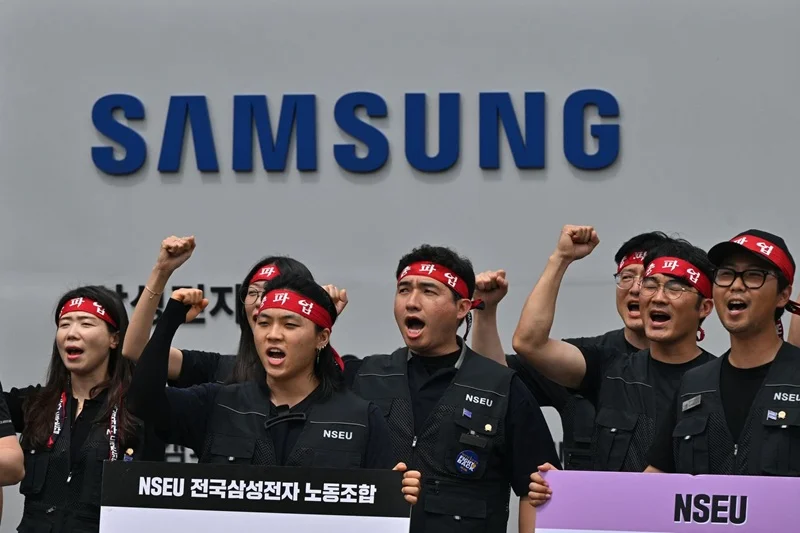
(C): X
After failing to resolve salary discussions through mediation between the parties involved, NSEU, as of May 13, 2026, decided that it would launch a strike campaign, resulting in an 18-day work stoppage to begin from May 21, 2026. The Samsung strike of 2026 may prove highly damaging to global semiconductor production chains at the worst possible time since more than 50,000 workers are gearing up to join in the protest action.
What the Samsung Employees Are Protesting Against
The workers at Samsung are protesting against the remuneration structure they believe fails to consider the high profits the company is making, particularly in its AI chip sales. Specific and sweeping demands from the Samsung union:
- All staff receive a 7% base salary increase.
- 15% of annual operating profit allocated to an employee bonus pool
- No more the 50% bonus cap on performance bonuses as a proportion of base pay.
- Transparent and clear bonus schemes and incentive pay,
The Samsung pay dispute is motivated by the growing disparity in wages between Samsung Electronics and their competitor, SK Hynix. Workers employed at Samsung have been discontented with their remuneration because of the entry into the HBM chip market by SK Hynix, which is critical for AI. This labor dispute in Korea takes place shortly after the relatively short strike conducted last year, in 2024, and increasing distrust between the management and the Samsung labor union.
Consequences at Global Semiconductors
The Samsung semiconductor dispute extends well beyond the current developments taking place in Seoul. Samsung, being the world leader in terms of production of DRAM and NAND flash memory chips, will face difficulties with manufacturing the chips. Such repercussions of such activities will soon reach other spheres.
The following are potential consequences of the Samsung chip plant strike:
- Disruption of production at semiconductor manufacturing plants, including Samsung’s Pyeongtaek plant, which are crucial to the memory chip market for AI and consumer electronics, will result in immediate losses.
- Lost revenue is estimated at more than 1 trillion Korean won ($676 million) a day, which will be a severe blow to the country’s competitiveness over the long term.
- From smartphones to data centres, to laptop and automotive systems, the supply risk and Samsung NAND flash shortage impact the entire industry.
- More than 1,700 suppliers, including first and second-tier companies, are directly affected by Samsung’s chip manufacturing business, and are severely disrupted by it
The moment couldn’t be worse. The surge in demand for the AI chip has put unprecedented strain on the global semiconductor supply chain, and many hyperscalers and AI hardware companies have already vied fiercely for each HBM chip. The reason could further squeeze a fragile supply chain for AI chips and fast-track the chip shortage globally, should the Samsung employees go on strike for a prolonged period to stop or slow down the production of memory chips.
A Crisis Rooted in Samsung AI Profits — But Not Shared Equally
The reason for the South Korean tech worker’s rage is that Samsung has seen a revenue surge thanks to demand for AI technology. While Samsung AI has seen an increase in its profits, employees claim that they have been capped, opaque, and have not received bonuses based on the company’s actual financial results.
Now Samsung has brought up the issue of its pay gap with SK Hynix, and that’s it. Meanwhile, SK Hynix workers see their pay negotiations become a semiconductor labour dispute as they reportedly get better pay linked to the HBM boom from Samsung Electronics.
What Comes Next
The Samsung fab strike, which is scheduled to start May 21, is a major turning point for Samsung and for the global electronics supply chain as a whole. If the memory chip disruption continues throughout the entire 18-day period, the tech supply chain crisis could push memory chip prices to a dramatic new level, impact device manufacturers all over the world, and affect the faith in South Korea as a reliable memory chip manufacturing centre.
There is a risk of disruption in the semiconductor supply chain; the semiconductor industry news cycle is closely watching, and the clock is ticking. The fate of a last-minute deal between Samsung and its union before May 21 could be a determining factor in how much the world’s tech ecosystem feels the aftershocks of this Samsung strike.
Big Strike Updates You Should Know!
Which Sectors Face Strike Disruption?
Explore the biggest May Day impact areas.
Will Samsung Supply Face Delays?
Check out how the Pyeongtaek strike affects buyers.
How Can Telangana Travelers Manage?
Find the best transport alternatives during strikes.
Why Are UC Workers Protesting?
Dive into the growing pay dispute tension.
How Bad Is London Shutdown?
Browse the latest Underground strike disruption updates.