khushboo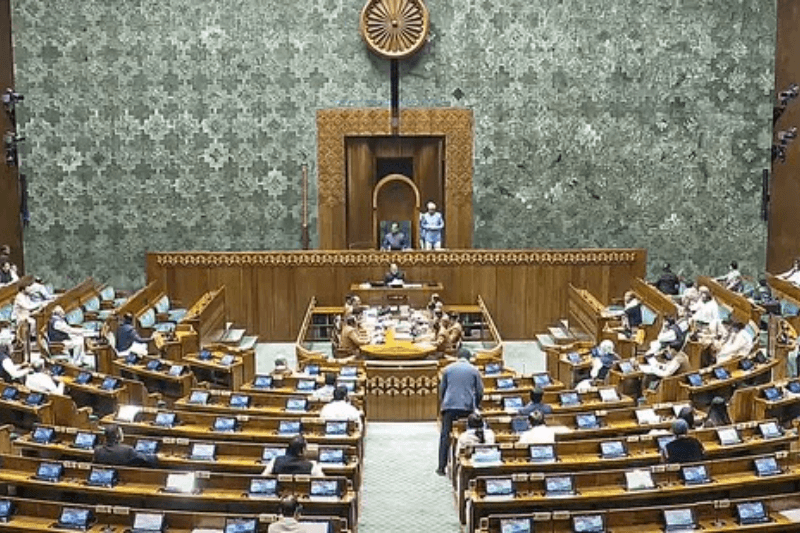
(C): X
Phones lighting up at 11 pm, that sharp ping cutting through a quiet room, again. The headline in Delhi today feels like relief in print: No More Late-Night Emails as Parliament debates a landmark Right to Disconnect Bill. It lands with real-world weight.
Understanding India’s Proposed Right to Disconnect Bill
The draft aims to give workers a clear legal right to ignore work calls, emails and chat messages outside official hours or on weekly offs and holidays. It reads simple on paper. In practice, it tries to set a bright line after decades of blurred boundaries.
Offices grew digital, expectations crept into nights, and hybrid routines baked in odd-hour replies. Bill’s premise is straightforward. Work ends, and private time stays private, barring genuine emergencies that must be defined, not guessed. That’s how many staff see it anyway.
Key Provisions of the Right to Disconnect Framework
Below is a quick view of the major planks discussed in the draft. Clean, practical, and the sort teams will quote during policy rollouts.
| Provision | What it means in day-to-day life |
| Legal right to disconnect | Employees can decline after-hours messages without fear of penalty. |
| Coverage | Permanent, contract, gig workers included to reduce grey zones across roles. |
| Exceptions policy | Pre-defined emergencies only, logged and auditable, not a blanket excuse. |
| Grievance route | Internal committee first, then authority review when disputes escalate. |
| Anti-retaliation | No poor appraisals or subtle punishment for using the right. |
| Penalties | Monetary fines for non-compliance, scaled to size, with repeat checks. |
Simple table, yes, but teams need exactly this. Managers too.
Why India Needs a Legal Right to Disconnect
Anyone who sat through a child’s school event while half-reading a client mail knows the quiet stress. The tone of chats at odd hours builds a constant hum in the head. Sleep breaks, tempers snap, small family routines fall apart. Hybrid schedules pulled people into unclear days, and even sick leave felt porous.
A clear legal right can lower background noise. Fewer late-night pings, more rested mornings. Sometimes it is the small habits that change how Mondays feel.
How the Bill Could Transform Workplace Culture
If adopted well, teams begin to plan during the day, not at midnight. Meetings tighten, handovers become sharper, cutoffs get respected. The blue glare of screens after dinner dims, and that matters. Over time, the culture moves toward outcomes per shift, not heroic late messages.
Younger staff stop guessing what “ASAP” really means at 10.30 pm. Seniors stop rewarding the most available person and start rewarding the most prepared one. It sounds basic, still hard to do.
What Employers Must Change if the Bill Passes
- Publish official work-hour windows for every function, including customer-facing roles.
- Define emergency categories, name approvers, and keep a short audit trail for each trigger.
- Move recurring updates to daytime slots and automate non-urgent alerts that can wait.
- Train managers on respectful cutoffs, especially for cross-time-zone projects.
- Update appraisal language so after-hours silence never hurts ratings. People watch.
Concerns and Criticisms from Industry and Policy Experts
Global teams worry about time zones and late handoffs. Startups fear slower cycles during funding sprints. Small firms ask who writes the exception list, who police misuse, and how to keep service levels steady at night. Some argue that a rigid line ignores seasonal peaks. Others say staff already work late for pride or pay and will keep doing so. The counterpoint is familiar. Clear rules reduce friction and force better planning. Maybe they are right.
How Other Countries Have Implemented Similar Rights
France wrote a legal route years ago and pushed companies to frame charters. Spain and Portugal created structured guidance that cuts after-hours pressure in many sectors. Ireland’s code shifted norms through policy plus training. None of these ended late work fully, that would be naive. They nudged behavior, created paper trails, and signaled that constant availability is not a badge. India can borrow the scaffolding, then fit it to local shop floors and service desks.
Parliamentary Debate: Support, Opposition and Political Signals
The debate carries a plain theme. Workers want clarity after official hours, industry seeks flexibility around clients and outages. Some members flag the load on compliance units. Others ask for phased rollout, sector pilots, and strong awareness campaigns. The Government benches listen, sending mixed but watchful signals, as usual.
Committees may shape tighter language on exceptions and penalties. The corridor chatter hints at compromise text. That is politics, and honestly, not a bad path.
Potential Impact on Employees Across Sectors
IT services, consulting, media, logistics, hospitals, and retail all run across clocks. The Bill could soften after-hours pull in most of them, especially for back-office roles. Frontline support may still need rosters, but rosters can be fair and paid. Contract staff often face the worst spillover, so coverage matters there the most.
When people rest properly, output improves during shift hours. That pattern repeats across cities, and it shows up fast in churn rates.
FAQs
1. What does the Right to Disconnect actually protect in daily practice for employees and teams?
It protects the choice to not respond to after-hours communication and shields staff from any penalty linked to that choice, except defined emergencies recorded transparently.
2. Will cross-time-zone projects stop late coordination once the Bill becomes law nationwide?
Late coordination may still occur through rostered roles and pre-approved exceptions, but random pings reduce sharply as teams plan handovers during regular shift windows.
3. How can small businesses handle urgent client issues without breaking the spirit of the Bill?
They can keep a rotating on-call list, set short response windows, and document every exception so late work remains rare, paid, and clearly justified.
4. Does the framework include contract and gig workers engaged by platforms or vendors on site?
Yes, the intent is broad coverage across permanent, contract, and gig roles, to prevent uneven rules that push late work to the most vulnerable workers.
5. What should employees start doing now while the Bill moves through committees in Parliament?
They should align written hours with managers, request clear escalation ladders, log late requests politely, and nudge teams to shift routine updates back into daytime.