khushboo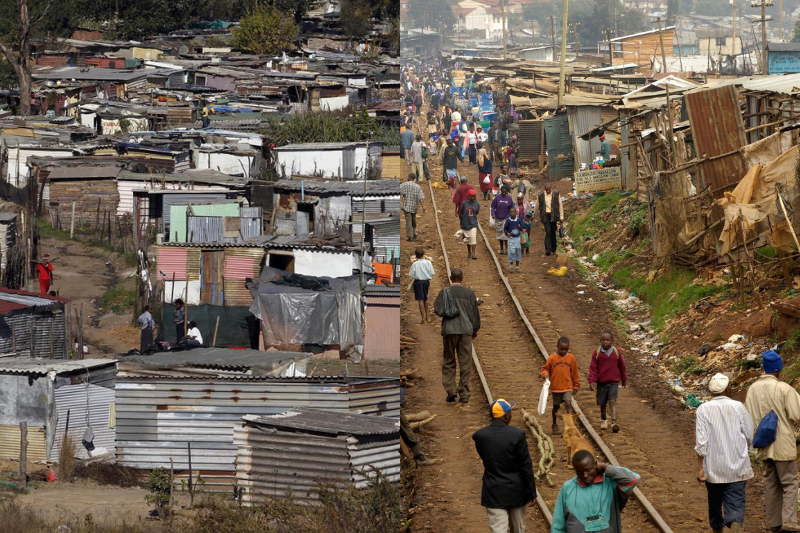
By 2025, the state of extreme poverty in the African region remains to be overcome, and most of the cities are stagnating incomes, poor infrastructure and a prolonged civil war. Similar poverty patterns can also be seen in the poorest cities in Texas and the poorest city in Massachusetts, where economic gaps and low living standards persist. Even though most focus is placed on country-level indicators, including GDP per capita, urban centres often represent even more extreme differences: overcrowded slums, poor services, and structural exclusion. Although exact city-to-city classification is not readily available, there are some capitals and large cities in the lowest-income countries of the continent which help to emphasize the level of urban poverty. Indicatively, over a half of the inhabitants in the capital of one of the poorest countries in the world live in poverty. These city facts provoke immediate doubts concerning government, investment, and even growth in inclusiveness.
Major Cities in Poorest African Countries
| Country | City | Key facts |
| Luanda (Angola) | Luanda | It has approximately 53% living in poverty, basic services, including drinking water and electricity, are poor, despite being a capital city. |
| Kibera (Nairobi, Kenya) | Kibera slum area | Biggest shantytown in Africa; average citizen makes less than US $2 a day, with little access to clean water or frequent education. |
| Conakry (Guinea) | Conakry | It is a capital but is reported to be one of the poorest urban economies: over 70% of the residents here live in abject poverty, less than US $1.25/day. |
| Niamey (Niger) | Niamey | One of the poorest cities in Africa; high rates of population growth, low industrialisation and high dependency on agriculture limits urban incomes. |
Table Description
The table above is a selective dissection of the urban centres of the poorest countries of Africa or countries that had a connection with Africa. These cities depict how even big cities or capital cities of nations experience deep-seated problems of poverty. In both instances, infrastructure is poor, population density is great, the opportunities and weak governance are contributors to poverty. Although this is not a complete list, it highlights the fact that poverty in Africa is not only rural, but in most cases, it is urban and metropolitan. It also points to the necessity of better city-level data and interventions, as opposed to country averages only.