khushboo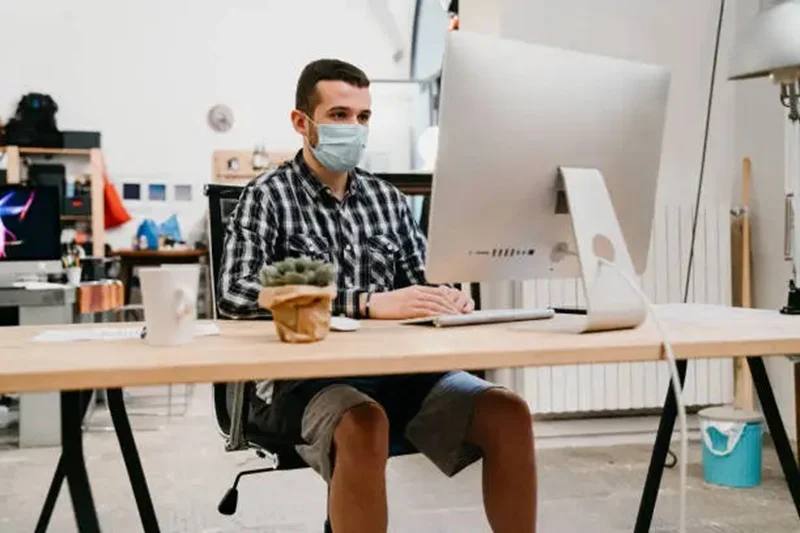
(C): Unsplash
Once the temperatures surpass 40 degrees Celsius and remain there, even the most buttoned-up workplaces must rethink what a professional really means. It is precisely that discussion which Japan is now compelling the world to engage in. The debate on the office dress code heatwave 2026 has come, and surprisingly, the city hall of Tokyo has led the pack.
Japan’s “Kokusho” Crisis and the Shorts Revolution
An alarming new weather category introduced by the meteorological agency of Japan this year and named kokusho, meaning cruelly hot, is reserved exclusively for those days when the weather becomes so hot that it reaches temperatures of 40°C and over, which has become so common that it now requires official designation.
It is against this backdrop that the Tokyo metropolitan government made a bold step by allowing its workers to wear shorts as part of an upgraded version of the Cool Biz energy saving initiative that was first launched by the environment ministry of Japan in 2005, which initially only encouraged the bureaucrats to drop ties and jackets during the summer.
This metamorphosis of the Japan Cool Biz campaign is a major change in the policy of dressing in the heatwave in Japan. The Tokyo Governor, Yuriko Koike, the initiator of Cool Biz 20 years ago, is a strong supporter of the change. She said that this summer the city promotes cool clothes in favour of comfort, such as polo shirts, T-shirts, sneakers, and shorts (depending on job-related duties).
No-Tie Rule to No-Trousers Rule
The rule is that Japan’s no-tie rule has graduated into something much more relaxed. When the program was introduced in 2005, it was about encouraging civil servants to drop ties and jackets; encouraging shorts is novel. The stimulus this time is more than temperature itself – an energy crunch associated with the Middle East conflict is one of the factors that lead Tokyo to take the shorts policy a step farther, where the officials hope that lighter clothing will make people less reliant on air conditioning and reduce the strain on the power supply.
Initial outcomes of the employees who have adopted the shorts at work policy have been encouraging. One government official who started wearing shorts to work told one Japanese newspaper: “I was a little nervous, but it is very comfortable, and I believe that it will make me more efficient at my work.”
A Global Conversation on Office Dress Code Heatwave 2026 Norms
Japan is not the only country that is struggling with heatwave safety rules at the workplace and summer workplace clothing rules. Some countries, such as Australia, Japan and the Philippines, have already restricted the number of days that employees are allowed to work in the office or government workers in the Philippines have even been allowed to wear light shirts instead of the required traditional clothes.
However, in most conservative business cultures, opposition to office dress code heatwave 2026 changes is still great. As one of the office workers posted on the Internet, “my boss would kill me should I showed up in the office in shorts, regardless of the high temperatures.” This conflict between comfort, the flexibility of the employee dress code, and professional demands lies at the centre of the global corporate dress code updates discourse in 2026.
What HR Leaders Need to Consider
With the changes in policy on summer workwear, HR professionals need to take the initiative. The rules of HR dress code 2026 are to consider both the rules of heatwave workplace safety and the well-being of employees. Organisations that do not adapt will lose productivity, suffer health problems due to heat, and have disengaged employees.
The Japan temperature 40 degree work policy provides an articulated template: tie office dress code changes 2026 to quantifiable climate values, maintain role-specific flexibility, and communicate changes in a transparent manner. No longer is it a question of whether to adjust work according to the rules of the office dress code during extreme heat; it is more a question of how quickly companies can move. Japan has already decided.
Key worker rights and safety updates to know
Are US farmworkers safe in heatwave?
Check out demands for better protection measures now.
Is Japan healthcare work becoming safer?
Find out how new rules address abuse concerns.
Do Indian workers get cooling rights?
Uncover laws pushing for heatwave compensation now.
Are migrant workers facing safety risks?
See reports highlighting dangers in outdoor jobs.
Who gets 120 days maternity leave?
Get to know eligibility rules and extra benefits.