khushboo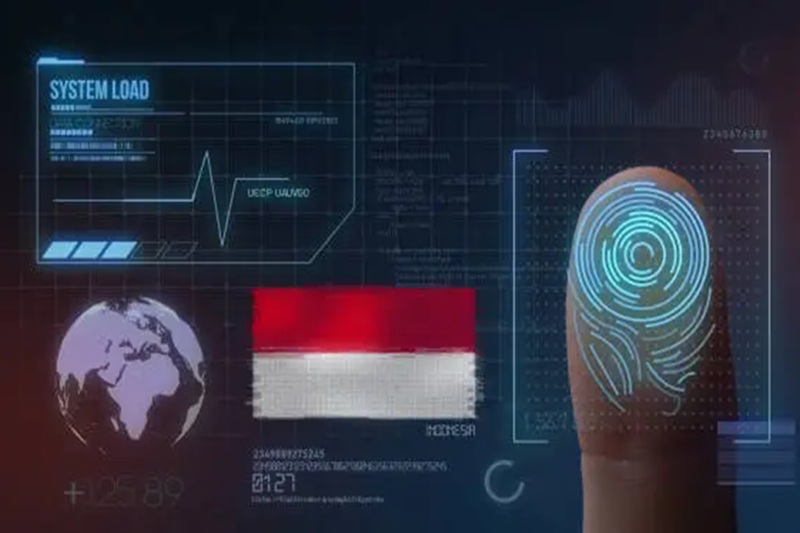
(C): Unsplash
Indonesia is rapidly expanding its digital governance initiatives, and Jakarta digital ID programs are a major part of this transformation. Such programs are designed to make identity verification modern, make access to government services easy, and enhance the efficiency of administration. Digital identity systems enable residents to authenticate their personal information on mobile platforms rather than on conventional documents. However, while the Indonesia digital identity system promises convenience and improved public services, it has also sparked debate among civil liberties groups. Critics warn about potential privacy risks, data misuse, and increased surveillance, raising broader questions about privacy rights Indonesia and how personal data will be protected.
Jakarta Digital ID Programs Explained
The rollout of Jakarta digital ID programs is part of Indonesia’s effort to digitize public services and modernize governance.
- Digital identity systems purpose: Digital IDs are created to ensure that citizens can conveniently and easily access government services, banking, and administration.
- The mechanism of digital IDs: The residents register using official applications or state databases, where the identity data is confirmed and stored in a digital form.
- Modernization objectives of the government: Among the benefits, authorities expect digital ID systems to lower bureaucracy, enhance service delivery, and enable the growing digital economy in Indonesia.
Civil Liberties Concerns and Privacy Issues
Despite potential benefits, the expansion of digital identity systems has raised digital surveillance concerns Jakarta.
- Risk of data security: Databases with personal information can be subject to the threat of cyberattacks or data breaches.
- Surveillance issues: It is feared by some that because of digital IDs, governments or institutions will be able to monitor the activities of individuals more conveniently.
- Legal protections for citizens: Advocates are calling for stronger regulations to protect privacy rights in Indonesia and ensure transparency in data management.
Future of Digital Identity in Indonesia
The development of digital ID programs continues to generate discussion among policymakers and civil society.
- Policy debates: Experts are evaluating how to balance innovation with personal privacy protections.
- Technology regulation: New frameworks may be introduced to regulate data storage and digital identity systems.
- Balancing innovation and rights: Ensuring secure digital systems while protecting civil liberties remains a key challenge.
FAQs
1. What is a digital ID program?
A digital ID program allows individuals to verify their identity electronically using online systems or mobile applications.
2. Why are people concerned about digital identity systems?
Concerns often focus on privacy risks, data security, and the possibility of surveillance or misuse of personal information.
3. How does Indonesia plan to use digital IDs?
Indonesia plans to use digital IDs to simplify access to government services, administrative processes, and digital platforms.
4. Can digital ID systems affect privacy?
Yes, without strong data protection policies, digital identity systems could potentially expose personal information or increase surveillance risks.