
 kritika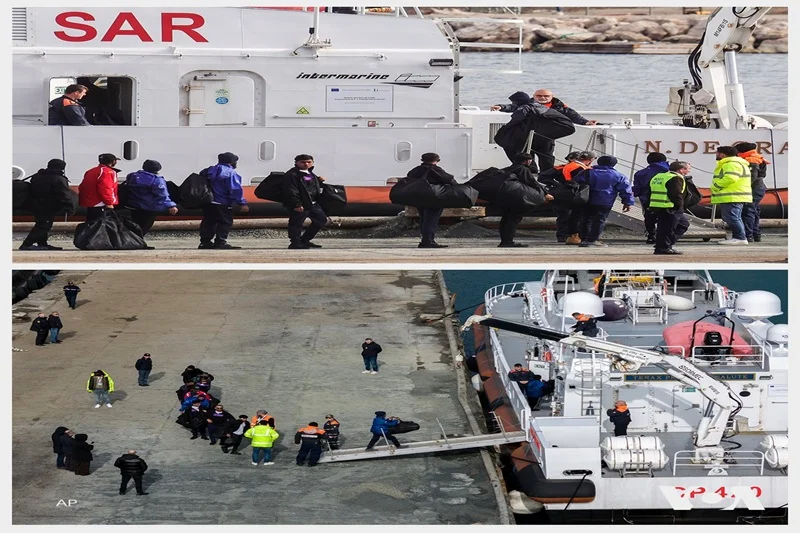
(C): X
The Italy Albania Migration Deal is one of the most controversial migration policies in Europe – and if you’re a migrant worker in Italy, it could have a direct impact on you. Italy will now be able to send migrants to detention centres in Albania instead of having them processed in Italy. More than 500 have already been moved, and lives are in danger. Here are some of the things you should know.
Quick Facts: The Italy Albania Migration Deal at a Glance
| What | Details |
| What is the deal? | What Italy does is send migrants to detention centres that it operates in Albania. |
| Active since | 23 February 2024 |
| Duration | 5 Years, Auto-Renewal — will run until at least 2029. |
| Budget | The budget for this in Italy is €6 billion. |
| Funding | Over €670 million through 2028 |
| Who is the subject of transfer? | Men who already had expulsion orders against them in Italy. |
| What are the facilities and conditions like for detainees? | The detention centre at Gjadër, Albania. |
| Lawyer access | Allowable, but highly restricted in practice. |
| Court challenges | Several Italian courts and the EU Court of Justice have sided against a portion of it. |
What Is the Italy Albania Migration Deal ?
The agreement, signed in 2023, allows Italian authorities to use two migration processing centres on Albanian territory for processing asylum requests outside Italian territory. Although migrants are legally under the jurisdiction of Italy, they can be physically transferred to Albania when they are intercepted at sea or held in Italy. The centres are staffed by Italian personnel but are hundreds of kilometres away from Italian courts, lawyers and support.
The agreement was initially for sea interceptions, and in March 2025 it was extended to men who were expelled but detained on Italian territory, resulting in the increase of transfers above 500 people.
Who Is at Risk of Being Transferred?
The Italy-Albania migrant transfer agreement is currently in place for:
- The exclusion of women, children and vulnerable people is a formal exclusion (men only)
- People who have expulsion orders still in effect in Italy
- Immigrants already detained in the immigration system.
- Individuals from “safe” countries in the EU and other countries.
The final one is the most volatile. While the “safe country” list has been called into question several times in Italy’s Courts and in the EU Courts, it also facilitates the justification of a transfer, as it expedites the processing of asylum procedures. The Italy-Albania migration deal is not something that’s far off, but something that becomes a reality if your country of origin is on that list, or if your legal status in Italy is precarious.
Stay informed with these stories shaping Africa today.
- What Happened In Yobe’s Boat Tragedy?
Check out the latest details on the deadly boat capsizing in Yobe State. - How Is Tanzania’s Dam Transforming Lives?
Explore the Julius Nyerere Dam’s impact on electricity and employment. - What Happened Off Libya’s Coast?
Find the latest updates on missing migrants after the boat capsized. - When Does Tinubu’s 2027 Campaign Begin?
Track down the latest developments surrounding Nigeria’s 2027 election campaign. - How Did Plateau’s Deadly Raid Unfold?
Uncover what happened during the gunmen’s deadly attack on a Plateau community.
Italy vs. Albania Processing: Key Differences
| Factor | Standard Processing (Italy) | Albania Offshore Processing |
| Access to lawyers | Required before hearings | It is not uncommon for lawyers to be unable to meet with clients on time. |
| Court oversight | Full Italian jurisdiction | Italy is the jurisdiction; distance is a barrier. |
| Independent monitoring | Permitted | Largely blocked |
| Psychological support | Available via NGOs | Severely limited |
| Self-harm incidents | Lower risk | The number of incidents is critical, recorded in 35 days (Apr – May 2025). |
What Are the Real Risks?
- Health and safety: Between April and May 2025, 42 critical incidents were recorded at Gjadër — including self-harm and protests — in just over a month. Social isolation, the lack of services, legal assistance, and a homelike environment are very harmful to migrants, who have already braved dangerous journeys to arrive there.
- Legal access: While technically detainees can access a lawyer, it is very difficult in reality. Attorneys have not been able to see clients before the hearings for asylum, reports say, leaving people without a proper defence.
- No transparency: Independent monitoring, journalists and parliamentary oversight bodies have all been denied access to the Albanian centres.
- Courts overruled: Several Italian judges have ordered the release of transferred detainees, which they have ruled is an illegal detention. The government has not changed the deal but instead passed emergency legislation that restricts judicial review.
Your Rights Under the Italy Albania Asylum Deal
It is not international law that is extinguished by being transferred to Albania:
- Right to seek asylum does not expire when transferring
- The right to legal assistance both prior to and at hearings;
- Last resort, first resort: International law requires alternatives to detention to be considered.
- Right to appeal — decisions may be appealed, but there are practical issues to this point.
- Dignity and welfare standards are to be observed — right to humane conditions.
This is what makes this deal so hotly contested: that the rights are on paper, but in reality not in practice.
FAQs
If I am working legally in Italy, is there a way for me to be transferred?
The Germany migrant transfer policy is directed at men who are detained with an expulsion order in force. If you are not listed with a valid legal status and no removal order, you are not currently covered by the criteria – but the scope of the deal has already been widened once, so it’s important to stay informed.
Does the deal apply to women and children?
No — the framework of the migration centres between Italy and Albania keeps women, minors, and vulnerable people out of the picture.
Have EU institutions backed off?
Yes. Italy’s handling of the issue is not entirely in line with EU law, the Court of Justice of the European Union ruled. Human rights groups have demanded that the agreement be terminated altogether and alternatives to detention sought.






Recent Comments