abi sri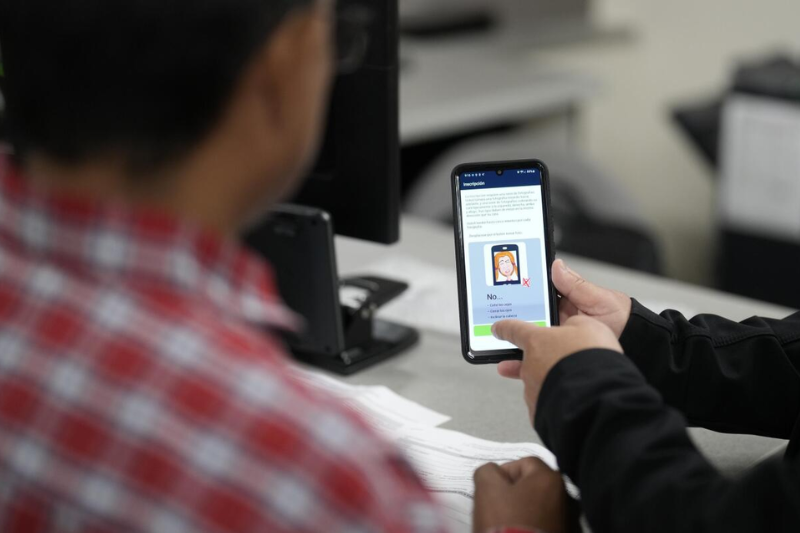
The integration of biometric technologies into immigration systems by the United States and the United Kingdom has sparked debate and concern.
The integration of biometric technologies into immigration systems by the United States and the United Kingdom has sparked debate and concern. While these initiatives aim to streamline processes and enhance security, they also raise critical issues related to privacy, surveillance and the potential discrimination.
US’s CBP One: A Digital Gateway with Privacy Risks
Launched by the Biden administration, the United States Customs and Border Protection’s (CBP) introduction of the CBP One app represents a remarkable shift in the way asylum applications are processed. This app is designed to serve as a digital gateway for migrants seeking protection in the US. However, human rights organizations, particularly Amnesty International, have expressed severe reservations about its implications and implementation.
Privacy and Surveillance Concerns
Report by Amnesty International underscores multiple key concerns about the CBP One app. This app requires asylum seekers to upload photographs, but it fails to disclose if the biometric data provided by them is passed to other government agencies or not. This lack of transparency raises crucial privacy concerns. The use of 1:n facial recognition technology in the app is a real sticking point, as it substantially enables mass surveillance and targeted discrimination. This technology raises many questions about the necessity and proportionality of its use under international human rights law as it matches one image to many others in a database.
Technical and Operational Issues
The CBP One app has been criticized for its technical flaws too and it is definitely beyond the privacy concerns. Frequent glitches, crashes and errors have crippled the system, intensifying the application process for a large number of users. Moreover, further aggravating privacy worries, an analysis revealed that the app transmits device information and identifiers to Google’s Firebase service without even informing the user.
UK’s eVisa Introduction: Potential for Chaos
In another move, the UK government is turning to an only online immigration system, terminating physical visas and biometric residence permit (BRP) cards by the start of 2025. This high minded switch to eVisas has sparked vital concern among immigrants rights organizations and lawyers.
Communication and Accessibility Issues
Lack of effective communication is one of the major concerns with the UK’s eVisa system. Many migrants are unaware of the new scheme and technical glitches and crashes have averted many from receiving important emails required to set up their digital accounts. These issues could leave thousands of migrants stuck overseas or unable to access their basic rights like right to work and rent within Uk.
Impact on Vulnerable Groups
This shift to eVisas also raised questions and concerns about the competence of vulnerable groups, such as the elderly, to adapt to only digital documentation at this age.The Immigration Law Practitioners Association (ILPA) has already filed cases of several individuals being locked out of the country due to issues with digital documentation. Advocacy groups are calling for a longer transition period to make sure a more inclusive and smoother transition to the new system.
Technical Challenges and Data Protection
The UK’s previous track record with immigration IT systems complicates the situation more. The government’s efforts to revamp these systems have been hampered by delays, technical issues and budget problems. In March, The UK’s data protection watchdog started an investigation into the Home Office after reports of over 76,000 individuals being affected by biometric and biographical data failures.
While this integration of biometric technologies into immigration systems commits increased security and efficiency, it also presents evident challenges. The US’s CBP One app and the UK’s eVisaintroduction underscore crucial concerns about surveillance, privacy and the potential for significant disruptions in the lives of migrants. Resolving these issues is essential to ensure that technological advancements do not come at the expense of fundamental human rights and fairness.