writer ss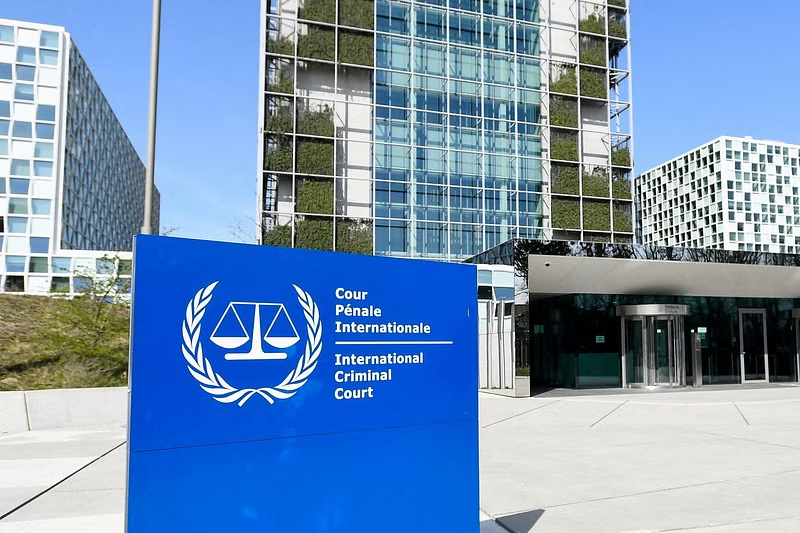
In a ruling, the International Criminal Court (ICC) has issued a point of interest order
In a ruling, the International Criminal Court (ICC) has issued a point of interest order, ordering that about 50,000 casualties of Uganda local army commander Dominic Ongwen get a stipend totaling over 52 million euros ($56 million). This reparations order, declared on Wednesday, speaks to a noteworthy turning point within the interest of equity for casualties of war violations and violations against humankind. The ruling stands as the biggest reparations order ever issued by the ICC, underscoring the court’s commitment to tending to the significant hurt delivered upon people and communities influenced by grave human rights infringement.
Ongwen’s Failure to Pay: Tribunal Calls for Help
In spite of being sentenced to 25 years in jail in 2021 for his part in 60 tallies of war violations and wrongdoings against humankind, counting assault, kill, and child kidnapping, Dominic Ongwen needs the money related to fulfill the compensation commitment himself. In acknowledgment of this impediment, ICC judges have turned to the tribunal’s Trust Fund for Victims to help in covering the costs related with the reparations. This choice reflects the court’s commitment to guaranteeing that casualties get the recompense they legitimately merit, indeed in cases where the culprits are incapable to meet their monetary commitments.
Nature of Reparations: Typical and Collective Measures
The reparations requested by the ICC envelope both personal installments and collective measures outlined to address the broader effect of the abominations committed by the Lord’s Resistance Army (LRA) rebels under Ongwen’s command. Each casualty is set to get a typical installment of 750 euros, symbolizing the court’s affirmation of their enduring and the requirement for acknowledgment and compensation. Moreover, collective reparations, such as restoration programs and dedication locales, will be executed to back the mending and recuperation of influenced communities. These measures reflect a comprehensive approach to reparations, tending to both the person and collective measurements of victimhood and looking to address the long-term impacts of the savagery executed by the LRA.
Challenges and Caution: Execution and Financing Concerns
Whereas the ICC’s reparations arrangement marks a significant step forward within the journey for equity, challenges remain in its execution. The judges have cautioned that casualties ought to not expect quick installments taking after the issuance of the reparations arrange, citing potential delays in execution. In addition, concerns have been raised with respect to the Trust Fund for Victims’ capacity to raise the vital stores to fulfill the requested whole, given its dependence on deliberate commitments. Tending to these challenges will be significant in guaranteeing that casualties get the reparations they are entitled to which their rights and dignity are maintained within the interest of equity.