khushboo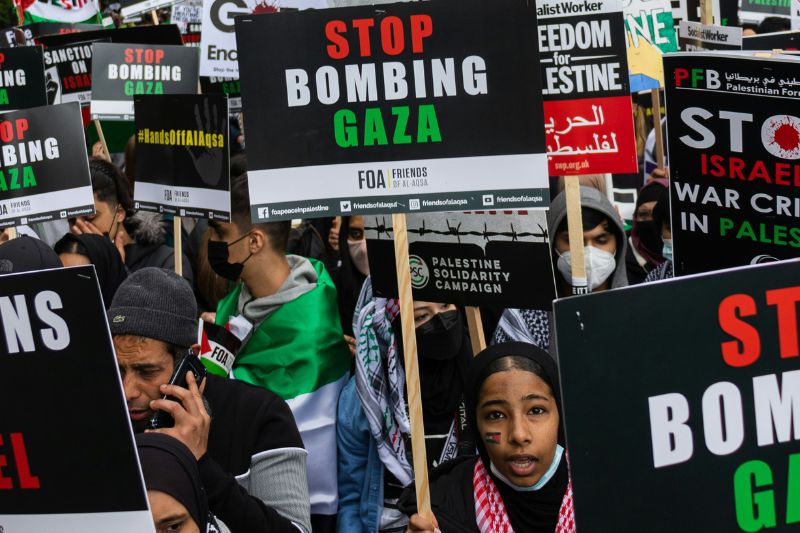
(C): Unsplash
In 2025, human rights violations in conflict zones remain widespread, severe, and deeply interconnected with displacement, poverty, and political instability. International statistics indicate that tens of thousands of civilians have been killed in the past year alone in conflicts with women, children and people with disabilities bearing the brunt of the violence. From Gaza and Sudan to Afghanistan, Haiti, and the Sahel, civilians face indiscriminate attacks, forced displacement, hunger, and denial of basic services, often in clear breach of international humanitarian and human rights law. It is imperative to know these trends to insist on responsibility and be advocates of more effective protection mechanisms in the war-torn areas. Explore our human rights news hub for the latest reports, advocacy efforts, and developments shaping equality worldwide.
Major Conflict Hotspots in 2025
There are some areas that are characterised by excesses and severities of abuse. Military operations in Gaza have led to mass civilian killings, destruction of homes and infrastructure and massive displacement and women and children comprise a large proportion of the dead. Civil war on the Sudanese territory between opposing military forces has caused ethnic cleansing, mass murders, rape, and violence against aid providers, and displaced millions of people or deprived them of basic needs. In Afghanistan, the Democratic Republic of Congo, the Sahel, and Haiti, other grave humanitarian crisis actors include both armed groups and state forces that are involved in killings, child recruitment, and a systematic violence against the civilian population.
Read More: What Are Human Rights Violations?
Types of Human Rights Violations
Some of the most frequent violations of international humanitarian law are the following: attacks on civilians, use of explosive weapons in areas with population, torture, disappearance, and rape. Forced migration has reached its highest point in history, with more than 120 million people across the globe being displaced due to persecution, war, violence, or human rights violations by the end of 2024. Human rights activists, writers, and local leaders are being severely oppressed as well, with many killed or going missing in just one year; this is often done as a direct response to their work in documenting the abuses or demanding accountability. Human rights are indivisible. Be it civil, political, economic, social or cultural in nature, these rights are all inherent to the dignity of every human. Human rights violations in Saudi Arabia, Qatar, UK, EU, US: Get an elaborate idea here.
Impact on Vulnerable Groups
Women and children suffer the most in war-torn areas. The number of female and child deaths in wars between 2023 and 2024 was several times higher than in previous years, and among others, a very large part of the casualties was recorded in Gaza. Children are first of all facing the recruitment into armed groups, then they are denied education, and rendered mentally ill, while women are constantly exposed to sexual violence, exploitation, and even disappearance. Persons with disabilities and the socially excluded communities suffer triple burden of discrimination, which makes it extremely difficult for them to get through the aid, safety, and justice systems.
Accountability and International Response
In spite of the bleak scenario, monitoring and accountability measures have made small but positive steps. A greater number of countries have independent institutions for the protection of human rights at the national level and improved systems for the collection of data related to attacks and discrimination which contribute to the process of reporting and legal action at the international level. International courts and UN agencies persist in their actions to look into the committing of war crimes and crimes against humanity, although the situation is often complicated by political deadlock and the continued provision of arms to the violators of human rights that make preventive actions ineffective. The presence of civil society organizations, journalists, and local human rights defenders continue to be crucial as they not only monitor the situation and report violations that occur but also call upon both governments and international bodies to adhere to the human rights standards set at the global level.