Dr. Neha Mathur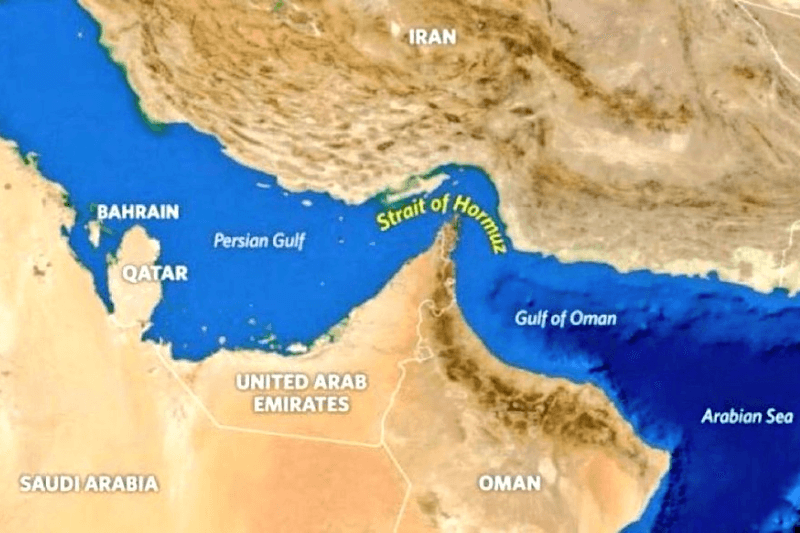
(C): X
The geopolitical warming and tension in the Strait of Hormuz are also starting to spill way beyond the energy sector. Through a swift adjustment plan being pre-empted in 2026, analysts say global companies are gearing up quietly what some HR experts refer to as the 15 percent staffing panic button – a response effort to the reality that the world might soon be experiencing an economic shock that might be triggered by interference in one of the most important shipping routes across the globe.
The so-called “Hormuz Effect” is a phenomenon that has hired, staffing, and workforce planning dependent on global industries to suddenly change as a result of unrest in the region of the Persian Gulf.
Why is the Strait of Hormuz important to the World Economy?
The Strait of Hormuz is also one of the critical marine chokepoints on the earth. It mainly lies between the Persian Gulf and the Gulf of Oman and finally, the global Ocean trade system.
Approximately 20 percent of the global oil goes through this waterway on a daily basis. Large exporters of energy including Saudi Arabia, Iran and United Arab Emirates use it to transport oil and gas to the general markets of the world.
Once the situation in the region becomes tense, the increased cost of energy, unreliable supply chains, and economic instability become inevitable since companies are now preparing to face the volatility of the economic conditions.
The “15% Panic Button” Explained
Most of the MNCs have backup strategies in case of unexpected economic shocks. Workforce strategists see such a solution to be the simplest in terms of rescaling staffing plans by approximately 10-15 percent.
This does not necessarily imply mass layoffs. Instead, companies may:
- Freeze new hiring
- Delay contract renewals
- Less overtime or temporary employees.
- Move shift workers to high in-demand activities.
Such changes enable companies to manage expenses fast in case of a spike in prices of energy or any interruption in supply chains.
Business Decisions are caused by the energy prices.
The energy price affects almost all sectors of the economy manufacturing and logistics, aviation and technology.
Companies have to incur more costs in the areas including: when oil prices soar sharply following instabilities in and near the Strait of Hormuz.
- Shipment and transportation.
- Factory operations
- Global supply chains
In order to contain these expenses, organizations tend to become more frugal and one of the very first things to be affected is the expenditures on workforce.
Global Industries are Under Pressure
Geopolitics are most vulnerable to the Gulf region industry that relies heavily on international trade.
For example:
- Ship owners track the routes and the prices of tankers as well.
- Airlines are variable in fuel budgets and prices of tickets.
- Supply chains and stocks are reviewed by manufacturers.
Even the impact can be experienced in such sectors as technology and retail in case shipping costs become more expensive or demand is decreasing in the world at large.
Keen Eyes of HR Departments
Geopolitical risk planning is increasingly taking on the human resources team. The implementation of global risk monitoring in the workforce strategies of many large companies has become a common feature, which would enable companies to react promptly in case of any changes in the economic situation.
The Hormuz Effect proves that major geopolitical processes can affect the global hiring patterns, job markets, as well as corporate planning of the workforce.
What Happens Next?
To a large extent it will be determined by the development of tensions near the Strait of Hormuz. Companies can as well get back to plan in hiring employees once the situation stabilizes. Nonetheless, in the event of the disruptive intensification, the enterprise may increase the cost-cutting options and postpone the employee acquisition.
To date, the 15% panic button is a symptom of a risk-averse culture by international personnel managers attempting to negotiate through an ever more globalized economy.
FAQs
1. What is the “Hormuz Effect”?
The Hormuz Effect describes economic and labour driven by unrest around the Strait of Hormuz, which is one of the major oil transport routes of the world.
2. What is the significance of the Strait of Hormuz?
The strategic waterways through which one-fifth of the entire oil in the world is circulated is through this one.
3. What is the meaning of the 15 percent staffing panic button?
It means that the companies change hiring strategies, or the cost of workforce by approximately 10-15 percent in times of economic insecurity.
4. In which industries are they most affected?
The sectors that are very vulnerable to changes in oil prices are energy, aviation, shipping, manufacturing and global trade.
5. Would this have an influence in the international labor market?
Yes. In case of slows in the economy due to energy disruption, organizations might reduce their pace of recruitment or redevelop their manpower arrangements.