khushboo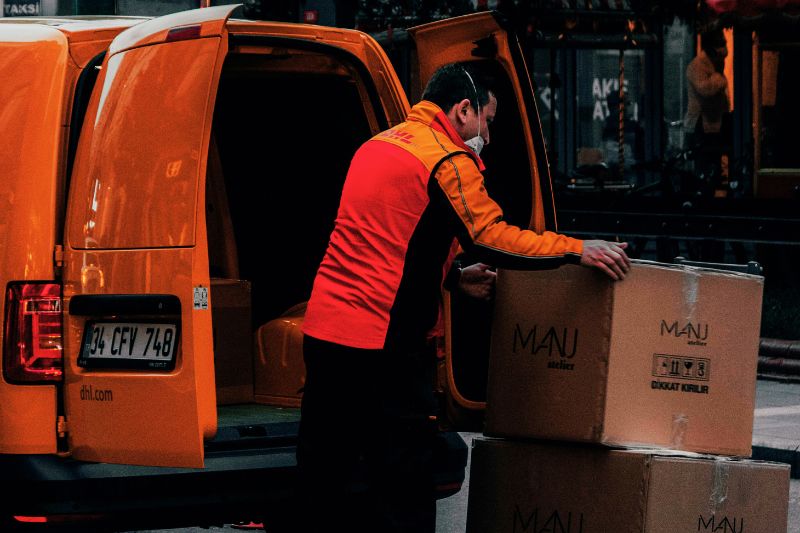
(C): Unsplash
Same-day delivery has become a powerful selling point in modern e‑commerce, promising shoppers near-instant gratification. Behind this convenience, however, lies a hidden cost often paid by warehouse workers who keep the system moving. As platforms speed up logistics, warehouse labor rights are increasingly under strain, with intense productivity targets, surveillance technologies, and precarious contracts shaping daily reality. The injuries, burnout and job insecurity are typical of fulfillment centers that are geared towards speed as opposed to well-being. Understanding the true price of instant e‑commerce means looking beyond the checkout page to the conditions under which orders are picked, packed, and shipped. For more labour rights insights and workplace updates, visit our Labour Rights page.
The Pressure of Instant E‑Commerce
Instant e‑commerce relies on tightly timed fulfillment operations. Warehouse workers are expected to meet strict quotas, track every movement with handheld scanners, and handle high volumes during sales and holidays.
Such pressure may result in the work of long shifts, short breaks, and the culture of prioritizing speed over safety. By using algorithms to the point of scheduling and performance scores, employees tend to think that they are replaceable and under surveillance at any given time, which makes it more difficult to complain about unsafe or unjust working conditions.
Labor Rights at Risk in Warehouses
Warehouse labor rights are frequently tested in this environment. The ergonomic injuries, heat stress, and repetitive strain are mentioned in reports in various countries as frequent problems. Subcontracted and temporary workers might not get access to social protection, paid leaves, or avenues through which they can file grievances.
Read more: 10 Major Challenges Faced By Delivery Drivers Everyday
The organization of unions in certain plants is met with resistance, despite employees wanting to have higher salaries, safer working environments, and more regular time schedules. The gap between corporate branding and on-the-ground reality raises questions about ethical business practices in instant e‑commerce.
Toward Fairer and Safer Fulfillment
Improving warehouse labor rights requires action from companies, regulators, and consumers. Brands can redefine productivity to put an emphasis on safety, invest in ergonomic equipment, and provide workers with a greater control of schedules. Clear audits and worker voice systems can be used to curb the abuses even prior to deteriorating.
Governments can intervene by strengthening labor inspection, minimum conditions of work in the warehouse, and protections of gig and temporary workers. Consumers, too, can influence change by valuing fair labor practices as much as fast delivery, pushing instant e‑commerce toward a more humane model.