khushboo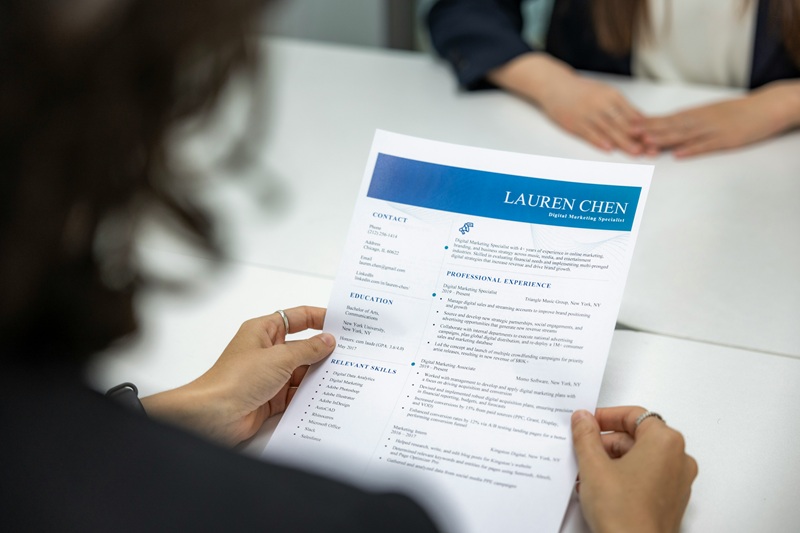
(C): Unsplash
Hiring feels different this year. Companies talk quietly about skills, not degrees. A coder in Pune now competes with one in Toronto. And still, a resume decides the first call. Strange, but true.
Across markets, global job trends in 2025 show a steady pull toward hybrid skills, technical work mixed with people sense. Employers check how fast someone learns new tools and adjusts to time zones. That’s the real edge now.
Read more about odd but high-paying work choices at The Workers Rights: 10 Odd Jobs That Pay Well.
Job Outlook 2025 – Global Snapshot
| Sector | Hiring Trend | Hot Regions | Needed Skills | Common Tools |
| IT & AI | Rising roles in automation and security | India, US, Singapore | Python, cloud ops | AWS, TensorFlow |
| Healthcare | Telemedicine and data records | UK, Germany | Diagnostics, patient data | EHR tools |
| Education | Online teaching and LMS content | India, Canada | Curriculum design | Moodle, Notion |
| Retail & E-com | Last-mile delivery systems | China, UAE | CRM, analytics | Shopify, Zoho |
| Finance | Fintech and risk roles | Singapore, London | Compliance, audit | QuickBooks AI |
Feels like every field now expects digital comfort and common-sense problem solving together. That mix is what recruiters talk about during panels and hiring drives.
To see what makes certain roles the hardest, visit The Workers Rights: Hardest Jobs in the World.
How to Write a Resume That Gets Noticed
A good resume doesn’t scream. It speaks quietly, clearly. Short sentences, clean layout, no heavy words. Recruiters read fast. Ten seconds maybe. The aim is to keep them from closing the file too soon.
- Start with a short profile. Two lines about work area and experience years. Nothing extra. No fluff.
- Keep length under two pages. Long documents tire people. Keep what proves skill.
- Add keywords smartly. Use role-based terms like “data analyst” or “UI designer”. But read it aloud once, should sound normal.
- Numbers matter. “Raised revenue by 22 percent.” That tells a story better than paragraphs.
- Mention tools. Every industry has its own. HR looks for them first.
- Show learning. Short courses, certificates, even YouTube projects count. Shows effort.
- Match each job. Don’t blast the same resume everywhere. Feels lazy.
- Avoid old phrases. “Team player.” “Go-getter.” Outdated lines. Replace with examples instead.
- Add global touch. If worked with clients abroad, say so. Cross-culture skills stand out.
- Personal touch. One small hobby or volunteer note adds warmth. That’s how we see it anyway.
Sometimes a tiny detail, like naming your resume properly, changes everything. Sounds silly until you lose track of it in a shared folder.
Recruiters these days read tone before titles. One manager said, “We spot copy-paste resumes within five lines.” Makes sense. Tone shows effort. Even minor typos hurt less than a cold template.
Remote roles blur borders now. Someone in Delhi handles clients in Paris. Pay may differ, but visibility grows. So does pressure, late calls, strange hours. Still, most say it’s worth it for the freedom.
Personal branding sits next to resume writing today. LinkedIn posts about projects work like live references. But too much posting looks pushy. Balance matters. A clean profile with real work links speaks enough.
Resume Format 2025 and What Still Works
Some old rules stay. Grammar matters. So does spacing. PDF over Word any day. Recruiters often print files to mark notes. A neat two-page layout still wins over fancy graphics. And plain English beats buzzwords. That’s just reality after years in HR rooms.
Sometimes even fonts decide your fate. Calibri, Helvetica, or Roboto, safe choices. And timing helps too. Submitting on weekday mornings keeps you on top of the review pile. Little habits stack up over time.
Work keeps changing, but honest presentation doesn’t age. Those who keep skills fresh and resumes real still get calls first. Global hiring trends 2025 suggest a shift toward clarity, proof and humility in writing. A simple resume, done right, still opens doors. Feels reassuring, doesn’t it?
FAQs
1. What length works best for a resume in 2025?
One to two pages, clear and focused on recent work only.
2. Should photos be used for global applications?
No, except where law or culture expects it. Keep skill first.
3. How often should a resume be updated?
Every six months or after each project worth showing.
4. Is a video resume helpful?
Sometimes. If you speak naturally and keep it under a minute, it works.
5. What’s the common mistake seen in resumes today?
Copying lines from templates without proof or real examples.