khushboo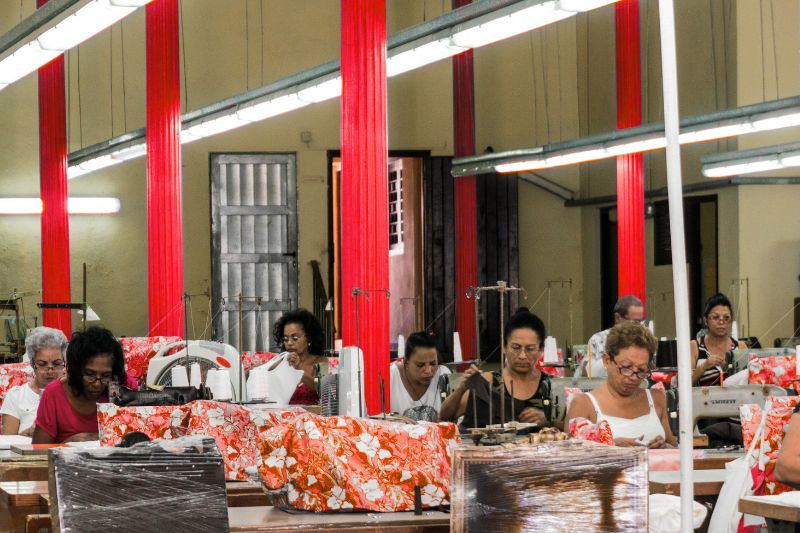
(C): Unsplash
Workers’ rights in the garment industry are the same as gender discrimination because women are 60-80% of the global workforce and still suffer I, exploitation, getting paid less, and violence. Women workers mostly in South Asia like India and Bangladesh live on very low wages, have non-guaranteed contracts, and are even harassed for being women in the male-dominated management. All this creates a situation where inequality flourishes. The issue is that workers’ rights are undermined and the rules of the game are kept the same by the patriarchal system that is why reform is the only way to achieve rather their just treatment. To overcome the barriers, the women will need to acquire union support and demand that both the brands and governments be accountable. For more labour rights insights and workplace updates, visit our Labour Rights page.
Gender Composition and Exploitation
Females hold the majority of the positions in garment factories since they are viewed through the lens of culture as less skilled than men and acceptable for them, yet they still receive almost all the hardships. The women who are hired as casual laborers receive less than what they need to have a healthy life and no schooling for their children; besides, they have no rights at all coming from their employment in terms of security. The poorer women such as Dalits in India, Tamils in Sri Lanka, or migrants, face multiple discriminations like caste-based ill treatment and being put at the very end of the queue when it comes to justice.
Read Also: Women Leaders Driving Change in Global Labor Rights Movements
Wage Gaps and Economic Inequality
Women do perform like men in the same jobs but earn less in return with no pay parity at all as they still make up a large chunk of the workforce. Women also find it difficult to get such benefits like maternity leave or childcare and often have to go without food or take very short breaks under the watchful eye of the male supervisors to keep up with the production quotas. This situation reinforces the gender hierarchy because, in some cases, the raise is given in exchange for sex.
Gender-Based Violence and Harassment
Rampant sexual harassment, verbal abuse, and GBVH occur without punishment, encouraged by male managers who intimidate and exert pressure on women to reach their targets. Reporting cases leads to retaliation such as isolation or firing. Efforts like the Dindigul Agreement in India are aimed at stopping violence through brands’ binding commitments.
Union Suppression and Path Forward
When union rights are suppressed, women lose their power to collectively bargain which results in more and worse abuses. The ways out include legally binding agreements, human rights due diligence, and worker-led reforms for living wages and safe conditions. Brands should be accountable for the supply chain, not just for voluntary audits.