khushboo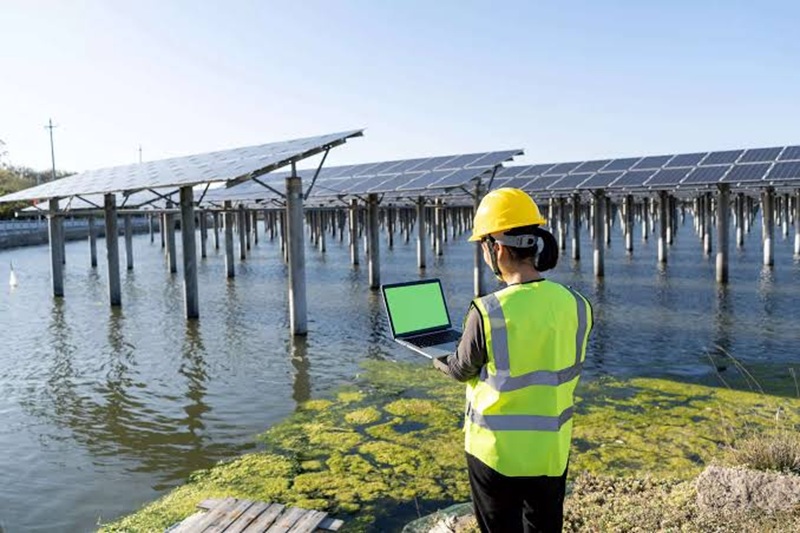
(C): Twitter
Climate change is transforming the world workforce with extreme weather, heat stress, and changing job requirements, with business losses estimated at 2-3 percent per degree over 20 °C and up to two point four trillion dollars in the global economy by 2030. Future of Jobs Report 2025, released by the World Economic Forum lists climate mitigation and adaptation as two of the most transformative trends, with the increasing need of green jobs such as renewable energy engineers, and the decreasing need of others, in the context of geoeconomic tensions. Employees have to deal with physical risks, challenges related to mental health, such as climate anxiety, and skills gaps, and 39% of the skills would be obsolete by 2030. Upskilling, tough policies, and employee intervention are needed to protect livelihoods in this dynamic environment.
Physical and Health Risks to Workers
Outdoor and indoor workers are exposed to extreme heat, floods and air pollution, and out of the approximately 70 percent of the global workforce, ILO estimates that 70 percent of them are threatened by climate hazards. Disasters cause heat stroke, dehydration, and mental strain, leading to decreased productivity and deteriorated absenteeism. Companies should introduce heat protection, which is required breaks, water replenishment, and flexible working hours, and incorporate climate warnings into the OHS plans.
Emerging Green Job Opportunities
Climatic tendencies end up generating net job growth of 78 million by 2030, with focus on environmental engineering, autonomous vehicles, and stewardship. The skill gaps in 63% of business transformations limit demand in resilience skills such as creative thinking and agility, which are in high demand, and 85% of employers believe they should invest in upskilling.
Employer and Policy Preparedness
Businesses are on the frontline by investing in weatherproof infrastructure, air filtration, and mental health assistance, 58 percent of employees want the businesses to do more. Governments have to increase training and social protections, because the effects of climate increase shortages in the workforce, particularly in the health sectors that require 11.1 million additional workers.
Worker Readiness Challenges
Most of them are unaware and the risk in productivity is undermaned by the society. Gig and vulnerable employees should be specially reskilled to make green transitions.