khushboo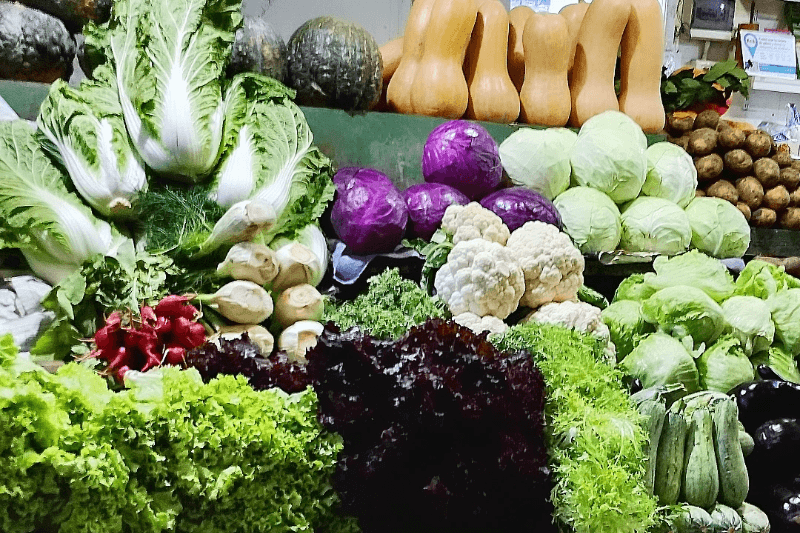
(C): Instagram
Economic difficulties and increased prices in Argentina have forced most of the households in Buenos Aires to seek cheap food sources. In response, local groups and community organizations have started free community food markets in neighborhoods such as Flores to help residents cope with inflation. These programs provide free vegetables and fruit, and staple groceries to needy families that are finding it hard to make ends meet.
The programs highlight the growing importance of Buenos Aires food aid programs and neighborhood solidarity networks. Due to inflation and hence buying power in most parts of the country, most of the residents are depending on community kitchens and food distribution centers to ensure that they are able to secure food. In areas like the Flores neighborhood food support, volunteers, and local organizations are stepping in to ensure families have access to essential nutrition.
Free Community Food Markets Supporting Residents
The rise of free community food markets reflects the increasing demand for food assistance in Buenos Aires. There are numerous markets where recovered produce from wholesale markets and donations from local farmers and retailers are distributed. Initiatives to retrieve edible foods at the markets and redistribute them to the social programs can also aid in cutting down on waste and providing a means of sustenance to the families in need.
In Argentina, it has been reported that millions of people will rely on food banks and community kitchens because prices have gone up, and people are under economic strain.
These markets usually run every week in the squares or neighborhood centers, and do not charge for the fruits, vegetables, and necessities. The initiative demonstrates how Buenos Aires food aid programs can strengthen local resilience during economic instability.
Flores Neighborhood Food Support Initiatives
The Flores neighborhood food support efforts are particularly important because the district is a densely populated area of Buenos Aires with diverse communities.
Local volunteers, churches, and social organizations collaborate to organize food distribution events. These initiatives not only provide groceries but also create community spaces where residents share information, support each other, and access additional social services.
By combining donations, recovered produce, and volunteer networks, these programs help reduce hunger and improve food accessibility for families affected by inflation.
Official Social Media Post
FAQs
1. What are free community food markets?
These are local initiatives where donated food is distributed to residents at no cost. They aim to help families facing financial hardship.
2. Why are these markets growing in Buenos Aires?
High inflation has reduced purchasing power for many households. Community markets provide an emergency support system for basic food needs.
3. How do Buenos Aires food aid programs get their supplies?
Many programs receive donations from farmers, wholesalers, supermarkets, and food recovery projects that prevent edible food from going to waste.
4. Who can access the Flores neighborhood food support programs?
Generally, any resident in need can participate. These initiatives prioritize vulnerable families, elderly residents, and unemployed individuals.
5. Are these markets permanent initiatives?
Some operate weekly or monthly, depending on donations and volunteers. Many groups aim to expand them as economic conditions require ongoing support.