 kritika

(C): X
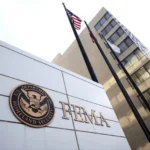
Employees of the Federal Emergency Management Agency (FEMA) have been instructed to work from home on Nov. 19 after the agency’s Washington, DC headquarters office was infested with bed bugs. The case highlights the impact of a Bed Bug infestation on staff and what employees should know when conditions in an office are unsafe and a building is closed.
Key Highlights
- Over 1,000 FEMA employees went to work remotely while FEMA headquarters was being fumigated.
- By Nov. 19, there were reports of Bed Bugs on several floors.
- A pest treatment was ordered with much urgency and on a building-wide basis the night before, via agency e-mail.
- There will be no return date at this time, and more information will be given once the problem is resolved.
- At the time of this report, neither FEMA nor the Department of Homeland Security had commented.
What Happened at FEMA
Quartz reports, based on information from CNN, that the leadership of the agency sent an email to their employees on the evening of November 18, announcing that the FEMA office would be closed for treatment. The message referred to the necessity of the step for an ongoing pest problem and to protect personnel. It did not indicate employees’ return dates.
The Bed Bug infestation comes at a challenging time. CNN called it the “next disruption” for an agency that has been beset by almost two years of turmoil, including a brief deployment following a nationwide flight ground stop that several officials said was a “waste of resources.
What Happens When an Office Has Bed Bugs?
Although bed bugs are not known to transmit disease, they do inflict itchy bites, lost sleep and real anxiety. Bed bugs can also spread rapidly in private workplaces or federal office buildings if not controlled because they can be easily transported in bags, clothing and furniture.
One of the common answers is:
- Inspecting affected floors, frequently using trained detection teams.
- Charging the room with chemical or heat treatment.
- Repeat inspections to ensure that the issue has been resolved.
- Communicating when it is safe for employees to return.
Workers’ Rights During a Closure
Once FEMA staff are forced to leave, they are soon asking themselves the following question: Will I get paid? Where do I work? When do I go back? Employers should, generally, ensure that the workplace is free from recognised hazards. In the United States, the baseline is established by the Occupational Safety and Health Administration (OSHA), which governs most private employers, and federal agencies have their own safety programs. For employees, pay during a closure will depend on the employer, the contract and the circumstances – please contact HR or your union representative for details.
Employees also inquire about their right to be denied entry into an unsafe building. Rights of refusal are limited and typically apply only to dire, real threats. Bed bugs, for example, are pests that usually don’t fit that bill. It’s best to complain in writing and follow the employer’s process.
Employer’s Duty to Care for Workplace Safety
It is the employer’s responsibility to provide a safe workplace. This includes keeping the office clean and pest control. It is about good employers, good communication and a clear plan. Good practice involves:
- Prompt action on pest information reports.
- Engaging the services of licensed pest control services.
- Providing telework or relocating workers during workplace hazards.
- Providing regular updates and timelines.
This approach is the one taken by FEMA for its employees, with the exception that the agency has not been given a date to return to the workplace.
For employees, here are some practical tips:
- Document everything. Record the location of insect bites or sightings, dates and photographs.
- Notify in writing to supervisor, facilities or safety officer.
- Inspect clothing and bags before entering home.
- Inquire about pay, leave and remote work during the lockdown.
- If bites cause reactions or infection, seek medical attention.
The Bottom Line
The FEMA closure is a reminder that employee health and workplace safety rely on quick response and effective communication. If an office becomes unsafe, employees must know what they can report, discuss the issue of pay, remote work and what they can expect from their employer when the problem is being addressed, and they are kept informed.
Federal Job Changes Every Worker Should Understand
1. Can Fired Federal Workers Get Reinstated?
Find out whether wrongfully terminated federal employees can recover their jobs and claim back pay.
2. What Does DOGE’s Leave Cost Mean?
Uncover how the $9.5 billion paid leave cost could affect federal workers in 2026.
3. Could TSA Privatization Reduce Airport Security Pay?
Explore how private airport security jobs may compare with federal TSA salaries and benefits.
4. Who Faces Risks From Federal Job Reforms?
Check out which federal employees could be affected by proposed civil service reforms.
5. Which Federal Workers Face Layoff Risks?
Discover which employees may be most vulnerable to federal workforce cuts in 2026.