khushboo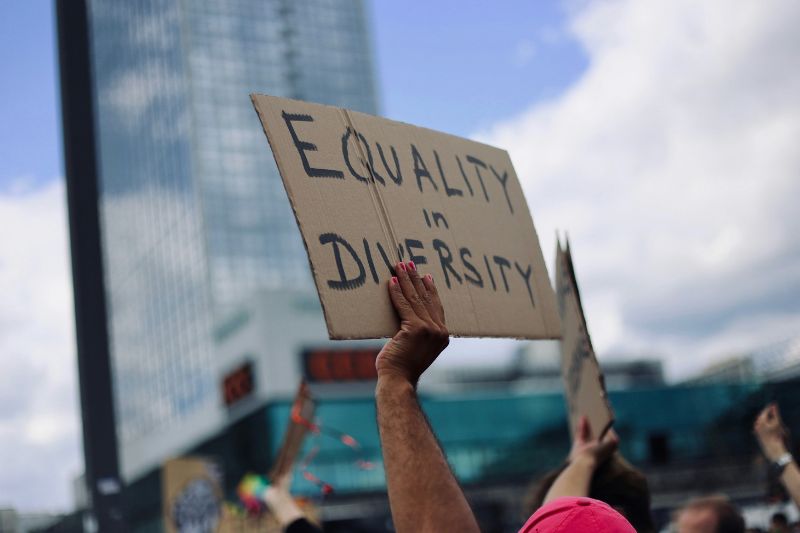
(C): Unsplash
In the modern globalized world, diversity and inclusion have ceased to be more than moral principles — they are essential to advancement and creativity. Representation will help to observe, listen to, and appreciate the variety of people with different backgrounds, gender, and abilities. It produces places of work, living communities, societies that mirror the world in which we exist. Diversity fosters creativity, builds empathy, and the walls of prejudice start crumbling when different opinions are considered and represent all parties involved in the decision-making process. When we can discover the reason why representation is important, then this will guide us towards a more equal, inclusive future where we all have a chance of prospering. Know the latest in rights and freedom. Follow our human rights news feed for verified reports and thoughtful analysis.
The Power of Representation
Representation does not just mean being seen but heard in areas where decisions will be made. Having individuals identify themselves in matters of leadership, media or education, makes them feel inspired and well belonging. Multicultural representation is a challenge to stereotypes and is a way to change the perception, so that no one story is in vain.
Diversity Drives Innovation
Inclusion promotes team building amongst individuals of diverse opinion which results in enhanced creativity and problem solving. Research indicates that multicultural teams are better innovators as well as flexible. Companies that comply with diversity are able to tap into a wider pool of ideas and experience that drives development and affirmative change.
Social and Workplace Benefits
Inclusive conditions enhance morale, teamwork and productivity. When the employees feel represented respectfully, they become more engaged and motivated. Diversity also helps raise communication and understanding which leads to harmony in multicultural societies. Inclusion based schools, businesses and governments are a measure of genuine power of humanity- oneness in difference.
Overcoming Barriers to Inclusion
Even though some steps are made, such issues as unconscious bias, unequal opportunities, and ignorance are still present. The solution to these is to ensure organizations adopt equitable recruitment, encourage diversity education, and amplify the investments of the marginalized group of people. True inclusion is a continuous effort, understanding, and communication to bring about a change.