khushboo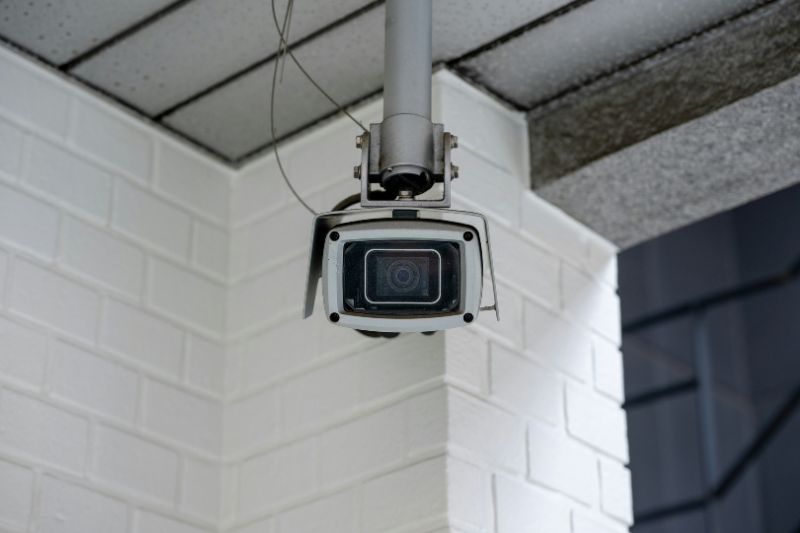
(C): Unsplash
In a world increasingly driven by technology, digital authoritarianism is becoming one of the biggest threats to global freedom and privacy. Governments and state-backed actors are exploiting AI-based surveillance tools and spyware technologies to monitor citizens, shape public opinion, and suppress dissent. What was once limited to physical control has now evolved into algorithmic governance — a realm where human rights laws lag far behind technological realities. This muted change contests the very basics of transparency, consent, and the right to individual choice and calls upon legal establishments to reconsider the way in which they address the human rights of the digital.
The Rise of Digital Authoritarianism
The online environment has provided ample space to authoritarian governments to flourish across borders. Sophisticated spyware like Pegasus and AI facial recognition programs allow states to gather personal data at scale. The tools allow governments to monitor journalists, activists and political critics without being answerable. With increased surveillance, the authority between subjects and state is greatly skewed towards those who possess the data and thus, there is a risk that the balance may be put at a dangerous point.
Read more: When Algorithms Decide Freedom: Are AI Surveillance Systems Violating Human Rights?
Human Rights Under Digital Siege
Human rights law was designed during an era of limited technological interference. Today, privacy breaches and algorithmic biases undermine core rights such as freedom of expression and assembly. International bodies struggle to respond, exposing the urgent need for updated frameworks that recognize digital privacy as a fundamental human right. Without reform, AI surveillance could institutionalize discrimination and permanently erode civilian protections.
The Legal and Ethical Crossroads
Balancing national security, ethics, and privacy in the digital age is increasingly complex. Even democracies are embracing the use of surveillance software to combat fake news and radicalism – sometimes it is difficult to draw the line between protection and trespassing. The absence of international control gives the opportunity to use authoritarian methods without control in the name of technological advancement. This move marks the beginning of the new era of AI-enhanced digital control when the legislation should be modified to protect the freedom in virtual environments as much as in real life.
Disclaimer: Stay informed on human rights and the real stories behind laws and global decisions. Follow updates on labour rights and everyday workplace realities. Learn about the experiences of migrant workers, and explore thoughtful conversations on work-life balance and fair, humane ways of working.