Freelance writer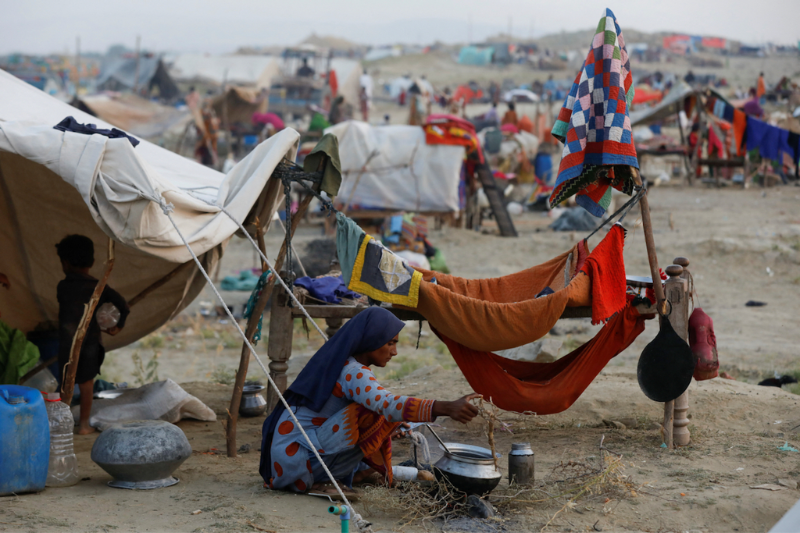
Climate change has turned into one of the greatest threats the planet and its residents have ever faced.
Climate change has turned into one of the greatest threats the planet and its residents have ever faced. The crisis has been elevating average global temperatures to unprecedented levels and triggering natural disasters such as storms and floods of higher intensity.
The number of people fleeing climate change has risen exponentially in recent years. Yet, most of these people are not recognised as climate refugees because the 1951 Refugee Convention does not recognise the environment as a prosecuting agent.
The media and advocacy groups often refer to climate migrants, or people on the move in relation to droughts and other issues, as climate refugees. But since these people are not considered refugees in legal terms, nations have no legal obligation to grant them entry.
Climate migration is real: A brief insight into it
There are no reliable estimates of the number of people on the move today or in the future due to climate stressors. The reason for this is the difficulty untangling the reasons for migration and a lack of official figures on internal country movement.
Most of the time, places that experience environmental disturbances are also affected by conflict situations, political instability, insufficient economic development and human rights abuses, together cooking up the perfect recipe for concerning migration levels.
Climate migration is real. People on the frontlines of climate change are already compelled to leave homes for places that seem to be better at the moment. Imagine fleeing your home country because of rising sea levels or poor food production due to droughts.
Is exclusion of climate refugees from refugee status unjustified?
The brutal climate crisis is triggering environmental degradation on an unprecedented scale. The degradation takes many forms. This, in turn, leads to overpopulated cities, loss of employment, poverty, famine and conflicts, as resources start becoming scarce.
Many of the affected seek refuge in neighbouring countries. Yet, the nations these vulnerable people flee to as asylum seekers are under no legal obligation to grant them entry, and many of the individuals are forced to return to their country of origin.
Several experts argue that exclusion of climate refugees from refugee status is unjustified. The problem of the climate refugee has so far been treated as a peripheral issue. This attitude could be the reason behind climate migrants not being considered climate refugees legally.