writer ss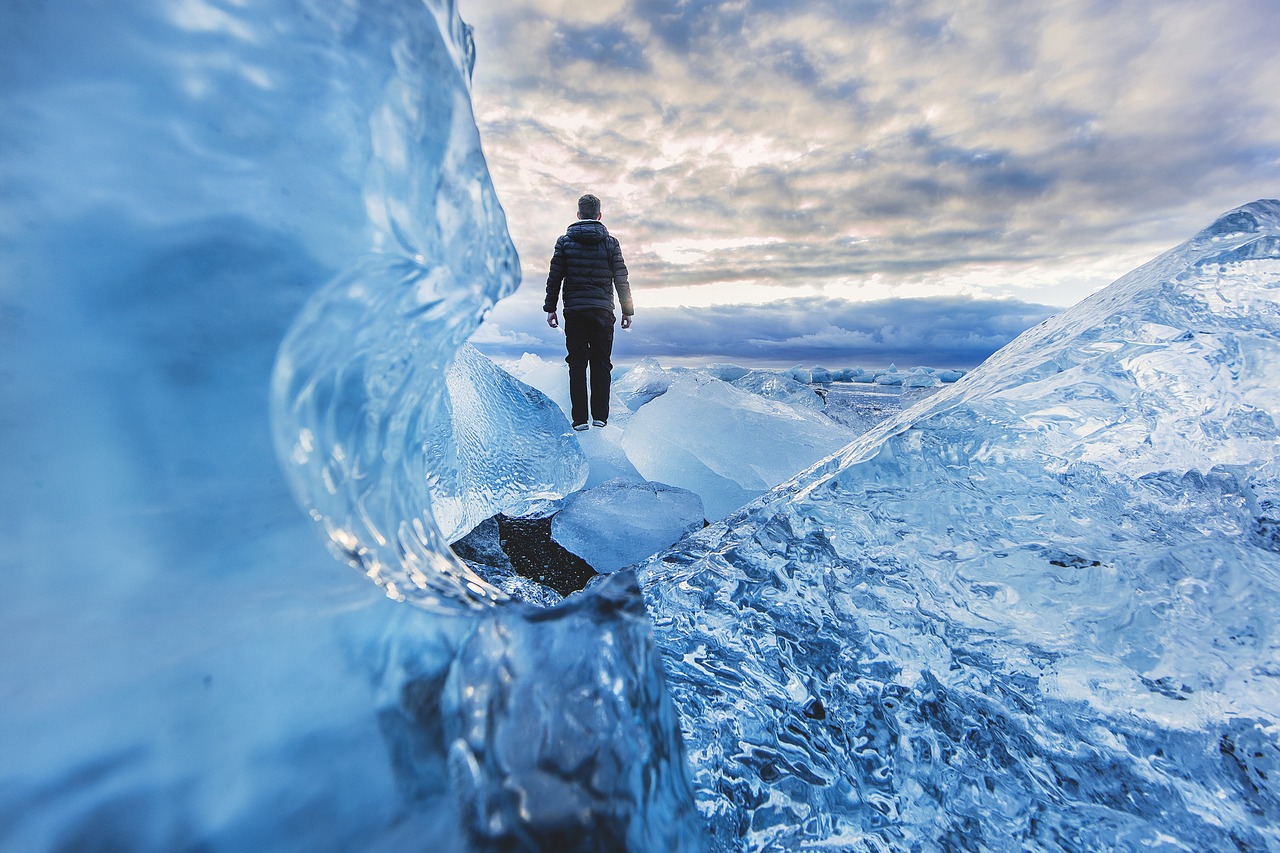
braving the bitter cold the grueling world of ‘vymorozka’
In the freezing lands of Siberia, there is a job that tests how much a person can take – ‘vymorozka.’ This very difficult work involves workers dealing with temperatures as cold as -50°C to chip away at ice stuck to ships, so areas that need fixing can be seen. Even though it is so cold, these strong workers find warmth when they are done with a hard day’s work, and keep going with the challenges.
Vymorozka: A Job That Shows How Strong People Can Be
The ‘vymorozka’ job, which means ‘freezing out,’ shows how tough humans can be. For weeks at a time, workers in Yakutia, Russia’s largest area, deal with a bone-chilling cold, carefully chipping away at the ice-covering ships. Each hit with the pickaxe needs to be exact, because one mistake could lead to big problems.
The Reality of the Cold
With care like artists carving ice, these laborers chip away at the frozen outsides of ships, revealing areas that badly need repair. Every swing of the pickaxe needs to be precise, because one wrong move could ruin everything. The work requires not only stamina and strength, but also extreme precision, because cutting through the ice too fast could make the carved out area sink, making the work useless.
A Battle of FeelingsIs ‘vymorozka’ one of the hardest jobs in the world?
In the job of ‘vymorozka,’ being successful depends on having strength, being precise, and being determined. When it gets colder, the ice freezes better, which makes the job easier. But the cold can be too much for some workers to handle. Negative feelings can start creeping in, tempting them to leave and go home for food and rest.
Other Very Hard Jobs in the World
Fire fighters – These people risk their lives to help save others. They deal with huge, extremely hot fires that are very dangerous. Their job is extremely difficult and they often work for many hours under a lot of pressure and stress.
Military Personnel – From war zones to keeping peace, military workers face constant danger. Their jobs are very physically hard. They go through a lot of emotional stress while protecting their countries.
Oil Rig Worker – Working long shifts in remote and dangerous offshore places, oil rig workers risk accidents, harsh weather, and getting very tired.
Lumberjack – Cutting down huge trees in dangerous areas, lumberjacks deal with the outdoors, heights, and risk of injury from heavy machines and falling trees.
Deep-Sea Fisherman – These workers spend many weeks or months out at sea. They deal with very bad weather, being all alone, and the constant danger of working on rocking ships.