khushboo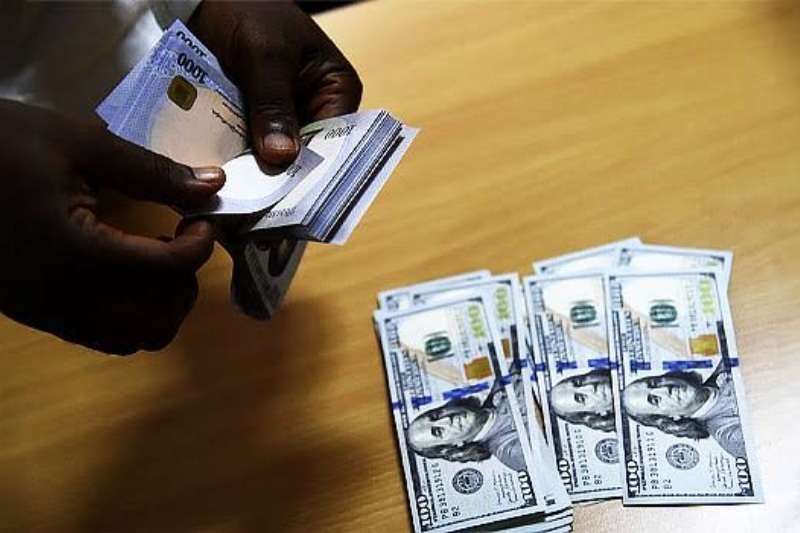
(C): Twitter
At Murtala Muhammed Airport this morning, the currency board flickered with numbers that drew a few raised eyebrows. The naira, which many Nigerians have watched tumble for months, looked steadier against the dollar, pound, euro, and Canadian dollar. Some travelers heading out of the country whispered relief, others shook their heads, still cautious.
According to the Central Bank of Nigeria (CBN), today’s official figures showed the naira trading at about ₦1,531.57 to one US dollar. Against the British pound, the figure stood at ₦2,064.25. The euro settled at ₦1,789.18, while the Canadian dollar slipped to about ₦1,140. These rates are not dramatic shifts, but in a market where every drop matters, they caught attention.
Current Official Exchange Rates Breakdown
The CBN release gave a clear window into how the naira performed on the Nigerian Foreign Exchange Market. For the US dollar, the rate eased from the previous ₦1,535.47 down to ₦1,531.57. It might sound like a minor adjustment, yet importers dealing in bulk know that even a four-naira cut can alter cost sheets.
The pound also showed improvement. It dropped from ₦2,076.42 to ₦2,064.25. That margin, once multiplied across thousands of pounds in a shipping order, is far from trivial. The euro dipped slightly, from ₦1,794.51 to ₦1,789.18. Even the Canadian dollar softened, quoted at ₦1,140.46, down from ₦1,145.63.
These official rates reflect more than day-to-day trading. They show how the central bank manages liquidity, making sure banks have enough dollars, pounds, and euros to meet demand. The changes may appear small on paper, but they ripple across businesses importing spare parts, wheat, or medical supplies.
Black-Market vs Official Rates
Step outside the banking halls, though, and another reality waits. On the streets of Abuja and Lagos, the black-market traders continue to set their own prices. Small shop owners needing quick dollars, parents paying foreign tuition, and travelers unable to wait weeks for approvals often end up here.
Here’s how the numbers looked today:
| Currency Pair | Official Rate | Black-Market Buy | Black-Market Sell |
| USD/NGN | ₦1,531.57 | ₦1,535 | ₦1,545 |
| GBP/NGN | ₦2,064.25 | ₦2,080 | ₦2,095 |
| EUR/NGN | ₦1,789.18 | ₦1,800 | ₦1,815 |
| CAD/NGN | ₦1,140.46 | ₦1,150 | ₦1,160 |
The gap tells its own story. While official numbers look more stable, the parallel market demands more. That difference continues to burden those who cannot access official channels. Families wiring school fees abroad end up paying higher, and traders shipping goods into Nigerian markets shoulder costs that spill into prices on store shelves.
Drivers Behind Naira Appreciation
Today’s firmer naira did not appear from thin air. Analysts point first to foreign reserves, which climbed above $41 billion. That pool of dollars gives the CBN room to keep supply flowing. Oil earnings, still Nigeria’s biggest earner, boosted inflows. Add to that the steady stream of remittances from Nigerians abroad, and the official market has had more to work with.
The CBN also leaned on Open Market Operations, selling foreign exchange at intervals to keep liquidity moving. By timing sales when demand spikes, the bank prevented panic buying that often drives the naira downward. The consistency in recent weeks has helped settle nerves, though nobody is calling this a permanent fix.
Sector Impacts & Broader Implications
For businesses tied to imports, these figures matter more than headlines. A car dealer bringing in vehicles from Europe calculates savings when the euro rate slides, even slightly. A manufacturing company buying equipment from Canada finds breathing room in reduced costs. Margins remain thin, but every naira trimmed from the bill eases operations.
Households, on the other hand, feel the pinch differently. Food markets still strain under inflation, with staples like rice and bread costing more than before. Yet a stronger naira can slow fresh hikes, especially on imported products. Students abroad benefit if their tuition can be settled at official rates, though many still end up paying the higher black-market premium when banks delay access. This split system keeps ordinary Nigerians juggling two realities at once.
Looking Ahead: Forecasts & Risk Factors
The near future carries both promise and unease. On one side, reserves are healthier, foreign inflows remain steady, and investor confidence has shown small signs of recovery. If oil prices hold, Nigeria may continue feeding dollars into its reserves. Non-oil exports and portfolio flows could also add weight to the cushion.
But risks never sit far away. Any dip in oil sales or political tremor could undo the progress. Debt obligations abroad also threaten to drain reserves faster than they grow. The black-market premium proves that liquidity still falls short of true demand. Until those gaps narrow, the naira will remain vulnerable to swings.
For now, the official board shows a steadier picture, one that gives importers, businesses, and families at least a pause in the storm. Yet, in markets across Nigeria, people will judge the success not by numbers on a bank release but by the prices they pay tomorrow for bread, fuel, and school fees. That’s the measure that matters most.