Kritika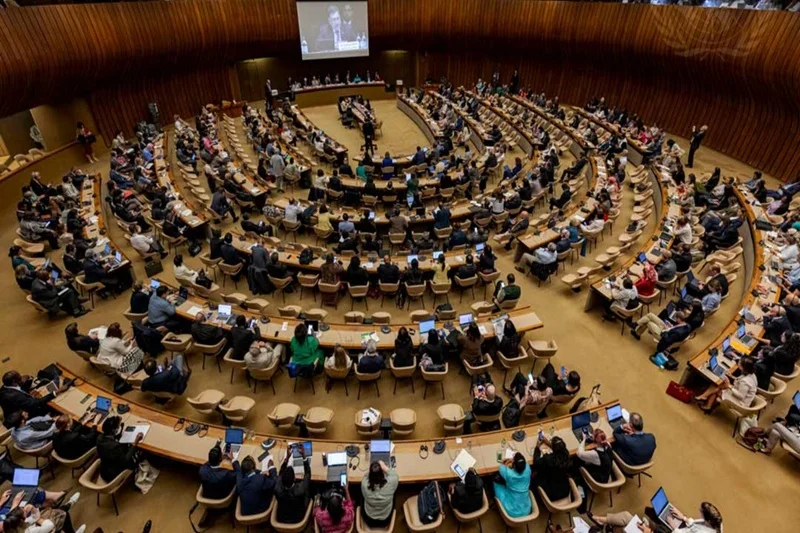
(C): X
The 79th World Health Assembly (WHA) discussed how to improve working conditions, develop equitable recruitment systems, protect health workers in emergencies and strengthen health systems through international cooperation.
The reforms are an important step in ensuring that countries can continue to provide reliable health services, while supporting the professionals who deliver essential care.
New Health Policy Actions To Tackle Global Workforce Crisis
Shortages in the healthcare workforce have emerged as a major challenge for countries of all income levels. Many health systems continue to be under pressure from increasing demand, ageing populations, public health emergencies and limited investment in the workforce.
The 79th World Health Assembly acknowledged that emergency responses. Even if they are temporary, are insufficient to address long-term health care challenges. Instead, governments and international organisations need to prioritise workforce development, improved employment conditions and a more robust healthcare infrastructure.
A new approach is supporting countries to develop long-term strategies that support the recruitment, retention and career progression of health workers.
Who Introduces Fair Recruitment Practices For Health Workers
The assembly adopted important reforms, including strengthening the WHO Global Code of Practice on the International Recruitment of Health Personnel.
The new framework is designed to foster a fairer model of global health worker mobility. Instead of aggressive recruitment practices that can weaken healthcare systems in developing regions, destination countries are encouraged to work with countries of origin.
The policy encourages partnerships that work for the benefit of health workers and health systems. Ethical recruitment can help countries build a more stable workforce and provide professionals with better career prospects.
Better Protection And Conditions For Care Workers
The 79th World Health Assembly also put greater emphasis on protecting care workers, including those in demanding health-care settings.
The updated policies acknowledge the need for protecting health care professionals in the event of pandemics, disease outbreaks and other public health emergencies, and these protections are designed to make workplaces safer, reduce occupational hazards and improve the wellbeing of workers on the front lines.
Better working conditions are seen as essential to keeping a motivated health-care workforce. Safe environments, fair treatment and proper support systems can help to reduce staff shortages due to burnout and workforce migration.
Emergency Care Strategy Bolsters Global Healthcare Systems
A further significant development was the adoption by the assembly of the Integrated Emergency, Critical and Operative Care Strategy for 2026-2035.
The approach is aimed at addressing inequalities in health care, especially in countries with limited access to emergency and critical care services. The idea is to increase frontline services through more training, infrastructure and availability of staff.
This action is part of the development of sustainable systems of emergency care for effective response to health crises.
Digital Health, Ai To Spur Healthcare Growth
There was also a recognised need to bring technology into the future development of health care. WHA Resolutions called for the responsible use of artificial intelligence and advanced digital health solutions.
AI tools may help health workers understand data such as health trends and patient safety systems. Digital platforms can also help to plan the workforce and manage healthcare.
The Assembly stressed, however, that technology should be an additional layer on top of the skills of health care professionals, and not a substitute for human expertise.. Responsible implementation is necessary for ethical and effective use.
Health Workforce Planning: International Cooperation As A Foundation
The reforms passed at the 79th World Health Assembly underline the need for cooperation among governments, health care organisations and international institutions.
The issues around the health workforce are often cross-border in nature and require coordinated solutions. Countries that send and receive health workers are urged to develop balanced policies that protect the professionals and strengthen health services.
Future emergencies will be better handled if we work together globally to build stronger health systems.
Investing To Strengthen Health Systems For The Long Haul
Healthcare resilience is not about knee-jerk reactions in the face of crises but sustained investment, health experts say. Key steps include bolstering primary healthcare, improving the training of the workforce, better disease surveillance and supporting local health product manufacturing.
The 79th World Health Assembly in 2026 will likely usher in reforms that will make health planning more proactive. The global health community is poised to build more reliable and sustainable health care systems, with fair recruitment, protection of workers, emergency preparedness and harnessing the power of digital innovation. These policy changes are part of the commitment to support health workers and communities around the world to access quality health care services.
Stay informed on global healthcare changes.
Are Japan’s New Rules Enough?
Check out the latest healthcare worker safety reforms.
Can Migrants Get UK Healthcare?
Find the latest healthcare access updates for migrants.
Why Are Nomads Losing Coverage?
Uncover why healthcare benefits remain a major concern.
Which Countries Offer Free Healthcare?
Browse countries providing free healthcare for workers.
How Is AI Changing Healthcare?
See how AI is transforming modern healthcare services.