khushboo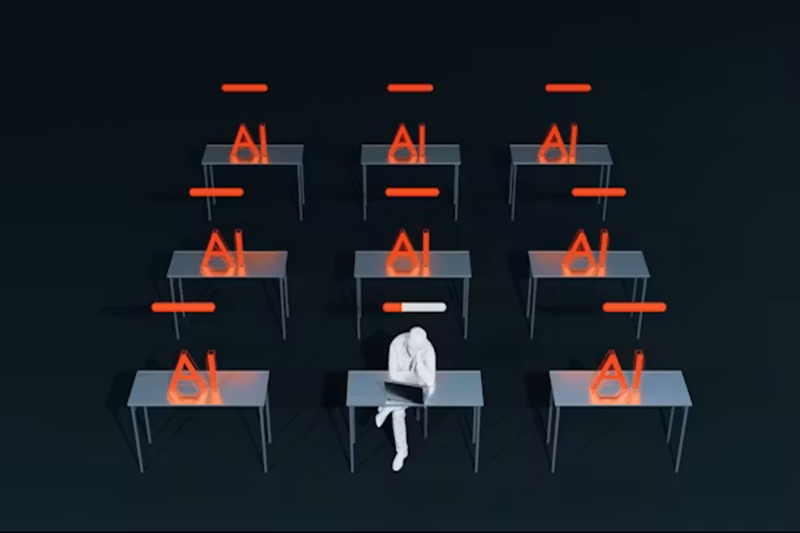
workplace burnout 2026
Workplace burnout in 2026 is turning out to be an issue of significant concern among corporate workers because of its continuous connectivity, hybrid work stress, and expectations. It is not merely a stress, it is a condition of emotional, mental and physical burnout which directly affects productivity and health. As there is a lack of differentiation between work and personal life, most professionals are finding it hard to balance.
What Is Workplace Burnout?
Burnout at the workplace is a syndrome that arises due to the extensive work stress. It causes loss of motivation and energy and performance. However, as opposed to temporary stress, burnout has long-term implications that may arise unless appropriately managed.
Why Burnout Is Increasing in 2026
Always-On Work Culture
Employees are expected to stay connected even after working hours, increasing stress and fatigue.
AI and Performance Pressure
Advanced tools have raised productivity expectations, creating pressure to perform constantly.
Hybrid Work Challenges
Working from both home and office makes it difficult to set clear boundaries and routines.
Signs of Workplace Burnout
- Emotional Signs
Lack of motivation, irritability, and feeling overwhelmed
- Physical Signs
Fatigue, headaches, and sleep issues
- Performance Issues
Reduced productivity, lack of focus, and disengagement
Practical Steps to Handle Burnout
- Set Clear Boundaries
Define fixed work hours and avoid after-work communication
- Take Regular Breaks
Short breaks help refresh the mind and improve focus
- Prioritize Tasks
Focus on important work instead of multitasking
- Maintain a Healthy Routine
Ensure proper sleep, regular exercise, and balanced nutrition
- Communicate at Work
Discuss workload concerns with managers or HR
Read Also: How to Recover from Workplace Burnout: Proven Strategies for Healing
Read Also: Stress, Burnout, and the Right to a Healthy Workplace: Why It Matters
FAQs
1. What is workplace burnout in 2026?
Workplace burnout is a state of mental, emotional, and physical exhaustion caused by prolonged stress and high work demands. It is becoming more common due to hybrid work and constant digital connectivity.
2. What are the main signs of burnout?
Common signs include fatigue, lack of motivation, irritability, and reduced productivity. Physical symptoms like headaches and sleep problems are also frequent.
3. Why is burnout increasing among corporate employees?
Burnout is rising due to always-on work culture, AI-driven performance pressure, and poor work-life balance. Hybrid work models also make it harder to disconnect.
4. How can employees manage workplace burnout?
Employees can manage burnout by setting clear boundaries, taking regular breaks, and maintaining a healthy routine. Open communication with managers also helps reduce workload stress.
5. When should someone seek professional help for burnout?
If burnout leads to anxiety, depression, or long-term exhaustion, professional support is necessary. Early intervention can prevent serious mental health issues.