khushboo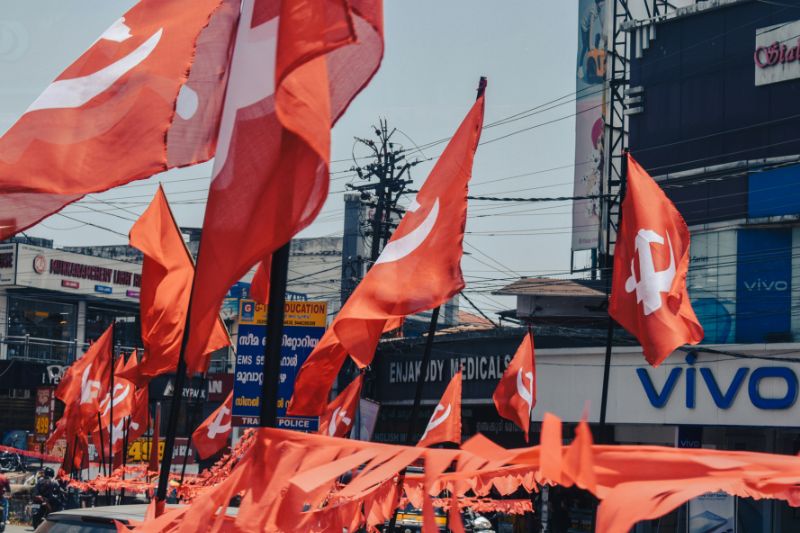
(C): Unsplash
A factory siren still cuts the morning air in Okhla. Phones buzz on shared cabs headed to Gurugram offices. In both places, workers’ unions set guardrails on pay, hours, and voice. The point is simple. Workers’ unions anchor labour rights and collective bargaining in a noisy, changing economy. For more labour rights insights and workplace updates, visit our Labour Rights page.
Understanding What Workers’ Unions Represent Today
Workers’ unions are member-run bodies that bargain with employers on wages, work hours, leave, and safety. They mediate disputes, record grievances, and keep a paper trail when things get messy. In services, unions now track overtime for night shifts and call-centre stress norms. In manufacturing, they push maintenance windows so machines do not run hot. The idea is not theory. It is practice measured in payslips and rostering sheets. Trains, data centres, hospitals, ports. Unions sit in the room and ask the hard questions. That’s how it works, mostly.
How Unions Strengthen Worker Power and Representation
- Collective bargaining converts scattered complaints into one negotiable list, with timelines and sign-offs.
- Shop-floor committees monitor schedules, heat levels, decibel limits, and PPE compliance.
- Disciplinary action gets a fair hearing, not a quick exit under a polite email.
- Wage talks factor inflation, skill ladders, night allowance, and travel costs, not just a blanket hike.
- A small but real thing. Pay slips arrive on time when someone keeps count.
The Economic and Social Impact of Workers’ Unions
Union coverage tends to lift base pay and stabilize increments. It narrows gaps between grades so entry-level staff are not stuck on crumbs while supervisors leap ahead. Communities feel it in rent paid on time, groceries not bought on credit, school fees not delayed. The benefits go quiet but steady. Fewer last-minute resignations. Fewer midnight calls begging for a shift change. Hospitals see lower injury spikes where safety audits run on schedule. It is boring to some, but this is how living standards move, one payslip at a time. That is the point anyway.
Unions and the Future of Work
Automation, AI scheduling, gig platforms. The workday looks tidy on a dashboard, but the person behind the ID still takes the metro in humid air. Unions are learning the software, reading algorithmic rules, and asking for audit rights. A delivery rider group in Pune now logs peak-hour heat alerts and requests cool-off breaks. IT help desks ask for weekly meeting notes to record ticket loads per head. Remote teams flag keyboard monitoring or call-time thresholds. Small steps, yes. Still better than silent burnout.
Obstacles Facing Workers’ Unions in the 21st Century
- Fragmented teams spread across contractors, vendors, and platforms.
- Short contracts that end before organising even starts.
- Legal gray zones around gig status and platform control.
- Perception that white-collar roles do not need collective voice.
- Fatigue. Long shifts drain energy needed for meetings after work. That happens.
How Unions Can Stay Relevant and Evolve
Digital first. Meeting links, bilingual summaries, short explainers on WhatsApp, voting through secure tools, and crisp dashboards that track wage drift, leave accrual, and overtime spill. Next, widen the tent. Include temps, apprentices, and riders who rent the bike for the day. Build partnerships with legal aid and clinics for heat stress, back pain, and eye strain. Keep negotiations practical. Target attendance policy clarity before chasing headline numbers. Fix rostering, then argue pay. Workers notice results, not speeches. That is the shortcut, learned the hard way.
Real-World Examples of Union Resurgence
Below are compact snapshots reported by local desks and industry bodies. Not fancy, just the gist.
| Sector | Trigger | Outcome |
| Food delivery | Heatwave routes, late fees | Cooling breaks added, late fee waiver during alerts |
| Hospitals | Night shift overload | Cap on consecutive nights, cab pickup after 10 pm |
| Warehousing | Injury spikes on weekends | Mandatory stretch breaks, pallet limits, audit posted weekly |
| IT services | After-hours ticket surge | Rotational on-call, comp-off credited within the same pay cycle |
| Metro maintenance | Tool shortage, oil fumes | Tool issue logs, ventilation checks, shorter maintenance windows |
Sometimes the fix is small. A fan moved closer to the packing line. A mask that actually fits. Feels minor, saves days of sick leave.
Why Workers’ Unions Still Matter — Key Takeaways
Workers’ unions translate daily friction into rules that hold. They protect wages, time, and dignity in places that run hot, loud, or just endlessly online. They slow down rash decisions, force a second look at data, and keep the process honest. No slogans. Just files, minutes, signatures.
FAQs
1. How do workers’ unions help staff who fear retaliation for raising issues at work?
They channel complaints through formal committees, log each step, and demand written replies so no one stands alone in a corridor conversation that vanishes later.
2. Can unions support gig or contract workers who are not on standard payroll at all?
They push for platform standards, collective rider charters, and insurance pools that follow the worker across apps, not just one company logo.
3. Do unions slow productivity targets during peak demand periods like festivals or sales?
They ask for realistic ceilings, additional staffing, and safe shift lengths, since burnt teams miss targets anyway and accidents cost more.
4. What happens when management refuses to meet union representatives for months?
Unions escalate through legal procedures, media briefings, and labour offices, while keeping talks open so the door never fully shuts.
5. Are unions relevant for white-collar teams who sit in air-conditioned offices all day?
They negotiate workload limits, fair appraisal criteria, hybrid schedules, and right-to-disconnect rules, because stress does not check dress codes.