khushboo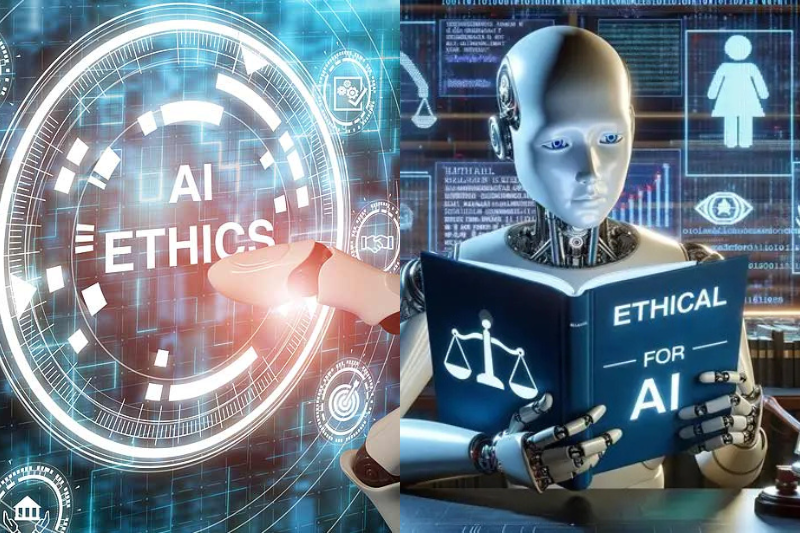
The office feels quieter now. Screens hum, data scrolls, and somewhere in the background, a system is making choices. Hiring lists. Performance reports. Shift allocations. All done faster than any person could manage. But speed brings its own discomfort. The more decisions machines make, the more questions people ask about fairness and judgment.
Across industries, from banking to media, automation has changed what “ethical work” means. The once-simple rule, do your job with honesty, has grown into something bigger: respect data boundaries, question algorithmic bias, protect privacy. The rise of AI in the workplace has made ethics a living, daily test rather than a policy printed in a manual.
The Ethical Crossroads: Human Values vs Machine Efficiency
Machines never hesitate. They calculate, execute, and move on. Humans pause. That pause is where conscience lives. Yet, workplaces often reward speed more than thought.
Take recruitment. A multinational firm used a hiring tool that ranked applicants by language patterns. It soon discovered the software preferred candidates who used assertive words more common among men. No one set out to discriminate, but bias crept in through data. The company quietly scrapped the system.
This kind of mistake repeats everywhere. Efficiency seems harmless until it cuts corners around fairness. A balanced workplace needs both logic and empathy. Data can process; only people can care.
Regulation and Responsibility: Global Efforts to Define AI Ethics
Rules are finally catching up. The European Union’s AI Act now prohibits emotion-recognition tools in offices and bans systems that track worker behavior for scoring. In the United States, the NIST framework pushes companies to document bias testing and risk control. Similar steps are unfolding in Asia and South America, where labor boards are writing codes around algorithmic decision-making.
These efforts aim for one goal: protect the worker before the workflow. Some governments require employers to tell staff when automated systems are used. Others demand a human reviewer for any AI-generated evaluation. The trend is clear—transparency is the new compliance.
Still, laws alone can’t handle every grey area. Ethics grows from daily practice, not paperwork.
The New Moral Dilemmas: Bias, Surveillance, and Autonomy
A quiet tension runs through many offices today. Monitoring tools promise “productivity insights,” but workers know when they’re being watched. Some apps track typing speed, mouse movement, even facial expressions during video calls. The idea sounds efficient. The feeling isn’t.
| Issue | Example in Practice | Ethical Concern |
| Hiring Bias | Screening tools reject resumes with certain phrasing. | Reinforces old stereotypes. |
| Surveillance | Cameras track posture and engagement. | Violates privacy and trust. |
| Predictive Scores | Systems rate “attrition risk.” | Labels employees unfairly. |
| Emotion Detection | Software reads tone or mood. | Misjudges people and invades space. |
When technology watches too closely, people stop being creative. They play safe, speak less, and start working for the algorithm instead of the mission. That’s the quiet damage poor ethics cause—hard to measure, easy to feel.
Redefining Professional Conduct in the AI Age
Professional ethics once meant punctuality and honesty. Now, it means digital responsibility. A manager reviewing AI-generated data must ask: Is this fair? An HR team must check how systems score applicants before using the results. Integrity is no longer just about personal behavior; it’s about how responsibly one handles machines.
Some organizations have started publishing “ethical usage reports.” Others create open forums where employees can flag unfair algorithms. These steps look small, but they matter. They remind everyone that ethics is not a department, it’s a daily habit.
Preparing the Workforce: Education, Upskilling, and Awareness
A workplace can’t be ethical if people don’t understand the tools they use. That’s why many companies now run internal sessions on AI ethics and data awareness.
- Short training programs explaining privacy rights and algorithmic bias.
- Scenario-based discussions on gray decisions at work.
- Open Q&A sessions with policy leads.
- Guidelines that explain how to question or appeal automated results.
Knowledge helps employees keep the system honest. It also keeps fear in check. People stop guessing what machines do when they understand how they work.
The Road Ahead: Building a Culture of Ethical AI at Work
The future of work ethics isn’t about rejecting automation. It’s about taming it. Every company using technology will face the same decision, prioritize profit, or protect fairness. The smart ones will do both.
Trust will become the new measure of success. Workers stay longer in places where they feel seen, not scanned. Clients prefer brands that explain how they use data. The next few years will test who understands that truth.
Machines might run the numbers, but people still define what’s right. Progress will mean less about perfect code and more about imperfect humans making responsible choices in a digital world.