Divyanshu G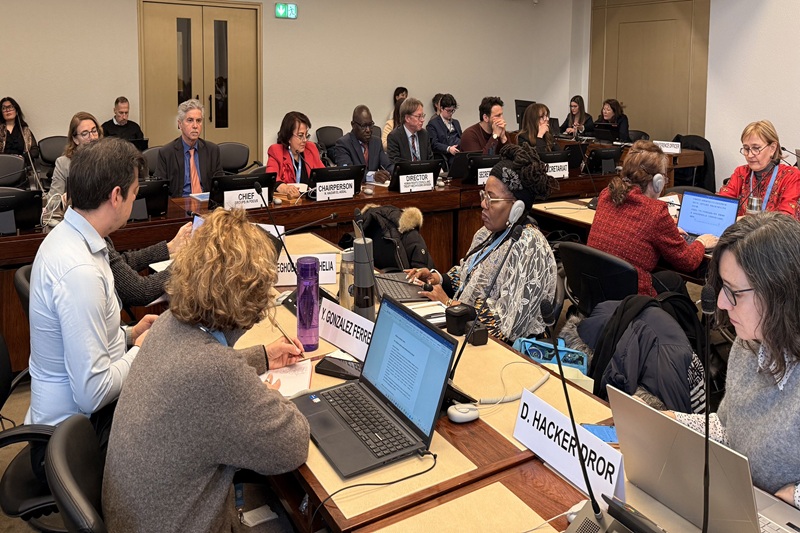
(C): X
Scrutiny on Gender Stereotypes at CEDAW 2026
On February 3, 2026, the CEDAW 2026 session in Geneva saw the UN Committee intensely question Vietnam regarding persistent social norms. While the committee acknowledged legislative progress, such as the 2019 Labour Code, experts grilled the delegation on entrenched gender stereotypes that pigeonhole women as primary caregivers.
The committee observed that the cultural prerequisite of women as homemakers alone despite legal provisions has continued to be an obstacle to substantive equality. Authorities were coerced to come up with certain actions to shatter these patriarchal perceptions in the media and education, and not merely amend labor regulations. The assessment has also indicated that political will has to translate into the change of the popular mindset in order to empower women in all aspects of society.
CEDAW 92nd Sessions starts today for three weeks 📅Feb 2-20, 2026 in Geneva. Session will have constructive dialogues with eight countries🌏 #forwomenandgirls⚖️ Vietnam, Iraq, Lithuania,Netherlands,Argentina,Czech Republic,El Salvador, Lesotho🌏 @UNTreatyBodies pic.twitter.com/OQUmTqZbKX
— United Nations CEDAW (@CedawUn) February 2, 2026
Strengthening Trafficking Victim Protections
A major focus of the dialogue was the enforcement of trafficking victim protections. Scholars expressed apprehensions regarding the realistic application of the 2024 Anti-Trafficking Law. The questions involved the issue of whether the support services were sufficiently financed and made available to the ethnic minorities in the rural regions.
The committee particularly demanded to know whether the prostitution victims should be decriminalized and how they can access justice. The response by the delegation of Vietnam was that almost 23,000 sex workers had received legal and health assistance, but the UN body stressed on more robust and victim-focused rehabilitation systems suppressing re-victimization and imparting safe integration into society.