Dr. Neha Mathur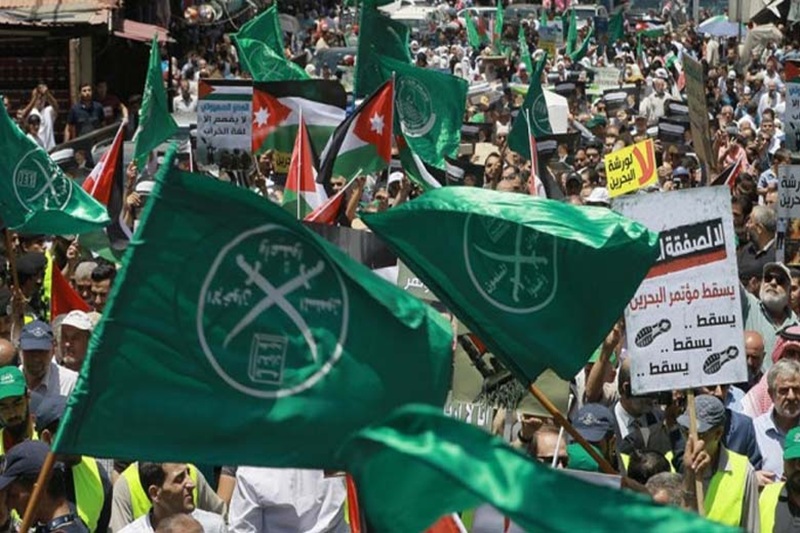
(C): Twitter
n recent years, the United States has grappled with a fraught question: Should the Muslim Brotherhood be deemed a security threat—or respected under the principles of political freedom? This question sits at the intersection of national safety, free association, and the limits of political expression in democratic societies.
Founded in Egypt in 1928, the Muslim Brotherhood began as a religious, social, and political organization. Over the decades, it evolved into a complex, transnational network—formally rejecting the use of violence but not always distancing itself from it.
In the U.S., discussions of formally designating the Brotherhood as a “Foreign Terrorist Organization” (FTO) have surfaced repeatedly—most prominently under the Trump administration and in proposals like Senator Ted Cruz’s 2015 bill.
Critics—including Human Rights Watch, the New York Times, and other civil liberties organizations—argue that a broad FTO designation would paint all associated groups with a single brush, undermining democratic engagement and endangering legitimate political activism.
Civil Liberties vs. Counterterrorism
Human Rights Watch warned that a formal ban might “stifle democracy” at home and abroad, penalizing groups for mere association rather than violent conduct.
Similarly, a CIA intelligence assessment from January 2017 warned that such a move could radicalize moderate elements, weaken allies, and feed extremist propaganda.
A Nuanced Policy Needed
Some policymakers and analysts have suggested a more nuanced approach—distinguishing between peaceful affiliates advocating social welfare or democratic participation and extremist offshoots that do engage in violence.
Such a calibrated policy framework—as opposed to a sweeping ban—could help preserve democratic values while isolating violent actors.
Recent Developments & Human Impact
Recent cases in 2025 illustrate how continued association—even unproven links—can disrupt lives. For example, an imam in Ohio was detained during an ICE check-in, based on alleged ties to a charity linked, but not formally designated, as associated with the Muslim Brotherhood. The community response voiced deep concerns over profiling and chilling effects on civic participation.
The U.S. debate reflects a broader global struggle: how to disrupt extremist networks without eroding democratic freedoms. History and intelligence analysis suggest that overbroad measures often backfire—hardening extremist narratives and alienating communities. A tailored strategy, based on actions not labels, offers a safer, stronger, and more democratic way to navigate this sensitive terrain.