khushboo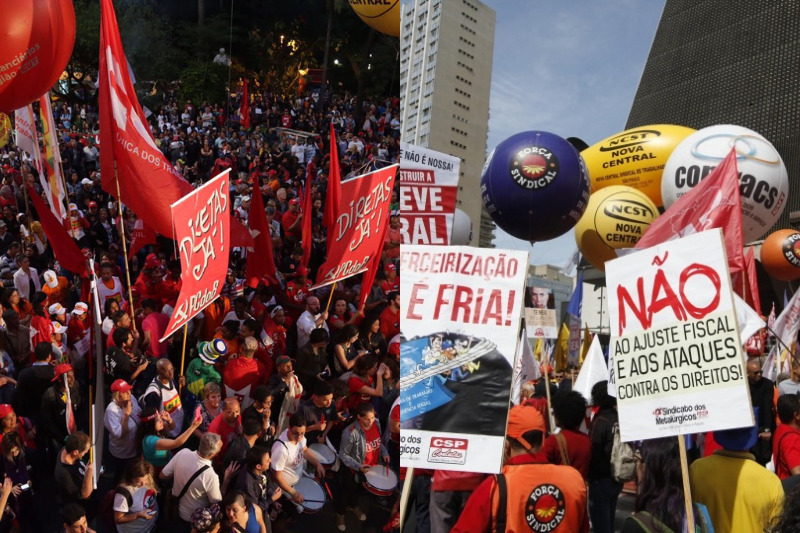
In 2025, the number of organised labour actions is surging in Brazil, and the great number of mega strikes in the public and non-public sectors suggests the increasing employee dissatisfaction with the lack of wage growth, contractual disputes, and austerity provisions.
Unions are mounting pressure on employers and even the government, whether it is tax agency auditors, healthcare workers, or construction crews, as seen in Italy’s 2025 union strikes and Australia’s 2025 protests. Among the developments are growing tensions as the countries struggle with inflation, shortages in public services, and the need to provide improved labour protection.
A list of major strikes in Brazil this year, the cause of them, and their economic and social impact can be found below.
Brazil, 2025: List of Major Strikes
Federal Tax Agency (Auditors) – February
Sindifisco Nacional, which is a group of auditors of the federal tax service of Brazil, initiated a strike action in early February as a result of unsuccessful wage talks. They threatened that an estimated BRL 15 billion of anticipated revenue will be postponed in terms of tax-settlement revenue as a result of the walkout.
Oil Workers at Petrobras – May
On 15 May, the oil-workers federation FUP threatened to take a two-day warning strike at Petrobras on the 15th, alleging that the company was not making progress in salary negotiations but feared its austerity drive.
Healthcare Workers, St. Paul, Brazil – July
Members of the union SindSaúde – SP passed a strike that was due to start on 16 July in the state of São Paulo. They complained about poor increases in wages, low meal allowances, and privatisation.
Construction Workers, Belém (Amazon Region) -September
In September, construction workers in Belém went on strike demanding a 9.5 percent wage increase; the move derailed the preparations for the coming COP30 climate summit and caused the construction of a major leaders’ housing complex to be delayed.
FAQs
What do you think are the principal reasons for the union strikes in Brazil in 2025?
A number of reasons: inflationary stagnation of wages, adversarial labour contracts, company austerity, privatisation issues, and procrastinating negotiations.
What industries are the most impacted by the strikes?
Key industries are tax auditors (government sector), oil and energy (corporate sector), Government healthcare employees (state sector), and construction employees (corporate/infrastructure sector).
What can be the economic effect of these strikes?
The interruptions would also slow down the crucial government revenues (tax settlements), disrupt production in oil or construction, slow the provision of services to the population, and overload already tight public budgets.
What is the response of the employers and the government?
The reactions are different: where some negotiations are endless, others are characterized by unions turning down wage offers. The government and the firms are under mounting pressure to meet the labour needs or risk a mounting disruption.