abi sri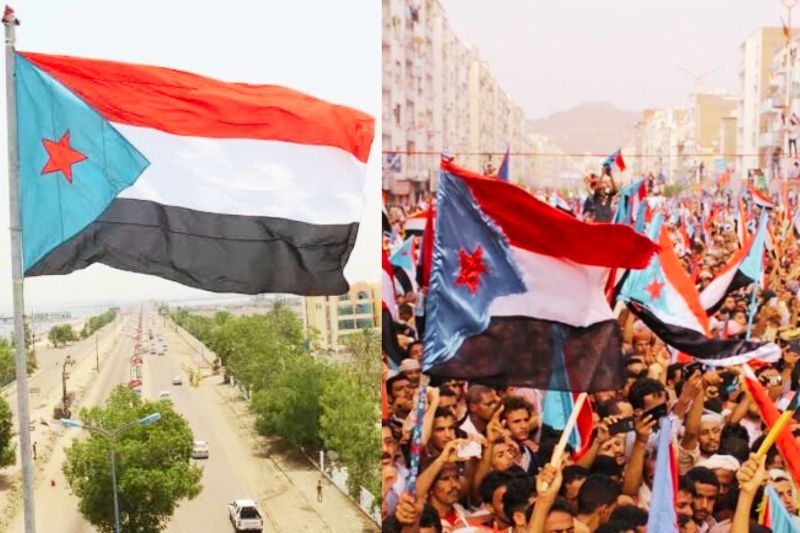
(C): X
I want to be clear from the beginning. The call for a unified South Yemen is not an emotional reaction to the present crisis, and it is not an attempt to reopen old wars. It is the expression of an unresolved political injustice that has shaped Yemen’s instability for decades. As Arabs, we know this truth well: injustices that are left unresolved do not fade away. They return — through protest, anger, and instability. This is how I see South Yemen today.
For many people in the South, the events that followed unification in 1990 were not experienced as partnership or fairness. They were lived as political marginalisation, economic exclusion, and the steady erosion of southern institutions. These grievances were not created by slogans or leaders. They were lived in homes, workplaces, and streets. Ignoring them did not solve anything. It only pushed the crisis forward in time.
Today, when people speak about restoring the South, they are not speaking about revenge or division. They are speaking about justice before reconciliation. Real reconciliation cannot be built on denial. It cannot be built on temporary arrangements that avoid the real issue. It requires honesty — an acknowledgment that the South has a historical identity, a collective memory, and a political reality that cannot simply be erased.
Across Aden, Mukalla, and Hadramout, we see people gathering peacefully. Families, youth, workers, and elders stand together. They are not armed. They are organised, calm, and disciplined. This matters. Peaceful assembly and expression are basic human rights. When people choose this path, it shows responsibility, not chaos.
Read more: Why Yemen’s Crisis Cannot Be Resolved Without Recognizing Southern Unity
Some argue that creating special zones or separating certain regions will reduce tension. But we have seen this approach before in our region, and we know its outcome. Partial solutions often create new divisions. Treating Hadramout or Al-Mahrah as exceptions does not heal wounds. It shifts them elsewhere and weakens the idea of a shared future. Fragmentation is not stability.
Unity, in this context, does not mean domination. It means fairness. A unified South Yemen gives its people the chance to rebuild institutions that represent them, manage their resources responsibly, and take part in shaping their future with dignity. This is not a radical demand. It is a human one.
For decades, Southern Yemenis have lived with the collapse of basic services. Electricity is unreliable. Clean water is uncertain. Healthcare is limited. Jobs are scarce. These are not abstract political issues. They are daily struggles that affect human lives. When people reach a point where peaceful protest becomes their only voice, the problem is not the protest. The problem is what led to it.
Recent developments, including military activity near Mukalla port and rising regional tensions, make this moment more dangerous. History teaches us a simple lesson: when peaceful voices are ignored, instability grows. Suppressing demands does not erase them. It hardens them.
This issue also matters beyond Yemen. The stability of Yemen is tied to the stability of the Arab region. Prolonged fragmentation fuels displacement, insecurity, and economic disruption that affect us all. A clear, unified southern governance structure offers a more realistic path toward accountability, reconstruction, and calm.
Most importantly, the call for unity comes from popular will. It has been expressed again and again through peaceful mobilisation and social consensus. We may find this uncomfortable. But respecting human rights means listening even when the message challenges existing frameworks.
For me, the question is not whether unity is easy. It is whether it is necessary. I believe it is. One unified South Yemen is not the end of the journey. It is the beginning — a move from unresolved grievance toward justice, and from justice toward lasting reconciliation. Without this step, peace will remain fragile, temporary, and incomplete.
Southern Yemen is speaking. If we care about justice, dignity, and stability, we must listen.
Disclaimer: Stay informed on human rights and the real stories behind laws and global decisions. Follow updates on labour rights and everyday workplace realities. Learn about the experiences of migrant workers, and explore thoughtful conversations on work-life balance and fair, humane ways of working.