khushboo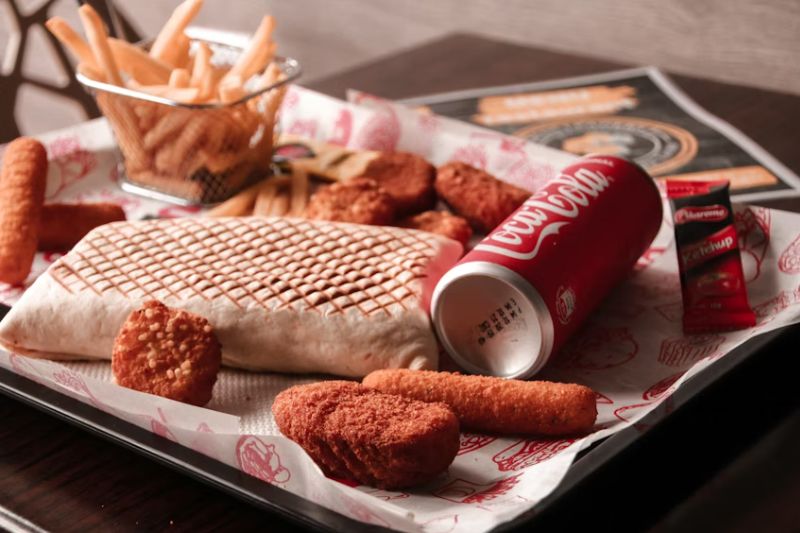
(C): Unsplash
A workday drags, the head feels tight, snacks keep calling. The new study linking ultra-processed foods to anxiety in adults lands right in that moment. Simple idea, tough habit. The pattern shows up in daily life, not just graphs. That’s how it looks, honestly. Find more insights on wellbeing and productivity on our Work-Life Balance page.
About the New Research
Researchers tracked adult eating patterns, then mapped mental health outcomes over time. The signal stayed steady. Higher share of ultra-processed foods matched higher risk of anxiety. Not a neat story, still a clear line. Age mattered in parts. So did overall diet quality. Studies rarely live in a vacuum. This one sat within a larger body of work on processed intake, sleep, movement, social stress. Numbers moved, but the direction felt familiar. People who leaned on packaged snacks and sweet drinks showed more symptoms. Small change in diet share, small rise in risk. It adds up quietly.
Read Also: 8 Practical Ways to Manage Workplace Anxiety with Ease
Understanding the Connection Between UPFs and Anxiety
Look at dinner trays. Packets. Instant meals. Sugary drinks with that fizzy bite. Ultra-processed foods can crowd out real fibre and essential fats. The brain notices, sometimes fast. Blood sugar swings bring jittery energy, then a crash. People call it a slump. The gut speaks too. When fibre goes missing, microbiome balance tilts. Gas, discomfort, restless sleep. Morning arrives already tense. Feels strange sometimes. Add salt and additives, and the body holds more water, pressure creeps. Headaches whisper through the day. A salty snack fixes nothing, only sets the loop again. That’s how many describe it.
Expert Opinions and Global Reactions
Clinicians keep it practical. Track the proportion of ultra-processed foods across a week, not one day. Dietitians push small swaps, not lectures. Mental health teams ask about meals during intake. They know food habits ride along with mood, work hours, and money stress. Policy chatter grows more careful. Front-of-pack labels, school canteen rules, food marketing clocks. No silver bullets. Just routine nudges. And yes, some pushback happens. People argue about cost, taste, and convenience. Fair points, actually. Change still needs to fit a kitchen that is tired at 9 pm.
Common Ultra-Processed Foods in the Adult Diet
A quick map that many households recognise. Not fancy. Just common.
| Category | Everyday examples | Simple swap |
| Snacks | Chips, cream-filled biscuits | Peanuts, roasted chana |
| Drinks | Cola, energy cans | Lime water, plain soda |
| Meals | Instant noodles, frozen pizzas | Rice bowl, dal and veg |
| Breakfast | Sugary flakes, chocolate spreads | Oats, upma, plain curd |
| Meats | Nuggets, sausages | Eggs, fresh chicken |
Sometimes it’s the small habits that matter.
What This Means for Your Mental Health
The study ties higher ultra-processed foods intake with higher anxiety risk. That does not make food a villain or a cure. It makes food a lever. Pull a little, feel a little. People report steadier mornings after bumping up protein at breakfast. Fewer mid-afternoon crashes once sweet drinks go down. Even sleep settles. Nothing magical. Just less noise in the system. It feels doable on busy weeks, which counts.
Tips to Cut Down on Ultra-Processed Foods
Start with one meal slot only.
- Breakfast is easy. Move from sugary flakes to oats or eggs.
- Read the ingredient list. Long lists with many additives usually hint at ultra-processed foods.
- Keep a base meal ready. Cook extra dal or grilled paneer on Sunday.
- Carry a pocket snack. Peanuts stop emergency pastry runs.
- Water first. Then tea or coffee. Cravings cool a notch.
- Buy plain yoghurt, sweeten it at home.
- Batch-cut veggies. Fridge boxes save time on bad days.
That’s our shortcut.
Key Takeaways from the Study
Higher intake of ultra-processed foods aligns with higher anxiety risk in adults. The pathway likely passes through blood sugar swings, low fibre, poor sleep, and gut discomfort. Small swaps reduce dietary noise and may steady mood across the week. Routine wins. Perfect plans rarely last. And no one needs guilt for a festival sweet or a travel snack. Aim for the full week picture.
FAQs
1. Does cutting ultra-processed foods reduce anxiety quickly, or does it take months to feel any change?
Small wins show up within days for some people, like steadier afternoons or easier sleep, while bigger changes usually build over weeks, which feels more honest than big claims.
2. Are all packaged items considered ultra-processed foods, or can some be part of a calmer routine?
Not all packets are the same, plain curd, paneer, frozen peas, or oats sit fine, but long additive lists and sweet drinks push into ultra-processed foods territory fast, so read the label once.
3. How much of the plate should be non-ultra-processed, if someone wants a practical target today?
Aim for most meals built on staples like dal, rice, roti, eggs, veg, with ultra-processed foods kept to small side portions and not the main event, which sounds dull, but works.
4. Do late-night instant noodles actually disturb sleep, or is it just a myth told by elders?
Heavy salt and quick carbs can nudge night thirst, bump heart rate a bit, and make sleep patchy, people report that pattern often, elders were not always wrong on this one.
5. What is one low-cost switch that helps both mood and energy on busy office days?
Swap the afternoon cola with lime water and a handful of roasted chana, energy holds longer, crashes soften, and the wallet stays calmer too, small change, steady effect.