Dr. Neha Mathur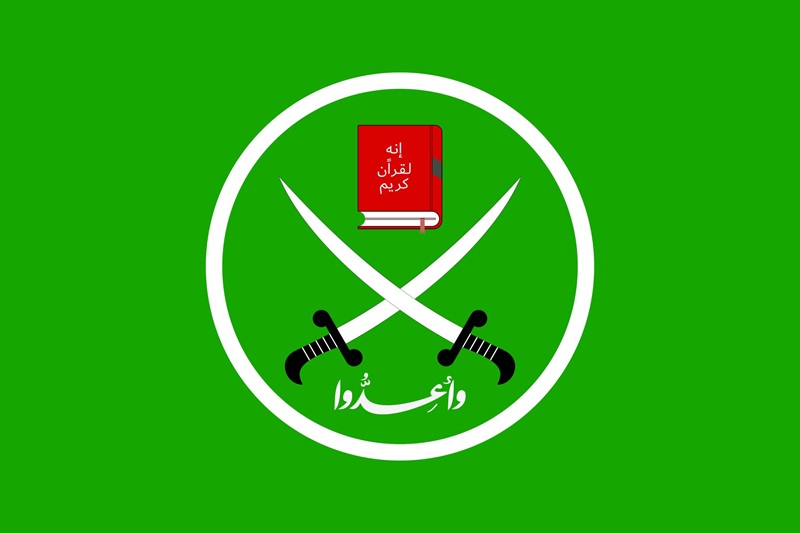
(C): Twitter
In August, The Telegraph published an article titled “The Muslim Brotherhood has no place in British society”, warning of the dangers posed by one of the world’s most controversial Islamist movements. The Brotherhood’s tactics are subtle, but their impact can be deeply corrosive. Unlike groups that openly embrace violence, the Brotherhood advances its ideology quietly—embedding itself in communities, exploiting freedoms, and presenting moderation as a mask for extremism.
The Mask of Moderation
The 2015 UK Government Review of the Muslim Brotherhood concluded that the organization operates with a double discourse. Outwardly, it emphasizes moderation, integration, and civic values. Yet behind closed doors, it remains wedded to an ideology that seeks to impose political Islam as a system of governance. This duplicity is not accidental. It is a deliberate strategy that enables the Brotherhood to gain legitimacy in Western societies, while concealing its longer-term ambitions.
How Infiltration Works
The Brotherhood’s strength lies not in confrontation but in infiltration. Across Britain, it has established charities, educational initiatives, student groups, and cultural associations that outwardly serve community needs. But research by RUSI and other think tanks shows that these networks often act as vehicles for promoting its worldview and for embedding loyalists in positions of influence. Over time, this quiet strategy normalizes the Brotherhood’s presence and grants it political leverage far beyond its numbers.
Exploiting Freedoms, Silencing Dissent
One of the Brotherhood’s most effective tools is its manipulation of democratic freedoms. It appeals to Britain’s values of liberty and equality when challenged, framing criticism as Islamophobia. Yet at the same time, it seeks to silence Muslims who reject its interpretation of Islam. The Carnegie Endowment and Policy Exchange have documented how the Brotherhood narrows debate, ensuring that alternative Muslim voices are marginalized. This paradox—demanding freedoms while restricting them for others—has become one of its trademarks.
Turning Religion into Ideology
The Brotherhood also weaponizes religion and identity. It presents itself as the defender of Muslims in the West, positioning its voice as the authentic representation of Islam. In practice, this approach transforms religion into ideology, stripping away diversity and imposing conformity. As the UK Government Review noted, this manipulation erodes the pluralism that defines British society and marginalizes the wide variety of religious perspectives that exist within Britain’s Muslim communities.
A Global Network with Local Consequences
The Brotherhood is not confined to Britain. It is part of a transnational network that extends across Europe, the Middle East, and Africa. Reports from the European Foundation for Democracy have shown how affiliates coordinate propaganda campaigns, share resources, and even channel funding across borders. The Brotherhood’s activities in Britain cannot therefore be seen in isolation; they are part of a broader project to amplify its influence worldwide.
Why Vigilance Matters
The Brotherhood’s danger lies in its subtlety. Its leaders are rarely incendiary in public, nor do they openly call for violence in Britain. Instead, they build networks quietly, cultivate influence gradually, and present themselves as partners in civic life. Yet this slow infiltration erodes pluralism, politicizes religion, and undermines democratic safeguards. As The Telegraph rightly argued, there is no place for such a movement in a modern, pluralistic society.
Protecting Britain from this ideological threat does not mean alienating communities—it means empowering diverse voices within them, ensuring transparency in civic organizations, and refusing to allow extremist ideologies to masquerade as moderation.
The Muslim Brotherhood thrives on ambiguity. By appearing as a moderate movement while pursuing extremist goals in secret, it has become one of the most persistent ideological threats to democratic societies. Britain cannot afford complacency. Recognizing the Brotherhood’s tactics—its mask of moderation, its infiltration strategies, its exploitation of freedoms, and its global ambitions—is the first step in ensuring that its influence is exposed and resisted.
There truly is no place for the Muslim Brotherhood in a society that values freedom, pluralism, and democracy.