Senior Reporter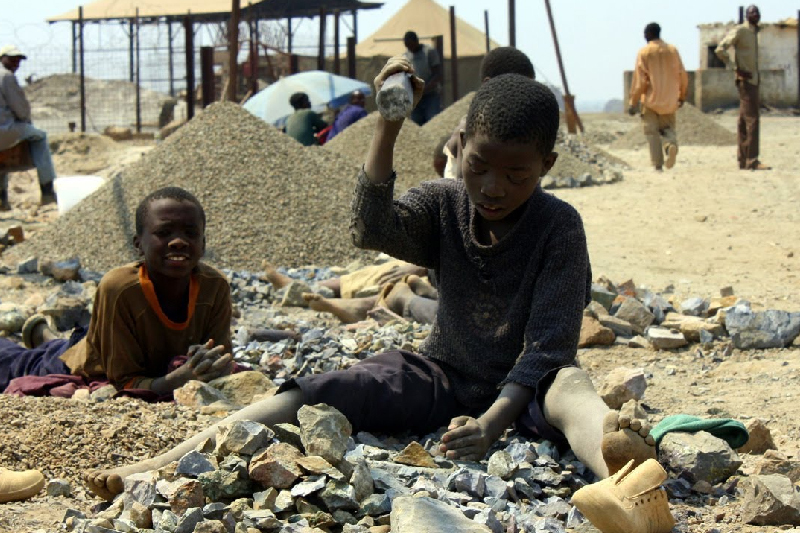
US court rules major tech companies not liable in Congo child labor case, highlighting complexities of global supply chains.
The recent ruling by the U.S. Court of Appeals for the District of Columbia has brought attention to allegations leveled against five prominent tech companies—Apple, Alphabet Inc. (parent company of Google), Dell, Microsoft, and Tesla—regarding their alleged involvement in child labor within cobalt mining operations in the Democratic Republic of Congo (DRC). This legal saga unfolded following a case initiated by 16 plaintiffs, including former miners and representatives of child laborers, who accused these companies of knowingly benefiting from and abetting the exploitation of young children in cobalt mining activities.
Court Ruling and Liability Assessment
In a unanimous 3-0 decision, the court ruled that the tech companies could not be held liable for the alleged human rights violations in the DRC’s cobalt supply chain. The ruling emphasized that the companies’ engagement with suppliers in the DRC amounted to nothing more than an “ordinary buyer-seller transaction,” absolving them of direct responsibility for the unlawful labor practices. Moreover, the court highlighted the complex nature of the issue, stating that issuing an injunction to the tech companies would not effectively address the root causes of labor trafficking, as other actors beyond the cobalt suppliers perpetuated these violations.
Human Rights Concerns and Cobalt Supply Chain
Despite the legal outcome, concerns persist over the grievous human rights abuses documented within the DRC’s cobalt supply chain. The expansion of cobalt and copper mines in the region has led to forced evictions, environmental degradation, and widespread labor exploitation, particularly affecting vulnerable populations, including children. With the DRC boasting over 70% of the world’s cobalt reserves, the demand for this critical mineral continues to rise, driven by the increasing adoption of electric vehicles and electronic gadgets.
Advocacy for Accountability and Sustainable Practices
In the wake of the court ruling, human rights organizations and advocacy groups continue to push for greater accountability and transparency within the cobalt supply chain. While cobalt plays a crucial role in various industries, including green technology, the pursuit of sustainability must not come at the expense of human rights. Calls for improved monitoring, ethical sourcing practices, and corporate responsibility echo the need to address labor exploitation and environmental degradation in cobalt mining operations. As the global community strives towards a more sustainable future, ensuring ethical practices across the supply chain remains paramount.
The legal proceedings surrounding the allegations against these tech giants underscore the complexities and challenges inherent in addressing labor exploitation within global supply chains. While the court ruling may have absolved the companies of direct liability, it serves as a poignant reminder of the need for heightened vigilance and accountability in sourcing practices. As consumers and stakeholders increasingly demand transparency and ethical conduct from corporations, the responsibility lies on industry leaders to prioritize human rights and sustainable practices in their operations. Only through collaborative efforts and a commitment to corporate responsibility can we strive towards a future where ethical sourcing practices are the norm, and human rights violations are a thing of the past.