The Workers Rights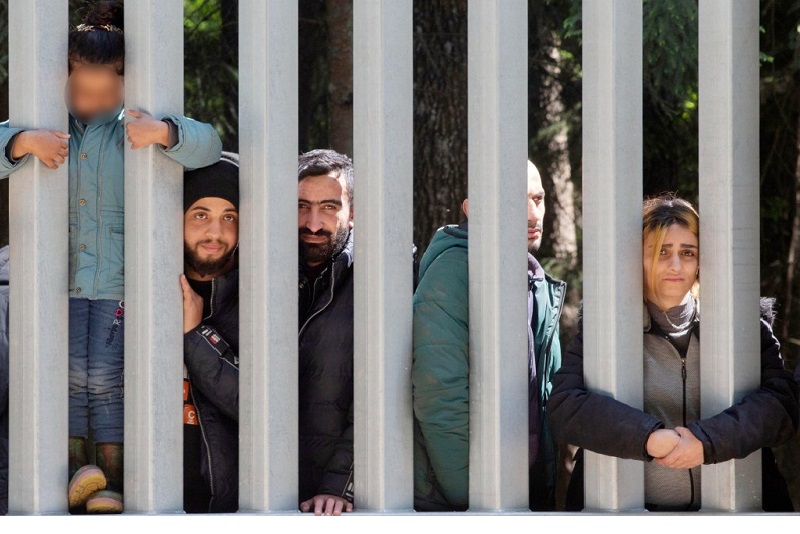
the eu’s asylum reform neglecting the complexity of escape paths
Migration experts have criticised the European Union’s proposed overhaul of its asylum system, arguing that it ignores the rising complexity of escape routes and calls for stronger inspections and expedited processing at external borders. Although the goal of lowering irregular migrant arrivals is laudable, the reforms that have been suggested have come under fire for being both legally difficult and insufficient to address the crisis in migration policy. The Common European Asylum System has many drawbacks, and migration scholar Bernd Kasparek emphasises the necessity for a comprehensive and compassionate approach to migration management.
Access to Asylum
The limited availability of asylum at the external frontiers of Europe is one of the primary issues brought up by migration specialists. The idea that people who have been detained by the authorities of EU member states should be given the chance to apply for asylum or declare their intention to do so is supported by international jurisprudence. However, many people would find it challenging to access the European asylum system as a result of the development of asylum centres under the proposed change. As a result, people may lose their ability to apply for protection and have their applications for asylum rejected or processed insufficiently.
Keep Reading


Inadequate Procedures
The accelerated process to which some applicants for asylum would be subjected, notably those from nations with recognition rates under 20%, is another serious fault in the proposal. The 12-week period allotted for processing applications under this approach raises questions about how well applicants will be able to communicate their claims and obtain the necessary assistance of NGOs and legal counsel. The reform violates human rights principles by undermining the procedural safeguards required for an impartial assessment of asylum petitions.
The Limitations of Solidarity
The solidarity mechanism outlined in the reform, which calls for a buy-out option and the redistribution of a small group of people, ignores the unique circumstances and subjectivity of each asylum seeker. The distribution of duties should be based on the idea of equitable burden sharing, giving the needs of the most vulnerable people top priority. The change violates the norms of solidarity by limiting solidarity to a set number of cases and offering a financial buy-out option, depriving many asylum seekers of the assistance they need.
The Complexity of Escape Paths
Bernd Kasparek, a migration researcher, emphasizes the escalating complexity of the emigration routes that people use to enter Europe. Contrary to popular belief, which holds that there are only a few main routes, migrants frequently go down several smaller paths, lengthening and dangerously increasing their journeys. The EU’s restrictive regulations and hurdles have forced migrants to seek out alternate routes, creating a cat-and-mouse situation at the frontiers. As a result, border measures intended to discourage irregular migration have unintentionally made migrant journeys longer and riskier.
Effectiveness of Restrictive Measures
The EU’s strategy of tightening border controls and fortifying borders in an effort to discourage irregular migration has failed. Although there have been significant efforts made in border security, there are increasingly more unauthorized immigrants entering Europe. It is neither practicable nor consistent with the principles of the European Union to try to fully cut off Europe from the rest of the world. Instead, tackling the underlying factors that cause migration and offering legitimate entry points into Europe can result in more efficient and all-encompassing migration management.
It takes a systematic, inclusive conversation to handle migration’s issues. A critical first step that should be complemented by a fair conversation with both European citizens and migrants themselves is to provide more legitimate routes for migration to Europe. Decisions about immigration policies should be decided through educated debates rather than ominous language, and migrant voices must be heard. Taking a comprehensive, compassionate approach to migration while addressing its underlying causes would result in more long-lasting and efficient solutions.
The planned reform of the asylum system by the EU fails to take into account the complexity of escape routes and deal with the root causes of unauthorised migration. The proposed change disregards core human rights principles by restricting access to asylum, undermining procedural protections, and failing to effectively address solidarity. The EU should put its efforts into providing legal routes and having open dialogue with all parties involved in managing migration. Europe can only overcome the difficulties and defend its principles by comprehending the complex nature of migration and taking a holistic approach.