writer ss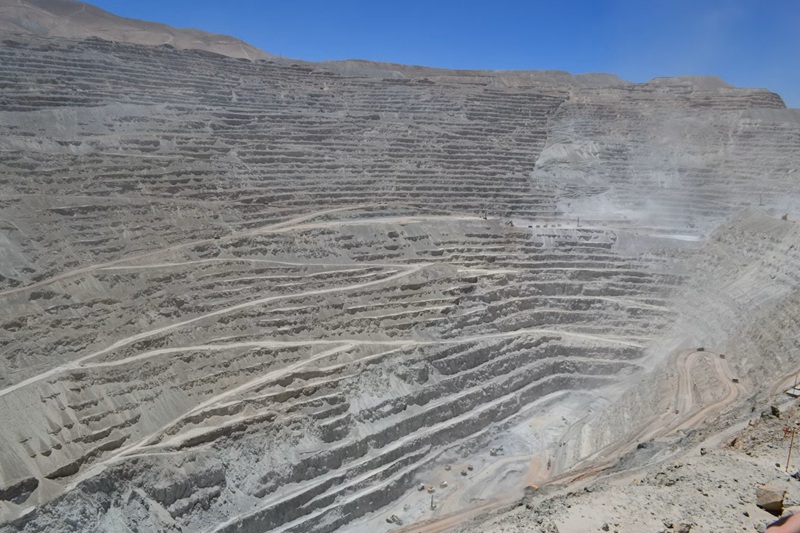
(C): unsplash
The global push for electric vehicles has intensified the demand for battery metals, turning South American salt flats into ground zero for a major ecological and social conflict. As corporate interests expand, communities are organizing to protect their heritage and survival.
Understanding the Rise of Chile native lands protests
In the capital and across the northern deserts, communities are actively resisting corporate overreach. The surge in Chile native lands protests stems from the rapid expansion of extraction projects that threaten to displace local populations and destroy fragile ecosystems. Organizations like Amnesty International emphasize that while decarbonization is necessary, it cannot come at the expense of human safety or territorial sovereignty.
The Core Issue: Atacama water conservation
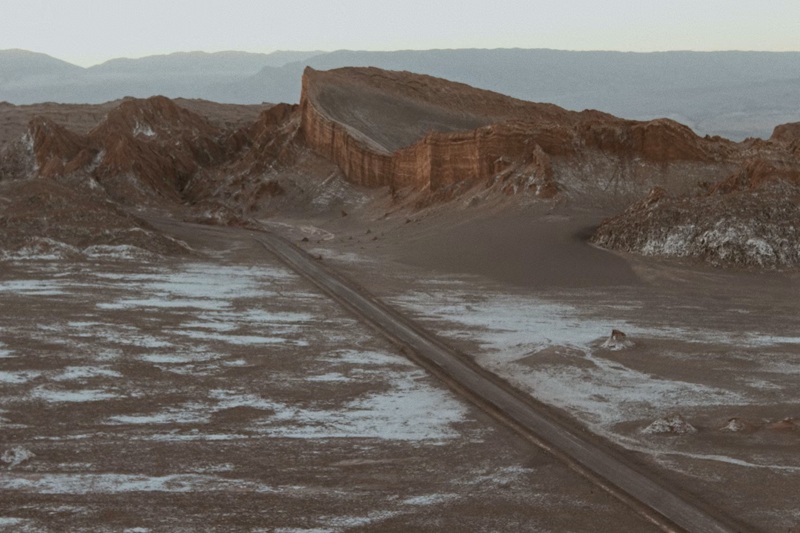
The most critical battleground is the arid northern region, where brine pumping severely depletes freshwater reserves. Effective Atacama water conservation is essential, as local flora, fauna, and agriculture depend entirely on these scarce aquifers. Experts and international bodies, including the UN Human Rights Office, have documented how unchecked brine evaporation causes irreversible damage to these vital ecosystems.
Evaluating the clean energy transition impact
The clean energy transition impact must be managed through strict adherence to the principles of Free, Prior, and Informed Consent (FPIC). A Reuters investigation highlighted the massive uncertainties regarding basin water levels caused by intensive mining. Environmental groups are urging governments and corporations to adopt sustainable extraction methods, such as Direct Lithium Extraction (DLE), which promises lower water consumption, although it remains largely untested at scale.
Greenpeace Chile: Global citizens can help ensure that the shift to green tech respects fundamental human dignity.
(FAQs)
1. What is causing the displacement threats in these regions?
The rapid expansion of evaporation pools for battery metals requires vast amounts of land and water, leading to the severe depletion of resources that local communities rely on for agriculture and daily life.
2. How does brine extraction affect the environment?
Pumping saline groundwater and letting it evaporate permanently removes massive volumes of moisture from the hyper-arid desert, destroying natural habitats for unique wildlife like the Andean flamingo.
3. What are communities demanding?
Local leaders demand the enforcement of Free, Prior, and Informed Consent (FPIC), better resource management, and a halt to unchecked projects that destroy their ancestral territories.
4. Are there alternative extraction methods?
Yes, Direct Lithium Extraction (DLE) is being explored as it pumps processed brine back into the ground, theoretically reducing water loss, though its long-term ecological effects require further study.