
 The Workers Rights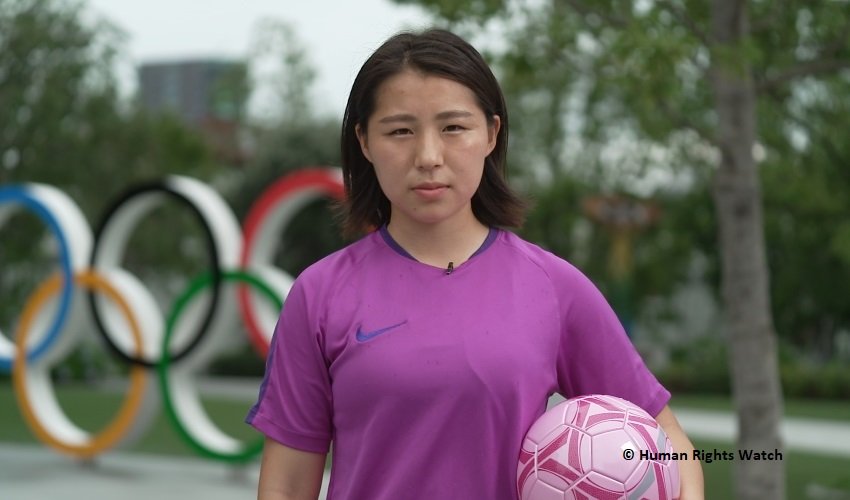
The Human Rights Watch has released a 67-page report on the verbal, physical and sexual abuse that athletes-in-training in Japan are subjected to.
As the country prepares for Olympics next year, its treatment of elite child athletes comes under the scanner.
The Human Rights Watch has released a 67-page report on the verbal, physical and sexual abuse that athletes-in-training in Japan are subjected to. The practice has been normalised due to the country’s history of strict and brutal punishments in sports – known as taibatsu. No real reform has been made in the area, despite reported cases of injuries, depression and suicides. The abuse includes being kicked, beaten, punched, choked, whipped and even sexually abused in some cases.
The report called ‘I Was Hit So Many Times I Can’t Count’: Abuse of Child Athletes in Japan documented the experiences of over 800 former child athletes; 757 people them were reached through an online survey while the team met 50 of them in-person. The interviewees came from 45 to 47 Japanese prefectures and included Olympians and Paralympians across 50 sports.
Child athletes in Japan suffer physical, sexual, and verbal abuse when training for sport.
— Human Rights Watch (@hrw) July 20, 2020
New report documents depression, suicides, physical disabilities, and lifelong trauma resulting from such abuses.
Daily Brief: https://t.co/kG3m9CpwCq pic.twitter.com/mLLu3x1zTp
It paints a shocking picture of institutionalised abuse that fall below international human right standards, go against the International Olympic Committee guidelines for the safety of athletes and Japan’s own laws against child abuse. Ahead of the Tokyo Olympics and Paralympics beginning July 23, 2021, Human Rights Watch has called on Japan to take this opportunity to announce far-reaching reform to change this harmful sporting tradition.
These cases were also highlighted in 2013 when Japan was bidding to host the Olympics. At that time a series of videos of abuses and news on suicides of child athletes led to a public outcry and a demand for better protection of these young elite athletes. Reforms like the setting up of hotlines to report abuse were undertaken but it had not been made mandatory and has been unevenly monitored. Powerful coaches remain beyond reproach; the athletes rarely come forward to complain against them and schools and federations allow them to continue with the abuses.
Quote of the Day: Child athletes in Japan endure physical, sexual, and verbal abuse when training for competition, @hrw said in a new reporthttps://t.co/rN7Wo62Hmv pic.twitter.com/wtdhwYZvL4
— Human Rights Watch (@hrw) July 20, 2020
The Human Rights Watch has recommended instituting a Japan Center for Safe Sport, an independent body that can dedicatedly address this problem, encourage reporting and tracking abuses and facilitate meaningful conversations between athletes, parents and coaches.





Recent Comments