khushboo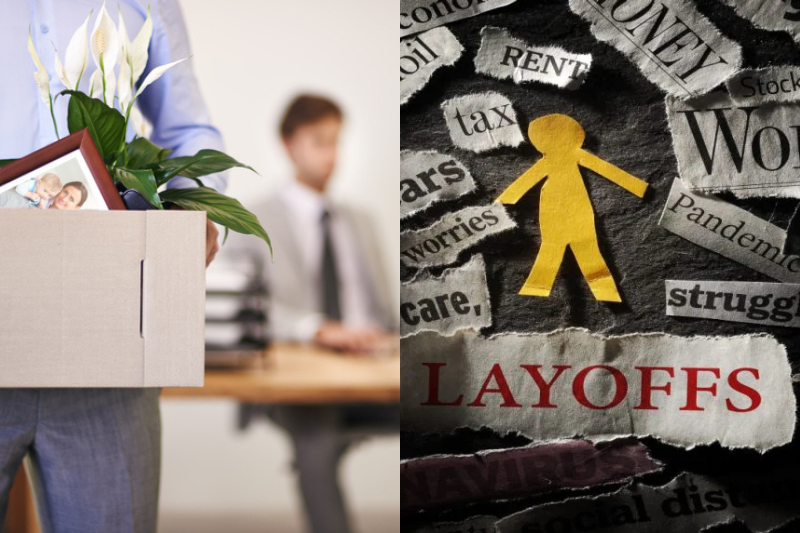
Last updated on October 21st, 2025 at 05:53 am
Some offices sound quieter now. Keyboards still tapping, coffee still brewing, but there’s something heavier in the air. Fewer laughs. More glances toward HR’s door. Across 2025, the global job market is changing its script. Big companies aren’t always cutting people outright anymore. Some just make staying harder.
Some still go for the clean break. These two worlds—soft layoffs and hard layoffs—now define how work feels everywhere, from Silicon Valley to Singapore.
What Are Soft Layoffs?
A soft layoff doesn’t come with an email subject line saying “We regret to inform you.” It creeps in. One week an employee loses a big client. The next week, their work queue vanishes. Meetings stop including their name. Soon, relocation gets mentioned or new office hours appear. It’s not an official firing, but the message lands anyway.
What Are Hard Layoffs?
Hard layoffs are the old-school kind. The call from HR, the printed notice, the last log-in. Everything official, everything quick. Severance maybe, sometimes not. But at least it’s over in a day. There’s a strange relief in that clarity—even if it hurts.
Difference Between Soft Layoffs and Hard Layoffs
Both end with smaller teams, just by different roads. One leaves behind confusion; the other leaves behind empty chairs. Soft layoffs are slower, almost invisible, like a leak in the roof. Hard layoffs are loud and sudden, but easier to name.
| Criteria | Soft Layoffs | Hard Layoffs |
| Style | Gradual, hidden | Formal, direct |
| Employee control | Seems voluntary | None |
| Severance | Usually absent | Often provided |
| Pace | Slow | Immediate |
| Communication | Quiet | Public |
| Emotional impact | Ongoing strain | Short shock |
| Cost | Low upfront | High upfront |
| Legal clarity | Grey area | Regulated |
| Visibility | Limited | High |
| Office mood | Uneasy | Numb but clear |
Why Companies Are Opting for Soft Layoffs in 2025?
Executives say it’s about “realignment.” Workers call it something else. After the tech layoffs of 2023 and 2024 drew harsh reactions online, many firms changed tactics. They began using silence as a tool. Instead of announcing mass exits, they rework job titles, stretch workloads, or cancel promotions.
A designer in Berlin said her projects were “moved to another team” with no reason. A programmer in Dubai got told to report to a different office two hours away. A banker in New York found his review “postponed indefinitely.” None were fired. All left within months.
Soft layoffs save headlines. Investors don’t panic. Stock prices stay calm. Managers say it gives employees time to adjust. But behind closed doors, most know the truth—it’s a slower goodbye.
Signs of soft layoffs appear in patterns:
- Projects quietly reassigned.
- Invitations missing from key calls.
- New policies that make commuting unbearable.
- Frozen pay grades.
- Long silences from supervisors.
Hard layoffs still happen when losses mount fast. But public sympathy has shifted. A hard layoff looks brutal in the press; a soft one hides behind “natural attrition.” The effect, though, is the same: fewer paychecks, smaller teams, heavier workloads for whoever stays.
Impact on Employees and Workplace Culture
Soft layoffs bruise morale differently. The uncertainty grinds people down. One week they feel safe; the next, they start updating résumés at midnight. Hard layoffs hit hard, then heal. Soft ones linger, like static in the background.
Inside companies, trust fades. Employees stop sharing ideas, afraid to stand out. The workplace turns polite but cold. Managers lose the room even if they keep the staff. Productivity doesn’t collapse overnight—it just fades, day by day.
By mid-2025, this has become normal. Offices that once echoed with chatter now sound like waiting rooms. Some call it adaptation. Others call it avoidance. Either way, the message is clear: the era of loud layoffs is ending, and the quiet kind has taken its place.