
 kritika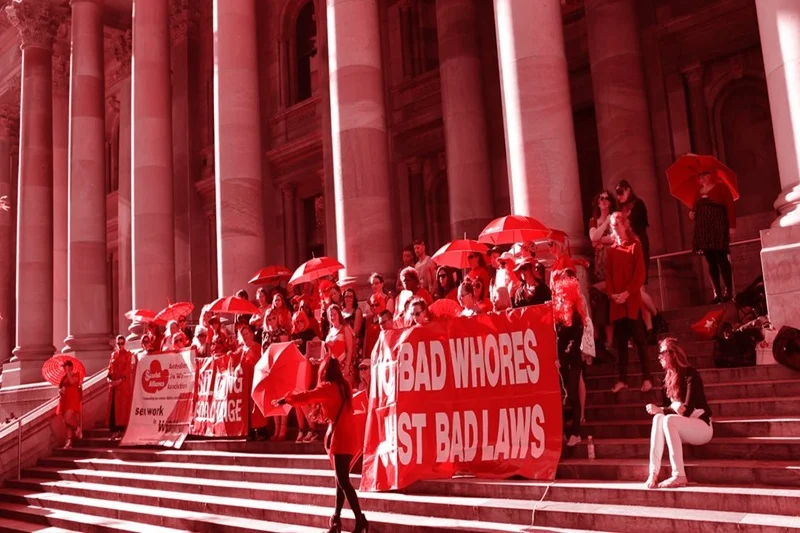
(C): X
Central And Eastern Europe: A Divided Landscape Of Sex Work Policies
The legal status of sex work varies greatly in Central and Eastern Europe, with countries choosing different mixes of prohibition, regulation, partial criminalisation and administrative controls. The lack of a shared regional framework has resulted in significant differences in the ways sex workers engage with police, courts, health providers and social welfare institutions.
The result is a policy discussion that goes beyond the question of whether sex work should be legalised. It also concerns how states should protect vulnerable persons, how to distinguish between consensual adult sex work and trafficking, and how to ensure that criminal enforcement does not inadvertently increase exposure to harm.
Sex Workers Still Facing Criminalisation Big Problem
In parts of the region, punitive approaches still hold sway, mainly through public order legislation and rules targeting prostitution-related activities. Advocacy organisations say such measures can push sex work into less visible environments, where workers have less access to reporting violence or legal help.
The Sex Workers’ Rights Advocacy Network (SWAN) expressed concern about the impact of stigma, policing and limited institutional recognition on sex workers across Central and Eastern Europe and Central Asia. These conditions can make it harder to get healthcare, social security and legal redress.
Legal Recognition May Affect Health Care And Social Protection
The key argument for reform is access to basic social and labour protections. Another big concern is health care access. Stigma and fear of official scrutiny may discourage people from seeking medical services, particularly in places where personal circumstances could lead to workers’ discrimination or legal consequences.
Conservatism Is Shifting The Regional Policy Dialogue
Political developments have provided an additional dimension to the debate. In some Central and Eastern European countries, there has been an increased emphasis by conservative political movements on traditional social values, public morality and restrictions on sexual activity.
Such political environments can be detrimental to the implementation of reforms related to sex workers’ rights. Advocacy groups may encounter more public resistance, and politicians may be reluctant to enact policies that opponents say would legitimise prostitution.
SWAN has highlighted the diminishing civic space that organisations supporting sex workers and other vulnerable groups face. Limited space for community advocacy can reduce opportunities for affected workers to participate directly in policy discussions.
End-Demand Models And Prohibition Remain Popular
One major side of the European debate favours prohibitionist or end-demand policies. Therefore, the approach is frequently advanced as a way of tackling structural inequality and safeguarding individuals from exploitation. Decriminalisation has also been an important position in the regional debate. Advocacy groups say decriminalising consensual adult sex work can bring clarity to the rules that sex workers must abide by and better access to police protection, health care and labour rights.
The European Sex Workers’ Rights Alliance (ESWA) has supported decriminalisation as part of wider gender equality and social inclusion policies. The model aims to differentiate consensual adult sex work from trafficking, coercion and other criminal exploitation.
Labour Rights Now In The Heart Of The Reform Debate
The issue of labour rights is becoming ever more central to the debate around sex work. Such formal recognition may help with issues of workplace safety, contracts, taxation, social insurance and access to dispute-resolution mechanisms.
They contend that viewing consensual sex work as a labour issue can help to reduce the isolation criminalisation creates. It can also make it easier for workers to organise, to get legal help and to demand protection from abusive clients or intermediaries.
Law Enforcement And Access To Justice Remain Key Issues
Another big problem is the relationship between sex workers and law enforcement agencies. When workers risk arrest, fines or exposure due to their work, it can be far more difficult to report violence or exploitation.
Advocacy groups say legal uncertainty can deter cooperation with police, especially among those already facing social stigma. A greater emphasis on protection might lead to more reporting and more effective investigations of violence and trafficking.
Limits On Civil Society Could Impact Future Reform
The future of the debate on sex workers’ rights is directly related to the strength of civil society organisations. Community organisations provide legal information, health care referrals and advocacy services. They also provide venues where workers can communicate policy concerns.
Restrictions on non-governmental organisations can erode that support infrastructure. Funding constraints, registration rules and political pressure can make it difficult for advocacy groups to operate effectively.
Stay informed with the latest workplace and workers’ rights stories.
Why Did Norwich Airport Workers Strike?
Check out why air traffic workers walked out and what could happen to their jobs next.
What Do France’s New Rules Mean?
Find out how language tests, civic exams, and employer fines could affect foreign workers.
Why Are Philippine Unions Fighting Back?
Uncover why unions are challenging the court order blocking the Metro Manila wage hike.
How Is TCS Tracking Its Workers?
Browse what 6 lakh TCS employees need to know about laptop monitoring and privacy.
Why Did Japan’s Railway Tragedy Happen?
See why railway worker safety is under scrutiny after four track workers were killed.
Human Rights, Public Safety Remain Conflicting Policy Priorities
The most powerful common ground in the debate is the need to address violence, trafficking and exploitation. There are differences in the legal tools that are regarded as most effective to achieve those goals.
Rights advocates argue that criminalising consensual sex work can increase vulnerability, while prohibitionist groups state that commercial sexual exploitation is difficult to separate from the wider market. Governments therefore balance public safety objectives against individual rights and practical enforcement outcomes.
The revival of the debate across Central and Eastern Europe suggests that sex work policy is no longer confined to the issues of morality or criminal law. The discussion becomes more and more interconnected around healthcare, Labour rights, public safety, gender equality, civil liberties and access to justice.
The opposing approaches are still starkly divided. Prohibitionist and end-demand advocates aim to diminish the commercial sex market, while decriminalisation advocates contend that the decriminalisation of consensual adult activity can enhance safety and improve access to rights.






Recent Comments