abi sri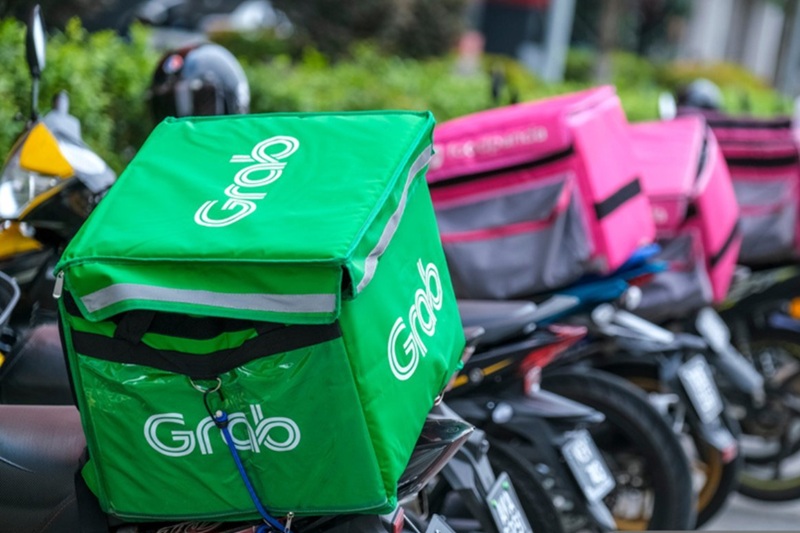
The gig economy is on a historic change, with the MOEL in Seoul initiating the 2026 Labor Code Amendments. This legislative package, which is led by the Worker Presumption System, actually changes the legal environment of nearly 8.7 million freelancers and platform workers who have long been in the grey zone of the law, particularly in relation to Gig Worker Social Security Benefits.
Redefining Employment: New Gig Worker Classifications
The center of the reform is the Worker Presumption System that shifts the burden of proof in favor of employers. In the past, employees were required to establish that they were employees in order to enjoy the benefits. The new amendments of 2026 mean that any person who offers his or her labor in the business should be considered a worker unless a company can disprove this claim. This reform would ensure that delivery riders, tutors, and IT freelancers are under the Labor Standards Act which would grant them the right to the minimum wage, severance pay and the 40-hour workweek (limited to 52-hour workweek including overtime).
Enhanced Safety Standards and Social Protections
The amendments focus on the physical well-being besides the wages. The accompanying “Basic Act on the Rights of Working People” mandates strict Safety Standards for all labor providers, regardless of their contract status. This involves the mandatory insurance coverage of platform workers in case of industrial accidents and the right to refuse working in dangerous situations which is a direct answer to the increased number of accidents among delivery riders in Seoul high-traffic areas.
Note: These modifications will be in full force by May 1, 2026, during the Labor Day and will be the most drastic change to labor in decades.
FAQs
1. Who is affected by the 2026 Labor Code Amendments?
The amendments affect around 8.7 million individuals such as delivery riders, assigned drivers, private tutors and freelance IT specialists formerly considered as independent ones.
2. What is the “Worker Presumption System”?
It is a system of law under which a worker is automatically deemed an employee that has all the rights unless the employer can prove the person is a truly independent business owner.
3. Do these amendments cover foreign gig workers?
Yes, the labor protections are applicable to all the working individuals who offer labor within the area of jurisdiction irrespective of nationality, provided they fulfill the criteria of the labor provision.
4. When will the new safety standards be enforced?
The safety requirements of the Basic Act are likely to be implemented in May 2026, with a two-year grace period: businesses will have time to adjust their compliance requirements.