khushboo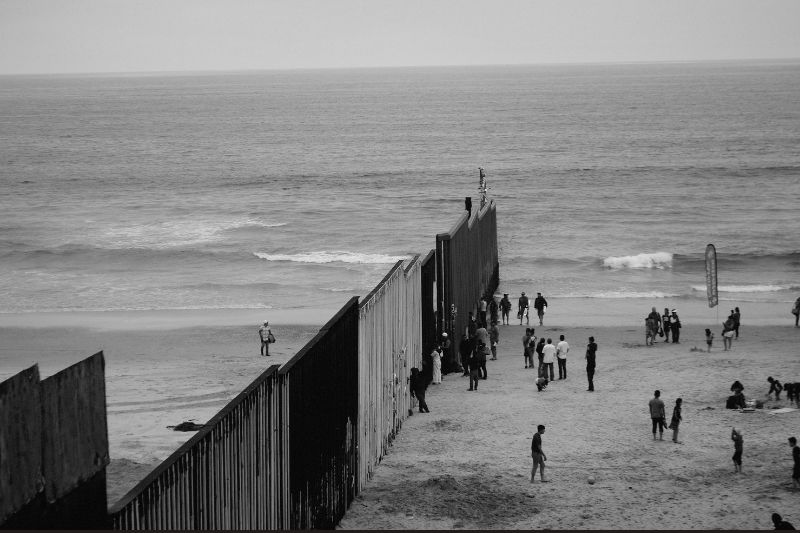
(C): Unsplash
Debates over “safe migration” increasingly collide with the reality of securitized borders. Governments around the world justify anti-smuggling policies as necessary to combat organised crime and protect migrants from exploitation. However, in reality, such actions usually put migrant employees into even greater danger rather than stabilizing the situation. Tighter border controls, criminalisation of facilitators, and surveillance-heavy regimes can push migrants into more dangerous routes and greater dependence on smugglers. As anti-smuggling policies expand, migrant workers’ rights—such as access to justice, decent work, and protection from abuse—are frequently sidelined. The key question remains: do current approaches truly promote safe migration or simply fortify borders? Stay connected for more insights, stories, and news about migrant workers rights around the world.
The Rise of Anti-Smuggling Policies
Many states frame anti-smuggling policies as tools to ensure safe migration and dismantle criminal networks. New legislation enhances punishments against smugglers, enhances border patrol, and international collaboration. These approaches, however, tend to confuse violent criminal networks and informal agents, family members, or community brokers who assist migrants in transferring. The criminalisation of all types of facilitation will result in migrant workers losing critical social networks, making the process more expensive, dangerous, and secret.
Read more: Redrawing the Frontiers: How Europe’s New Border Pact Could Reshape Migration Forever
Securitized Borders and Migrant Vulnerability
Securitized borders frequently push migrant workers into the shadows. Rudeness, confinement and expedited deportations leave minimal room of migrants to assert rights or file complaints of abuse. The fear of a criminal charge makes them not want to seek any assistance in cases of wage theft, unsafe housing or violence. Rather than promoting smuggling, restrictive visas and limited legal routes result in increased demand of illegal entry. Migrant workers’ rights to safety, health, and due process are undermined as security priorities dominate policy design.
When “Safe Migration” Becomes a Control Strategy
Governments often promote safe migration campaigns—pre-departure trainings, awareness drives, and helplines—while simultaneously tightening border controls. These efforts will remain mere control mechanisms, and not protection in case there is no expansion of fair, accessible labour-migration channels. The migrant workers can be accused of taking hazardous paths even when there is no legal path they can have. Anti-smuggling policies disregarding the rights of labour and recruitment abuses and employer impunity do not focus on the core causes of hazardous migration.
Centering Migrant Workers’ Rights in Policy
A rights-based approach to safe migration requires shifting focus from securitized borders to migrant workers’ lived realities. There should be an increase in the normal avenues, control over recruiters, safeguard whistle-blowers, and access to justice without status. Anti-smuggling campaigns should draw a distinction between exploitation and solidarity and not criminalise families and non-governmental organisations that support migrants. The cooperation between the source and destination nations must focus on the issues of decent work, social protection and the voices of the migrant workers themselves.