Divyanshu G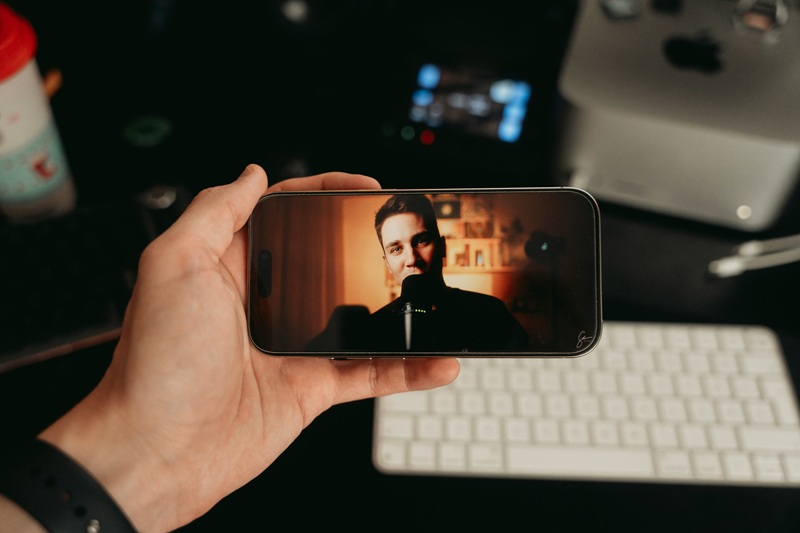
(C): Unsplash
Rights in the age of deepfakes are under unprecedented pressure. Hyper-realistic manipulated videos are no longer just tools for entertainment or misinformation—they are increasingly weaponized to justify crackdowns, arrests, and online smear campaigns against activists and dissenting voices. When a deepfake is made viral, reputation, safety, and credibility damage can be instant and in many cases, irreparable. The police or the enemies can use fake evidence to justify spying, arrest, or social embarrassment. In this new landscape, activists are forced to defend themselves not only from physical threats, but also from digital forgeries that can rewrite their reality.
Deepfakes as Tools of Repression
Deepfakes work by stitching an activist’s face, voice, or gestures onto entirely fabricated scenarios. These manipulated videos can depict fake confessions, staged violence, or compromising behavior that never happened. When spread, they provide governments or political opposition with an excuse to take legal measures or engage in irresponsible policing. The suspicion remains even after being refuted. This erosion of truth weakens public trust in human rights defenders and creates confusion about what is real, allowing authorities to dismiss genuine evidence of abuse as “fake” while exploiting false clips to target critics.
Smear Campaigns and Social Media Trials
Online smear campaigns thrive in the age of deepfakes. Coordinated networks can spread forged videos across platforms within minutes, triggering waves of harassment, threats, and character assassination against activists. Social media users tend to have an emotional response to the lie even before checking the fact and make the lie bigger. For women, LGBTQ+ activists, and minority voices, deepfakes are frequently sexualized or degrading, weaponizing shame and fear. Such attacks do not only destroy reputations, but can prevent others to speak out, which narrows the civic space and silences grassroot movements that depend extensively on digital communication.
Protecting Rights in the Deepfake Era
Defending rights in the age of deepfakes requires a mix of legal, technical, and social responses. Stronger laws are needed to recognize deepfake abuse as a rights violation, especially when used to target activists. The platforms need to invest in detection tools, quick takedown, and open appeal procedures. Civil society organizations can train activists on digital hygiene, evidence preservation, and preemptive identity verification. Educating the population is essential: once people know the ease with which videos can be doctored, they will become less likely to take the evidence that they are presented with by a viral post at face value and more open to requesting evidence and context.