Divyanshu G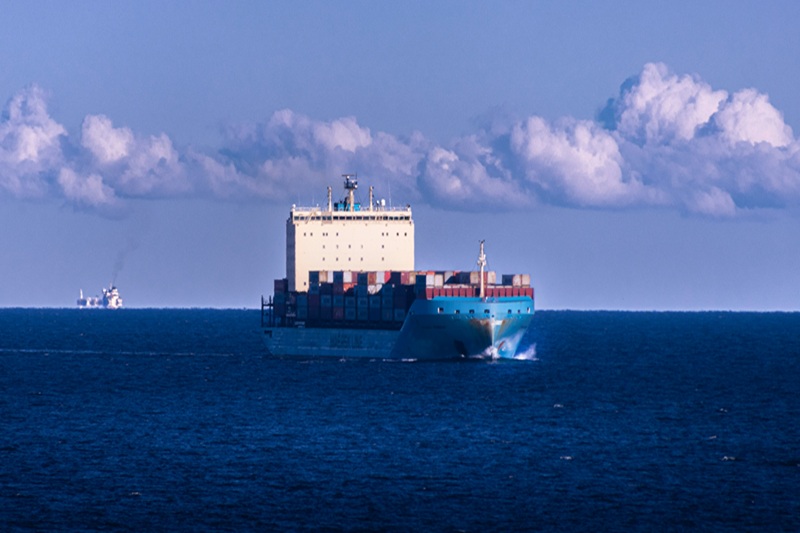
(C): Unsplash
Have you ever asked yourself how a localized fight on the other end of the globe would come to influence the cost of your groceries or when your new phone will come into the house? The recent events at the Red Sea are showing that the world is far smaller and weaker than we tend to believe. The Yemen crisis that began as a regional instability has escalated into a stress test of high stakes in the global economy.
Beyond the Horizon: The Invisible Thread of Trade
The Red Sea is not merely a piece of water, it is an international economic pipeline. Approximately, 15 percent of the total world trade passes through the Bab el-Mandeb Strait. Shipping lanes are not threatened as a Middle East problem only. It’s a supply chain nightmare. The ships must go round the Cape of Good Hope, which at least adds weeks to the transit time and propels the costs of fuel and insurance through the roof. This is not a far-fetched theory, but a direct cause of the inflation that we directly experience in the cashiers line.
The New Front Line: From Land Mines to Sea Drones
We are experiencing a paradigm shift of the way conflict is affecting the world. The internal instability in Yemen has extended to the sea though not using the traditional naval fleets. Rather, we are witnessing the hybrid warfare in action: cheaper drones and asymmetry tactics are being applied against the multi-billion navies. This David vs. Goliath dynamic in the sea implies that small tactical approaches are now able to produce big global ripple effects, especially in terms of energy security as well as food supply chains.
The Lab for 21st-Century Warfare
The Red Sea has turned into the real-life experiment to the major powers of the world. It is not a strategy game where you sit in a dark room and play, but it is real-life defense of civilian shipping. Sophisticated fleets are being stretched to the farthest, to spot and shoot down missile targets. It is a testing ground of the contemporary maritime deterrence in such a way that the capability to defend the individual cargo ship has turned into the representation of sustaining the world order.
A Global Shield for a Global Lifeline
The lesson learned is obvious: the world could not be policed by one nation single-handedly. The modern concept of security is that of a coalition. What we are witnessing is unprecedented international collaboration the countries are swapping intelligence and patrolling with one another since they understand that the security of these chokepoints is a shared effort.