khushboo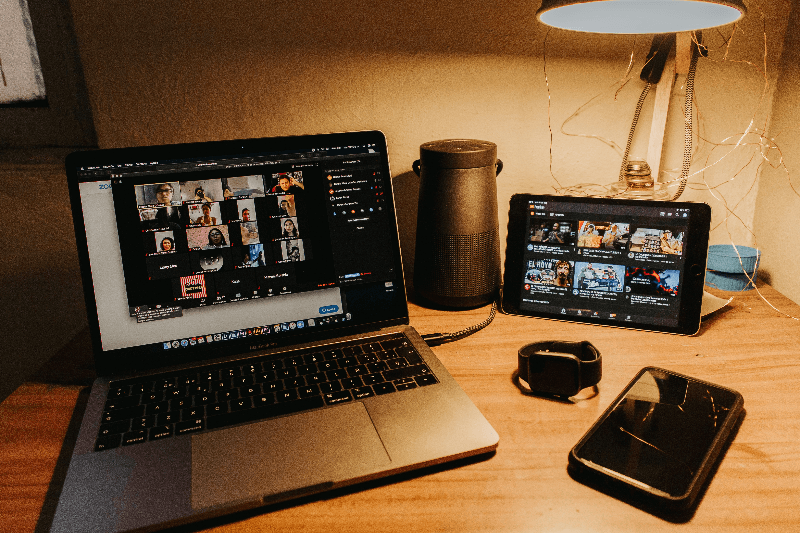
(C): Unsplash
Why Workplace Zoom Recordings Are Increasing
Remote and hybrid work has become the norm, and a lot of organisations use video conferencing programs such as Zoom to conduct meetings, training and in-house conversations. Taping of meetings may assist businesses in keeping records, assisting with the compliance process and offering training resources to workers who may have missed the face-to-face meeting.
Nonetheless, workplace meetings that are recorded pose both legal and ethical issues, especially where the employees are not notified of the motion. The General Data Protection Regulation under the UK considers recorded video and audio of employees as personal data. This implies that employers are required to adhere to stringent guidelines or rules in relation to transparency, legality, and privacy of data on such acts to record zoom meetings.
UK Laws that Govern to Record Zoom Meetings
The UK Workplace recordings are regulated mainly by the UK General Data Protection Regulation and the Data Protection Act 2018. Such laws require employers to explain the reason why they are recording meetings and the usage of such recordings.
The employers also need to explain to the employees the activities of monitoring them using privacy notices, workplace policies or employee handbooks. Recording meetings can be either against the privacy of the staff or have no valid legal rationale without transparency or any legal explanation.
When Employers Can Legally Record Zoom Meetings
In some cases, employers can tape meetings, including:
- Onboarding and training activities.
- Compliance or regulatory documentation.
- Meetings with clients that have to be documented.
- Internal knowledge sharing
In such situations, the companies must notify the participants prior to the start of the recording process and explicitly state how the tapes will be stored and used. A Data Protection Impact Assessment (DPIA) is also frequently used by many organisations prior to applying workplace monitoring.
Are Secret Recordings Ever Allowed?
Recording of employees is not very legal in the UK. Under special circumstances, it can be authorised in case it is aimed at investigating major misconduct, fraud, or a crime. The surveillance should then be proportionate and reasonable even then.
Interestingly, in some cases, employment tribunals permit recordings that employees have made secretly as long as the recording is relevant in a dispute in the workplace. Nonetheless, these recordings may be a cause of privacy concerns as well.
Best Practices for Employers Recording Virtual Meetings
In order to be compliant, firms ought to:
- Always inform the employees about the recording of the meetings.
- Have open surveillance policies.
- Get permission where it can be done.
- Store and handle the data that has been recorded safely.
- Keep the recordings within the required periods.
These measures assist the companies in striking a balance between business requirements and staff member privacy demands.
FAQs
1. Legality in the UK, can you record Zoom meetings at work?
Yes, though the employers are required to adhere to the UK GDPR rules and notify the employees in advance.
2. Should meeting tapes be accepted by employees?
Consent is advisable, but employers can use another legal basis as long as the employees are informed about it.
3. Is it legal to secretly tape meetings on the part of an employer?
Undercover Tapes are hardly legal and can only be permitted in cases of gross misconduct.
4. What is Data Protection Impact Assessment (DPIA)?
A DPIA is a privacy risk assessment that is conducted prior to the introduction of employee surveillance practices by companies.
5. Who is the regulator of data protection in the workplace in the UK?
The laws governing UK data protection are put into effect by the Information Commissioner’s Office.