Vaibhav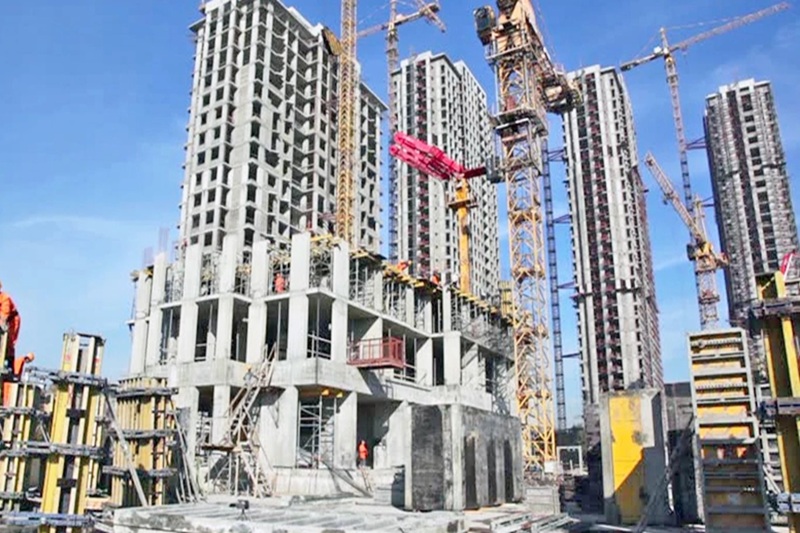
(C): X
The issue of worker safety is getting a new focus as temperatures reach the roof in the UAE in 2026, particularly in such an emirate as Ras Al Khaimah, where construction and outdoor labour are still rather intensive. The query that is reemerging this summer is whether outdoor work bans are being observed.
The Law Is Clear
The UAE has a long-standing policy of a midday break, which is part of its occupational heat protection policy, and according to this policy, no outdoor work is allowed between 12.30 PM and 3:00 PM during the period between June 15 and September 15.
The rule is applicable in every emirate, and it is aimed at ensuring that the workers are not subjected to excessive heat that may reach up to 45–50°C during summer seasons.
Employers are also required to provide:
- Shaded rest areas
- Cooling equipment
- Drinking water and first aid
Violations can result in fines of up to AED 5,000 per worker.
High Compliance—On Paper
According to official statistics of the Ministry of Human Resources and Emiratisation, there is high compliance. By 2025, the compliance was approximately 99 after thorough checks at the worksites.
Law enforcement agencies periodically pay visits to the site and invite the community to report violations to the hotlines and apps.
On paper, the system works.
The Ground Reality Question
However, each summer, the issues recur again, especially in fast-growing areas such as Ras Al Khaimah. Workers and observers are likely to report:
- Continued activity during limited hours.
- Frequently, they use technical exemptions.
- Stress on the workers to achieve the completion of projects.
Exceptions to the law are permitted to do necessary works like repairing infrastructure or pouring concrete, but permits and safety measures are necessary.
The challenge lies in distinguishing legitimate exemptions from misuse.
Why Heatwaves Are Raising the Stakes
The 2026 heatwave has put the heat on closer. As the climate patterns are forcing the temperatures to rise and increase in length, the risk of heat exhaustion, dehydration, and even death increases.
This renders implementation not only legislation but the most important point.
Experts state that the UAE has one of the most organised heat protection systems in the region, but the regularity of its implementation is a priority, particularly in smaller or remote workplaces.
A Broader Labour Debate
The situation in Ras Al Khaimah reflects a wider Gulf conversation about:
- Worker rights vs construction demand
- Climate change and labour safety
- Accountability in subcontracting chains
As infrastructure growth accelerates, so does the pressure on outdoor labour—making compliance harder to monitor in real time.
Final Thoughts
The UAE’s midday work ban is widely regarded as a strong labour protection policy. But during extreme heatwaves like in 2026, its effectiveness depends on strict, visible enforcement.
In places like Ras Al Khaimah, the question is no longer whether the rules exist—but whether they are consistently followed when it matters most.
https://www.instagram.com/reel/DWbLpUiMwg0/
FAQs
1. What is the UAE midday work ban?
It prohibits outdoor work under direct sunlight from 12:30 PM to 3:00 PM between June 15 and September 15.
2. Does the rule apply in Ras Al Khaimah?
Yes, it applies across all emirates in the UAE.
3. Are there exceptions to the ban?
Yes, certain essential or technical tasks can continue with approval and safety measures.
4. What happens if companies violate the rule?
They can face fines of up to AED 5,000 per worker and inspections by authorities.
Key Human Rights Insights
How Report Arbitrary Detentions Legally?
Explore steps to inform watchdogs.
Why Legal Equality Progress Stalling?
Discover findings from UN report.
Which Internships Available Hague Students?
Check top programs for experience.