khushboo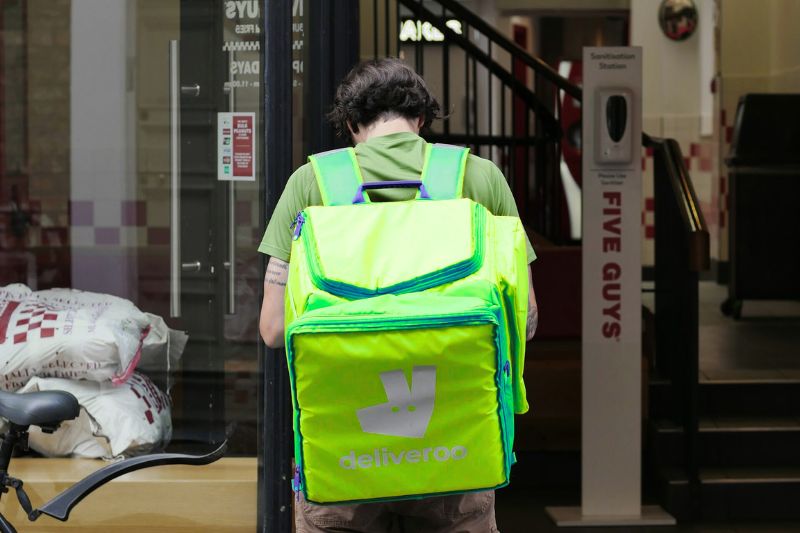
(C): Unsplash
The high growth of the digital platforms has changed how individuals operate, particularly in delivery and ride-hailing services. Millions of people make their living now by means of apps that guarantee freedom and flexibility. Nevertheless, job security, remuneration, and social protection are also another issue of serious concern with this new model. The Platform Workers’ Rights are now a major concern among policy makers, businesses and trade unions in every part of the world. With governments discussing the rules and courts renegotiating the nature of the employment relations, it is vital to know the rights of the app-based workers. This paper will discuss the issues associated with gig workers, the changing legal environment, and what should be done to guarantee the dignity and equity of platform-based work.
The Rise of Platform-Based Work
Ride-hailing and food delivery applications have also established unheard-of possibilities to earn income. Uber, Lyft, DoorDash, and others are platforms that make workers use technology to directly work with customers. Although the model lowers the barrier to entry, it tends to categorise the workers as independent contractors and restricts them to benefits that are normally related to work. Such categorization has led to controversies in the worldwide context in regards to Platform Workers’ Rights and the suitability of current labor legislation to the digital era.
Read more: Gig Workers’ Rights in India: Social Security, Platform Duties, and 2025 Updates
Key Challenges Faced by Platform Workers
Income instability is one of the most topical problems. The changes in earnings per day may occur because of algorithmic pricing, demand fluctuations, and incentive systems. Moreover, a good number of employees do not have health or paid leaves or retirement benefits. The problem of safety, particularly concerning a commitment of ride-hailing drivers and delivery apps couriers makes working conditions even more problematic. In the absence of open grievance processes, employees usually are helpless against automatic procedures that have the ability to shut down the accounts without giving a clear reason.
Global Legal and Policy Developments
Achieving worker protection gaps is on the rise in countries. Other jurisdictions have also come up with the hybrid forms of employment, which provide few benefits but still maintain flexibility. The courts of various areas have decided that platform workers should have minimum wages and be available to social security. The focus of these reforms is to enhance Platform Workers’ Rights and create a balance between innovation and economic growth. Nevertheless, the enforcement is still not uniform in markets.
Role of Platforms and Collective Action
There is increasing pressure on technology companies to embrace fair labor practices. Such voluntary practices as insurance cover, minimum wage, and more understandable contracts are being introduced. Meanwhile, the union and association of workers are on the rise, and they insist on the just treatment of the workers in delivery apps and ride-hailing services. The collective bargaining including the unconventional forms is becoming essential in determining the improved outcomes.
The Way Forward
The governments, platforms, and workers have to work together to ensure sustainable gig work. More egalitarian algorithms, equal pay criteria, and availability of social safeguards can make the ecosystem a fairer place. The emphasis of Making Platform Workers’ Rights Stronger is not only a labor concern, but also the key to the sustainability and reliability of the digital economy in the long term.
Disclaimer: Stay informed on human rights and the real stories behind laws and global decisions. Follow updates on labour rights and everyday workplace realities. Learn about the experiences of migrant workers, and explore thoughtful conversations on work-life balance and fair, humane ways of working.