khushboo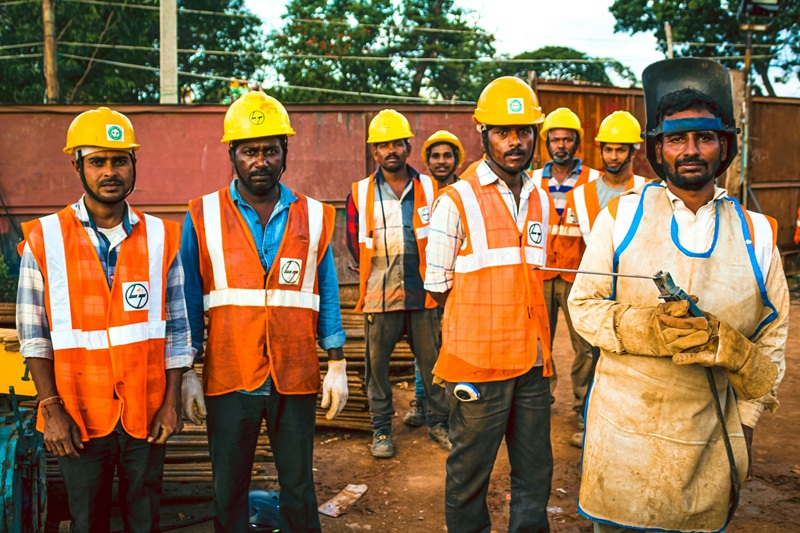
(C): Unsplash
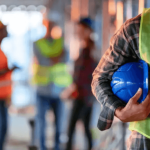
You can hear the factory before you see it. Metal clanking. Fans humming. A smell of oil mixed with fabric dust. Workers don’t talk much; there’s no time. One wrong move, the line stops. Most people never meet the ones making their clothes, phones, or food. But somewhere, in small offices and crowded rooms, NGOs are fighting for them. They file cases, translate contracts, visit worksites where no journalist ever goes.
Reports like Exploring 10 Reasons Why Human Rights Are Important and Top Human Rights Organizations in the World remind us that fair wages and safety aren’t luxuries — they’re rights. These 20 organizations prove that labor justice isn’t theory. It’s work done quietly, every single day.
Global NGOs Defending Worker Rights (Overview Table)
| NGO Name | Region / Reach | Main Focus |
| Global Labor Justice | Global | Migrant and gender labor support |
| International Labor Rights Forum | Global | Corporate accountability |
| Solidarity Center | 70+ Countries | Union and training programs |
| Worker Rights Consortium | Global | Factory audits |
| Clean Clothes Campaign | Europe, Asia | Garment safety |
| Verité | Global | Ethical supply chains |
| Anti-Slavery International | Global | Forced labor action |
| Electronics Watch | Global | Supplier monitoring |
| Business & Human Rights Resource Centre | Global | Labor transparency |
| International Domestic Workers Federation | Global | Domestic worker rights |
| Asia Floor Wage Alliance | Asia | Wage advocacy |
| ITUC | Global | Union collaboration |
| Coalition of Immokalee Workers | USA | Farmworker rights |
| International Cocoa Initiative | Africa | Child labor prevention |
| ActionAid | Global | Women’s workplace safety |
| SEWA | India | Women worker cooperatives |
| NDWA | USA | Household labor rights |
| Migrant-Rights.org | Gulf | Migrant protection |
| Latin American Labor NGOs | Latin America | Worker education |
| African Worker Justice Coalitions | Africa | Legal and safety aid |
Top 20 NGOs Championing Worker Rights Globally in 2025
Picture a tailor in Dhaka stitching clothes for brands she’ll never wear. Or a farmer in Florida who picks tomatoes under the heat, then sleeps in shared quarters. These are the people these NGOs stand for.
1. Global Labor Justice
Supports migrant and women workers facing withheld pay and unsafe housing.
2. International Labor Rights Forum
Pressures global brands to follow fair-work standards.
3. Solidarity Center
Helps local unions fight for contracts and safety measures.
4. Worker Rights Consortium
Inspects factories and reports violations without sugarcoating.
5. Clean Clothes Campaign
Pushes fashion companies to pay fair wages and prevent accidents.
6. Verité
Tracks down forced labor in supply chains — quietly, with data and witnesses.
7. Anti-Slavery International
One of the oldest groups tackling modern-day slavery.
8. Electronics Watch
Audits electronics plants where safety often comes last.
9. Business & Human Rights Resource Centre
Publishes verified reports on global worker exploitation.
10. International Domestic Workers Federation
Secures recognition, rest days, and fair pay for domestic workers.
11. Asia Floor Wage Alliance
Builds a single wage demand across borders in Asia’s garment hubs.
12. ITUC
Unites trade unions from hundreds of nations for shared labor reform.
13. Coalition of Immokalee Workers
Improved pay and conditions for U.S. farmworkers through collective bargaining.
14. International Cocoa Initiative
Fights child labor across West Africa’s cocoa farms.
15. ActionAid
Defends women laborers from workplace violence and unpaid labor.
16. SEWA
Trains India’s self-employed women to manage cooperatives and savings.
17. NDWA
Helps domestic workers in the U.S. earn contracts and healthcare.
18. Migrant-Rights.org
Documents migrant worker abuse in the Gulf, one story at a time.
19. Latin American Labor NGOs
Run local workshops on worker laws and rights.
20. African Worker Justice Coalitions
Provide free legal aid and medical help to injured factory workers.
Shifting Ground: The Global Push for Fair Work
Progress is quiet. You see it in a payslip printed instead of handwritten. A safety harness where there used to be rope. A day off that used to be just talk.
These NGOs don’t wait for spotlight moments. They work late, take buses to remote towns, and keep calling when ministries stop replying. Every helmet, every contract signed — it all counts. Fair work isn’t charity. It’s balance being restored, inch by inch.
FAQs
Why do NGOs matter for worker rights?
They speak up where workers can’t and push for laws that protect them.
Which industries face the most exploitation?
Garment, construction, and agriculture — the jobs people depend on most.
How do NGOs make change happen?
By collecting proof, training workers, and holding companies accountable.
Where is progress visible?
Asia and Africa, where awareness and reporting keep growing.
How can people help?
Buy fair-trade products, support verified NGOs, and share worker stories responsibly.